The “100 Deadliest Days”: Why Summer - and the Fourth of July - Are the Most Dangerous Time on California Roads

The stretch between Memorial Day and Labor Day should be the best part of the year - road trips, long weekends, and time with family. For drivers in California, it is also the deadliest. Safety researchers call it the “100 Deadliest Days,” and the crash data behind that name is sobering. Understanding why the risk climbs each summer - and what raises it most - can help you and the people you love get home safely.
What the “100 Deadliest Days” Actually Means
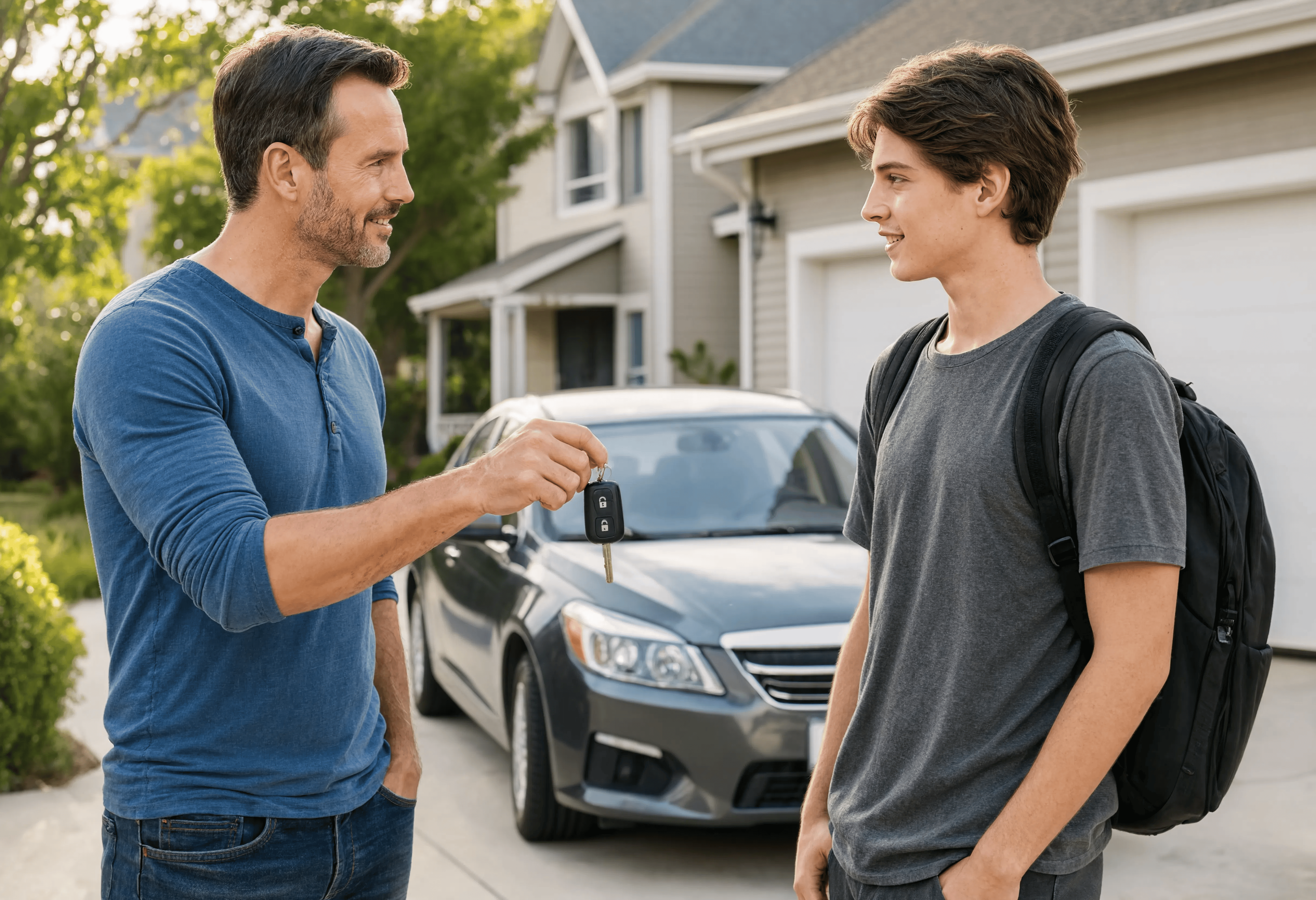
Auto-safety group AAA labels the roughly 100 days between Memorial Day and Labor Day the “100 Deadliest Days” for a simple reason: a disproportionate share of fatal crashes involving teen drivers happens during this window. On an average summer day, more people are killed in teen-involved crashes than on a typical day the rest of the year.
Why the Fourth of July Stands Out
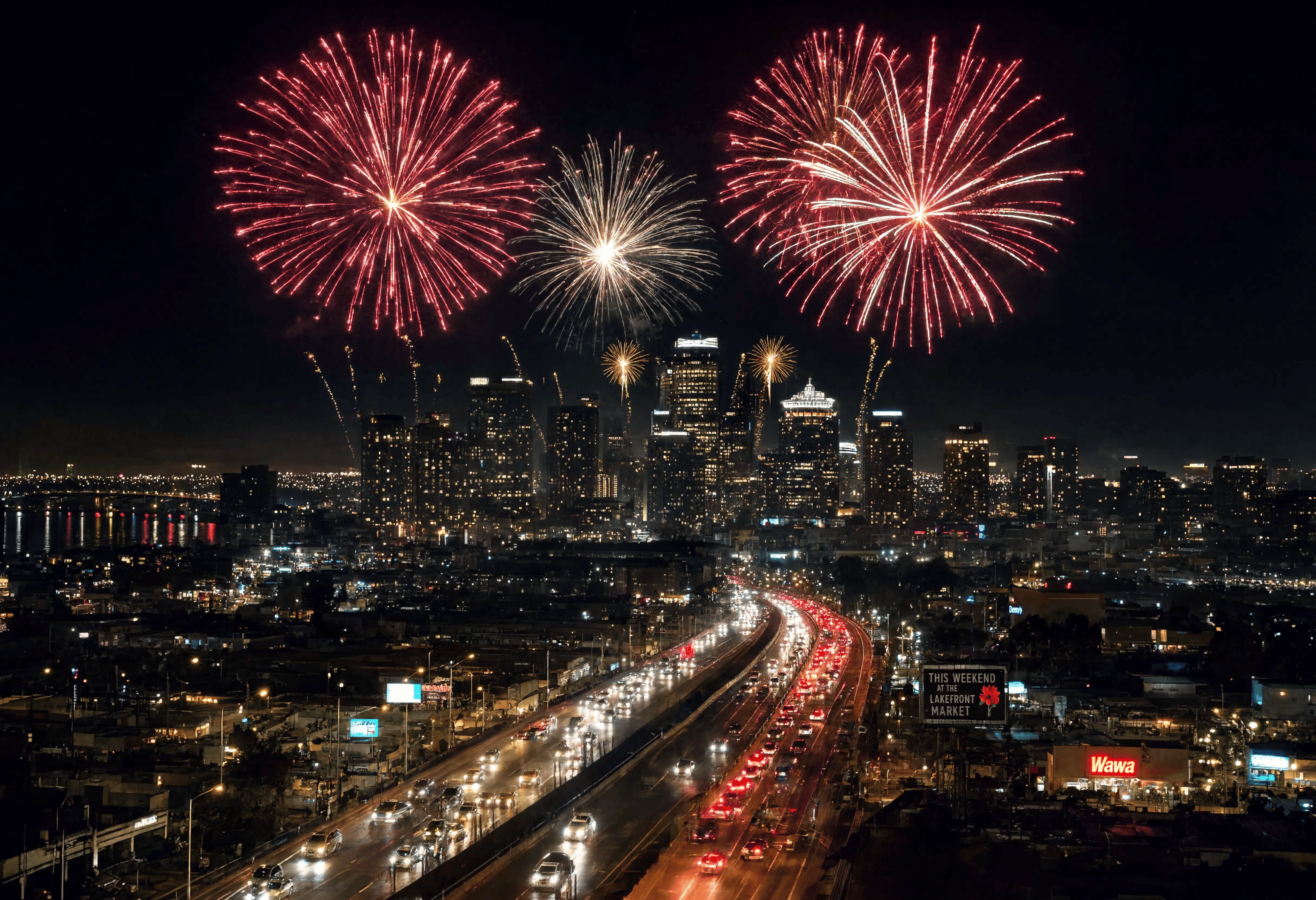
Within that summer window, one date consistently ranks as the single most dangerous day to drive in America: the Fourth of July. Federal crash researchers have found the holiday averages around 145 traffic deaths a year - more than any other date on the calendar.
The common thread is alcohol. Nationally, close to four in ten traffic deaths over the Independence Day period involve an impaired driver. Add record travel volumes, late-night drives home after fireworks, and crowded roads, and a short holiday becomes a high-risk burst.
The California-Specific Picture
Where you drive matters as much as when. In and around Los Angeles, the I-405, US-101, and I-10 corridors are among the most crash-prone, and Interstate 5 ranks among the deadliest freeways in the country.
California is also unusual in that its deadliest hour tends to fall at night - roughly 9 to 10 p.m. - rather than during evening rush hour, because after dark speeds rise and impairment increases. Expect stepped-up DUI checkpoints and patrols around the holiday, a reminder that impaired driving carries steep legal and financial consequences on top of the danger it creates.
How to Lower Your Risk This Summer
If the worst happens and you or someone you love is hurt by a drunk, distracted, or reckless driver this summer, you don’t have to face the aftermath alone. The team at Pogosyan Law offers a free, no-obligation consultation to help you understand your options.
Get a Free Consultation with Pogosyan Law
Car Accident Injury Attorneys in Glendale
Hit by an Uninsured or Underinsured Driver? Know Your Rights
AAA Foundation for Traffic Safety
California Office of Traffic Safety (OTS)
Call (818) 243-3900 or email info@pogosyanlaw.com - 500 N. Brand Blvd, Suite 830, Glendale, CA 91203.
Disclaimer: This article is general information about California law, not legal advice, and does not create an attorney-client relationship. Laws change and every case is different - for guidance on your situation, consult a licensed attorney. Past results do not guarantee future outcomes.