Glendale Premises Liability Attorneys
Holding Property Owners Accountable for Dangerous Conditions
Property owners in California have a legal duty to keep their premises safe. When they fail to repair hazards, warn visitors, or provide adequate security, serious injuries can occur. If you were hurt on someone else’s property, a skilled Glendale premises liability attorney can help you pursue compensation for medical bills, lost wages, pain and suffering, and other damages.
Common Dangerous Premises Claims We Handle
Pogosyan Law represents clients injured by a wide range of unsafe property conditions, including:
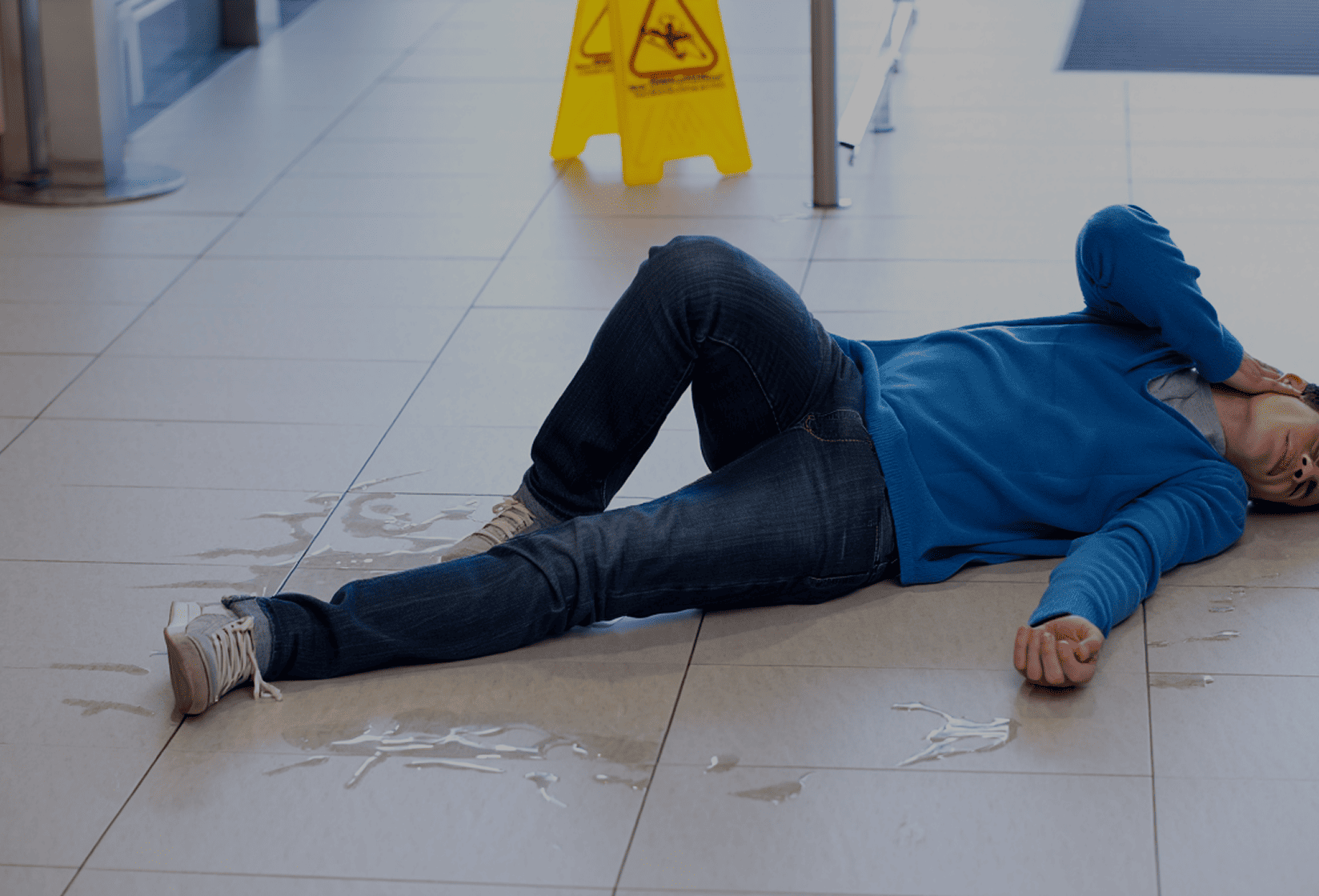
Slip and fall and trip and fall accidents
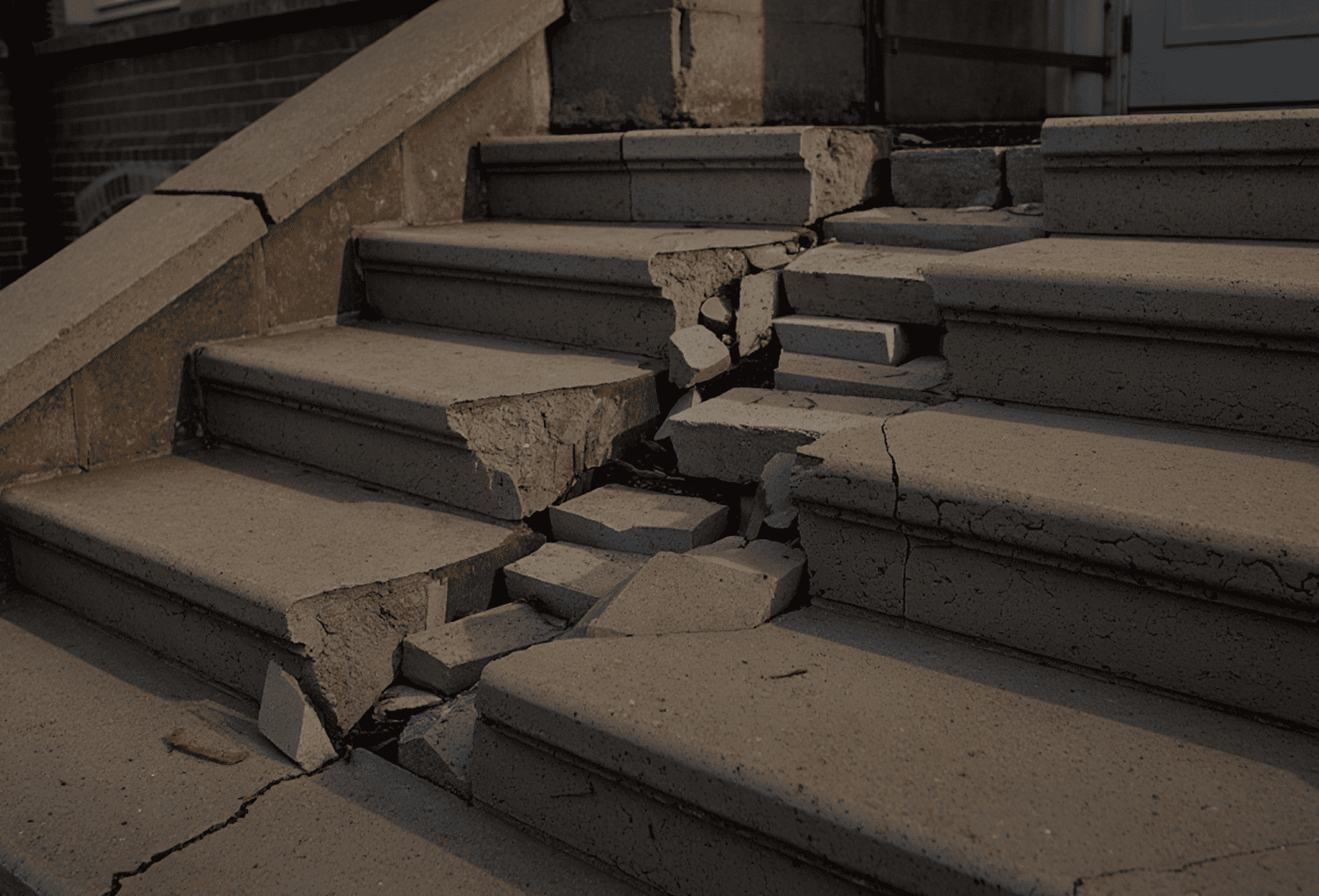
Broken or uneven stairs and walkways
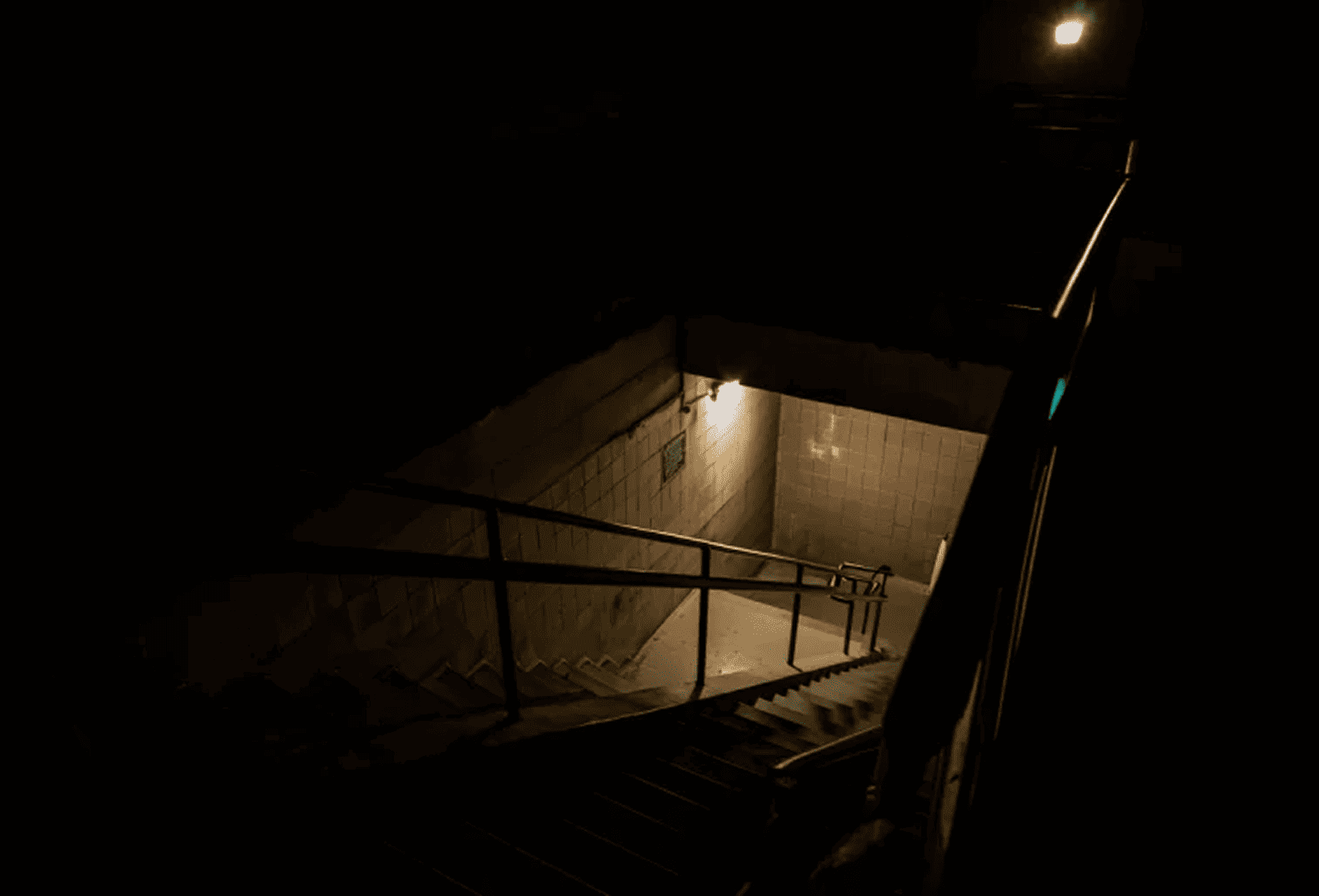
Poor lighting in parking lots or stairwells
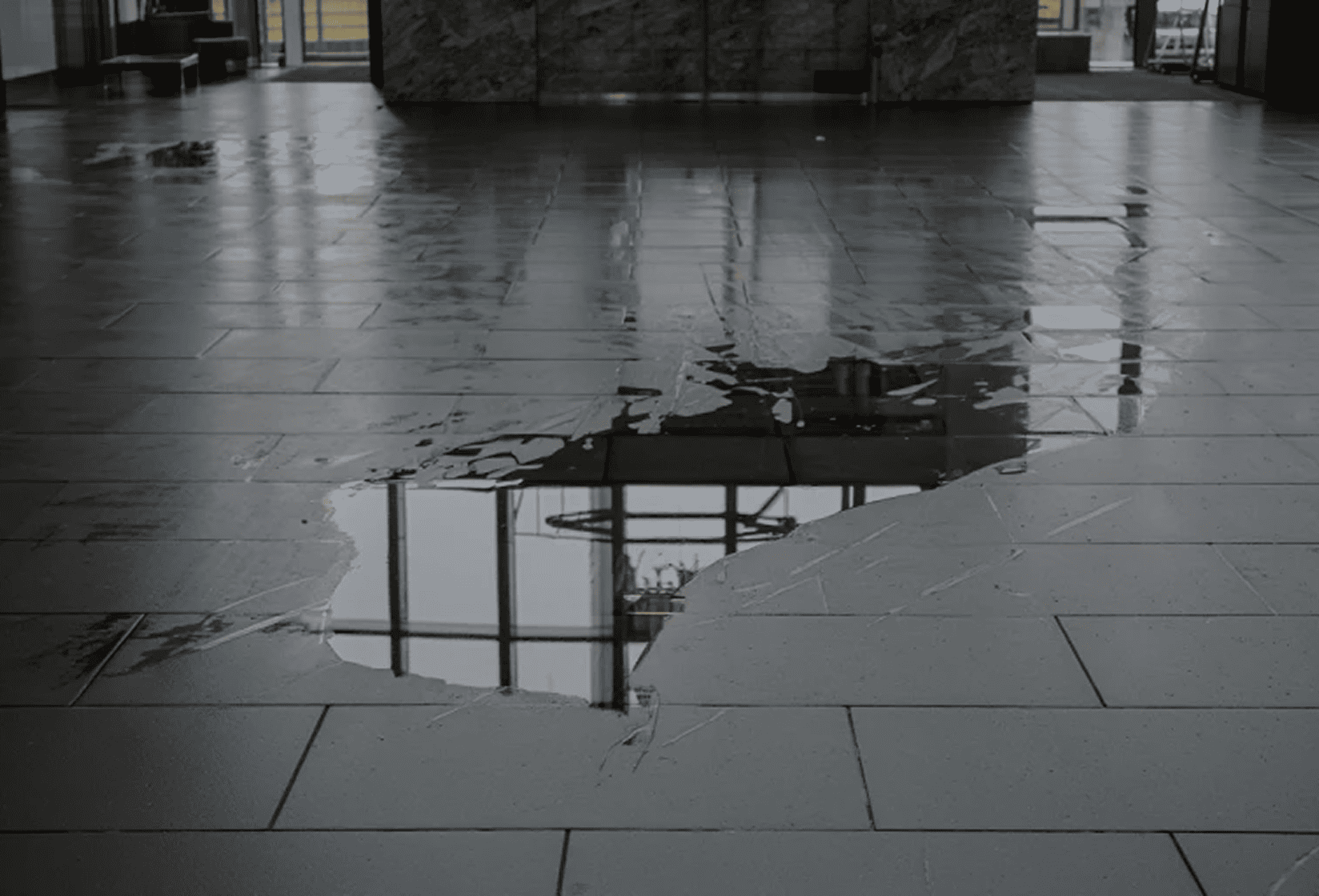
Wet floors with no warning signs
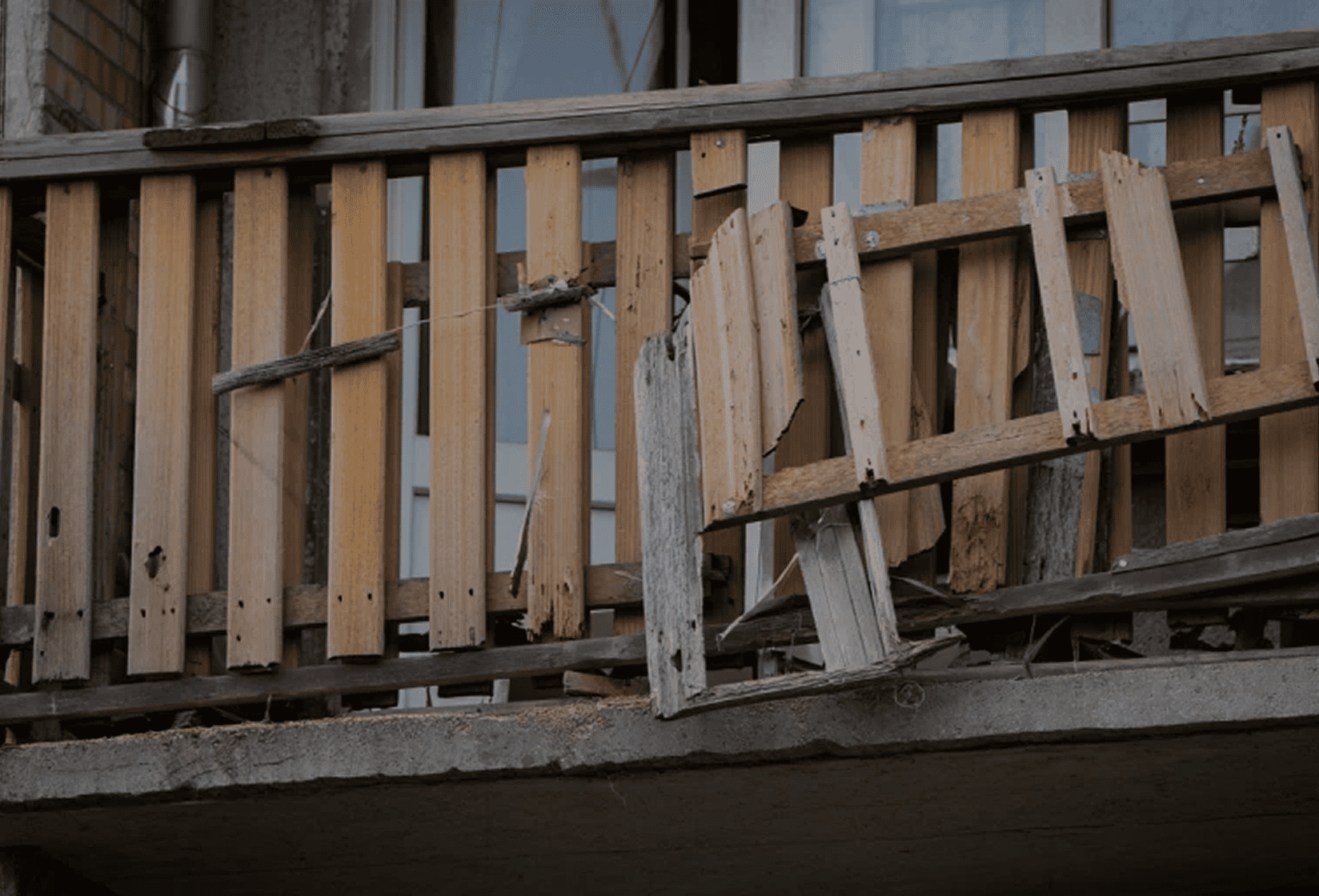
Defective railings or balconies
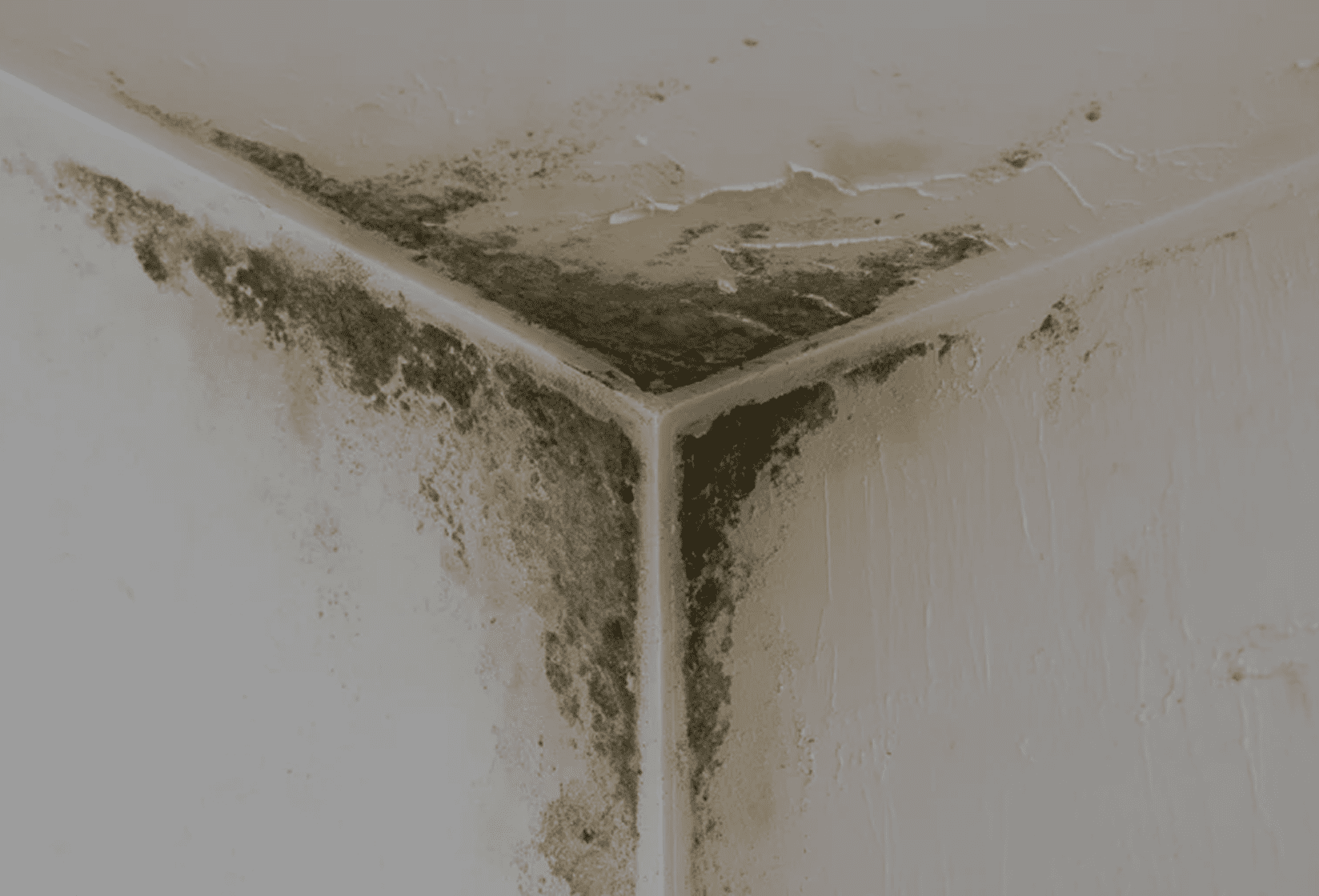
Toxic mold and unsafe living conditions
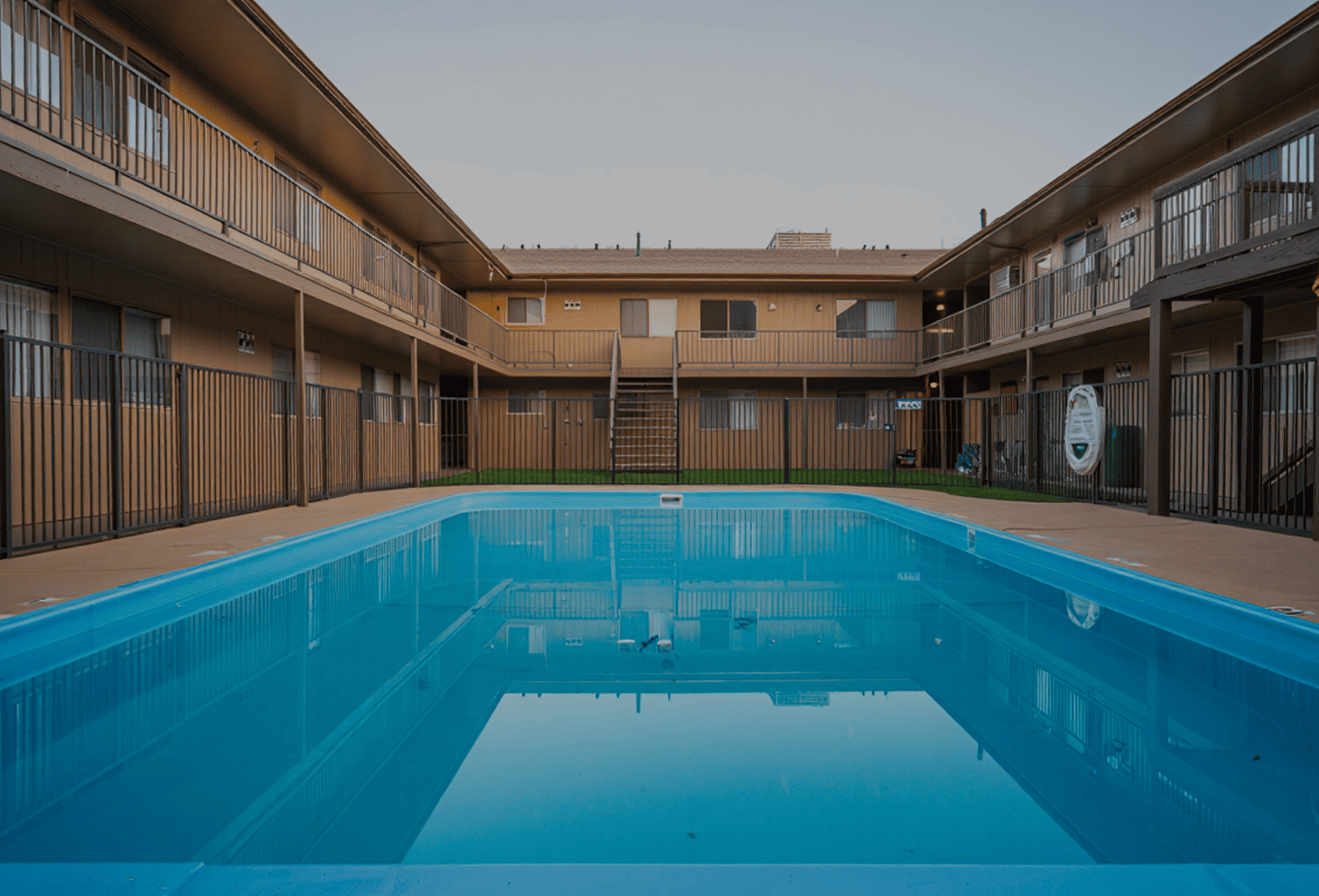
Unsecured swimming pools
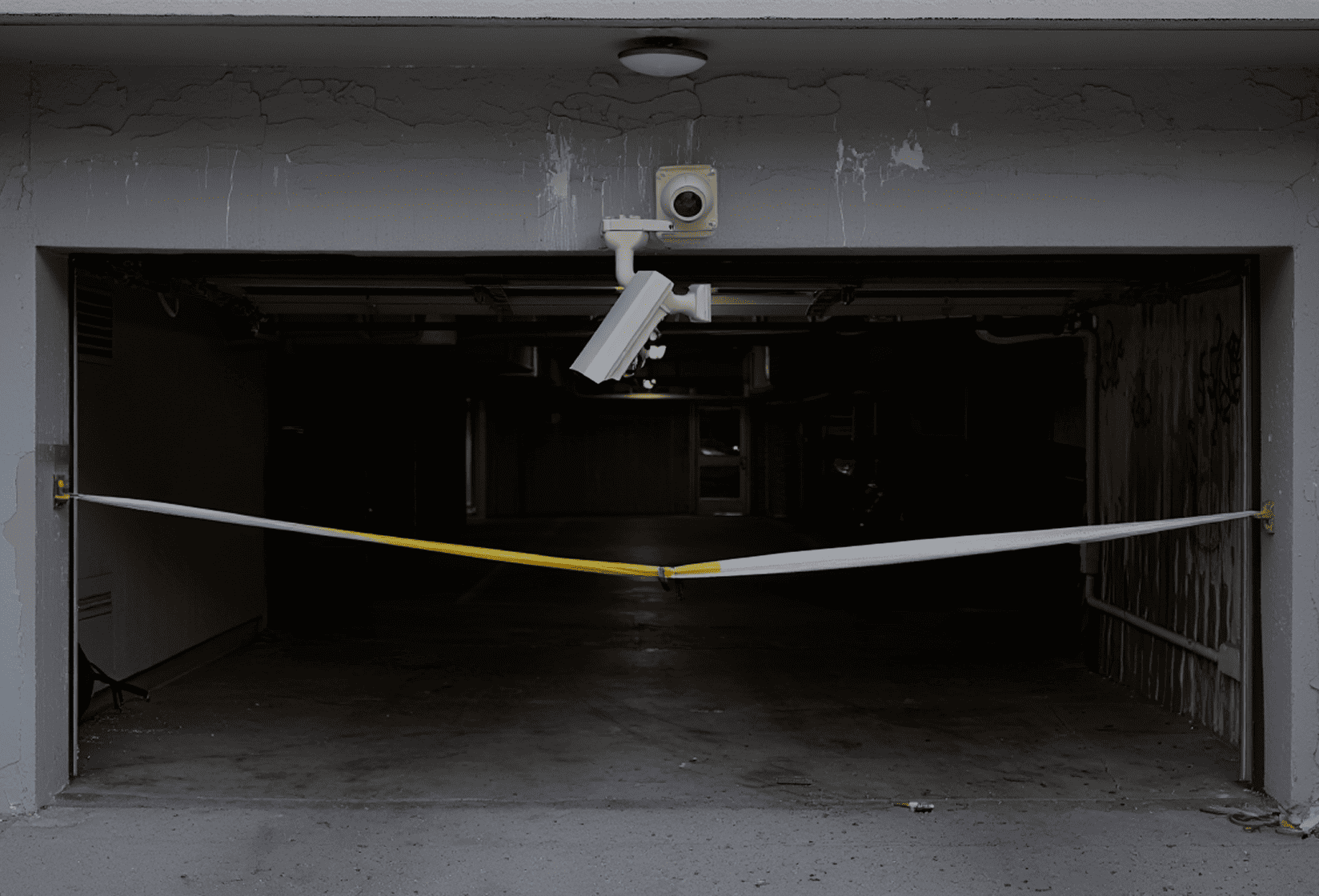
Negligent security leading to assaults or attacks
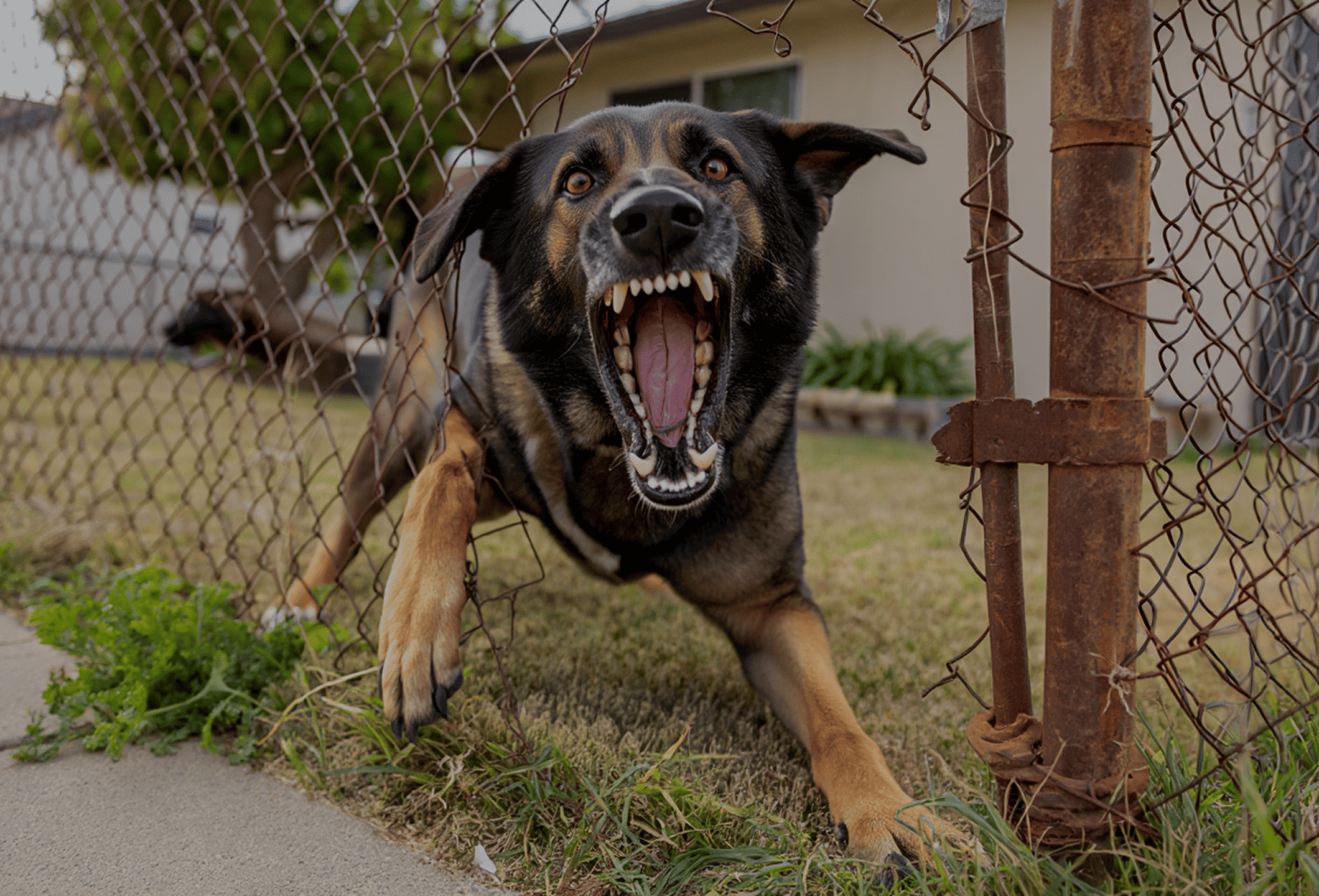
Dog bites and animal attacks

No matter where your injury occurred, we work to prove negligence and pursue full compensation. We investigate aggressively, negotiate forcefully, and are prepared to take your case to court when necessary

Understanding Premises Liability Law in California.
Premises liability law holds property owners and occupiers responsible for maintaining reasonably safe conditions. This duty applies to commercial properties, residential rentals, apartment complexes, public buildings, and private homes. To succeed in a premises liability claim, we must generally prove that:
- A dangerous condition existed on the property
- The owner knew or should have known about the hazard
- The owner failed to repair or warn about the danger
- The condition directly caused your injuries
Our Glendale premises liability lawyers evaluate how these legal standards apply to your case and identify all responsible parties
Premises liability injuries often result from
Premises liability injuries often result from:
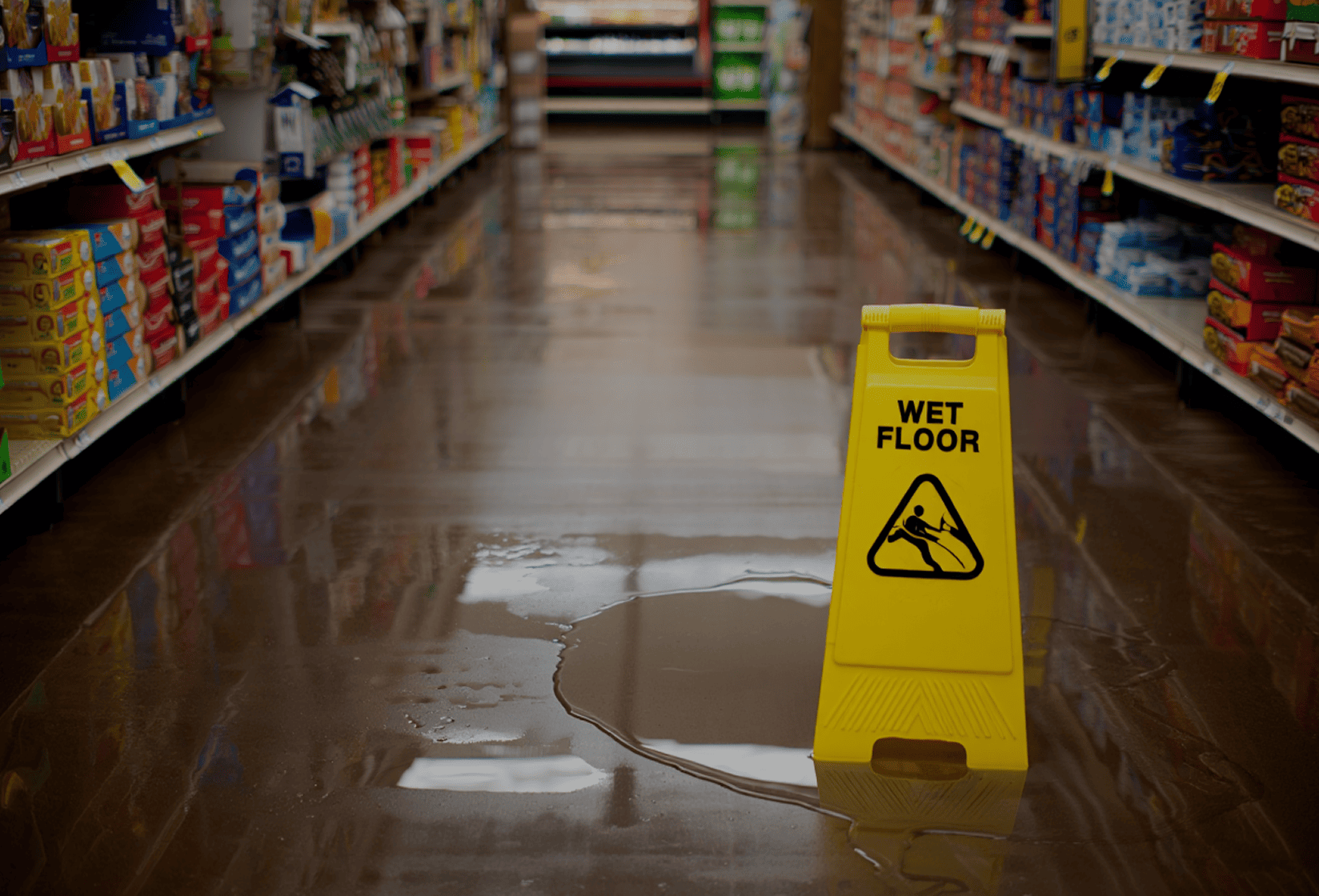
Slipping on wet or greasy surfaces
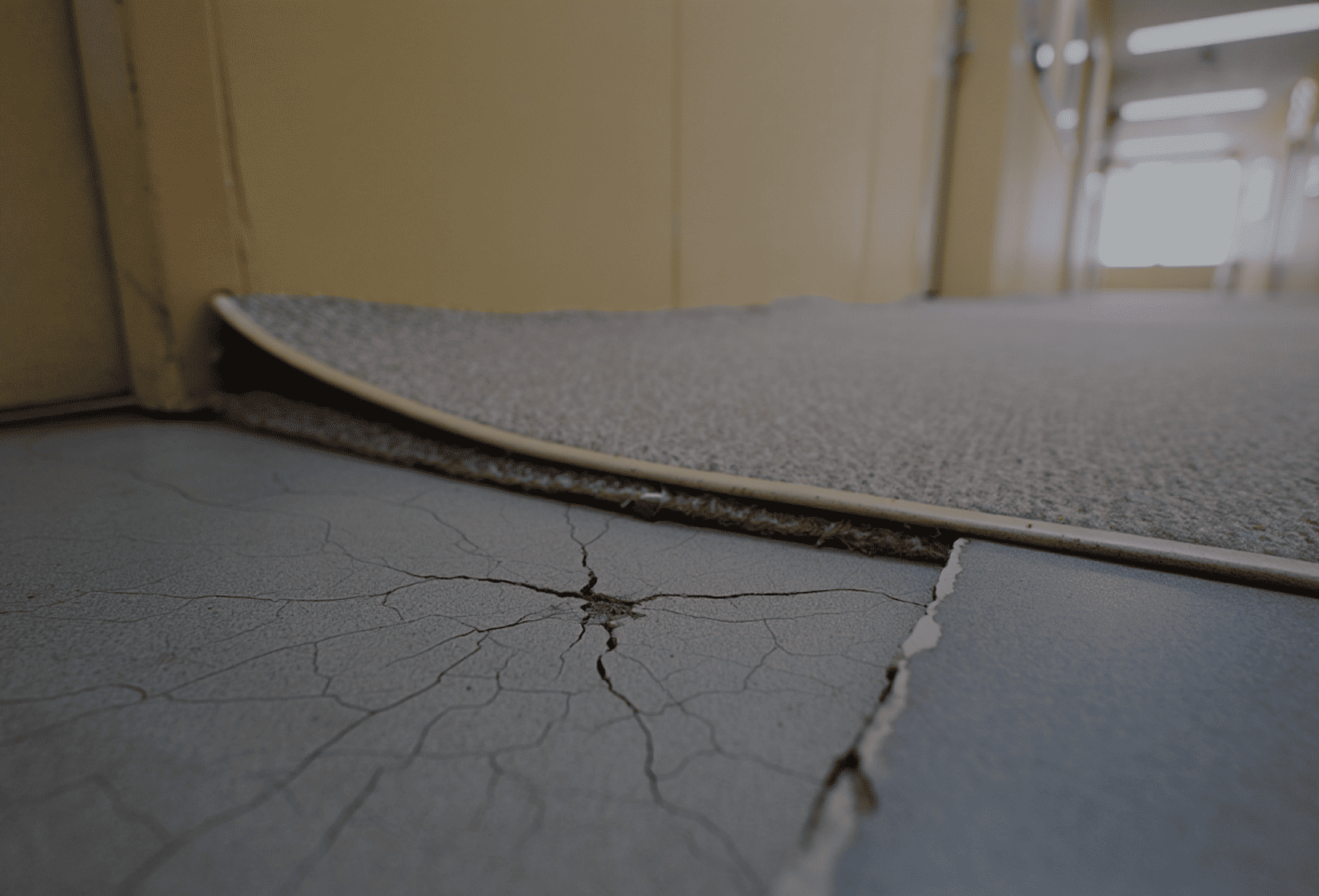
Tripping over uneven flooring or loose carpeting
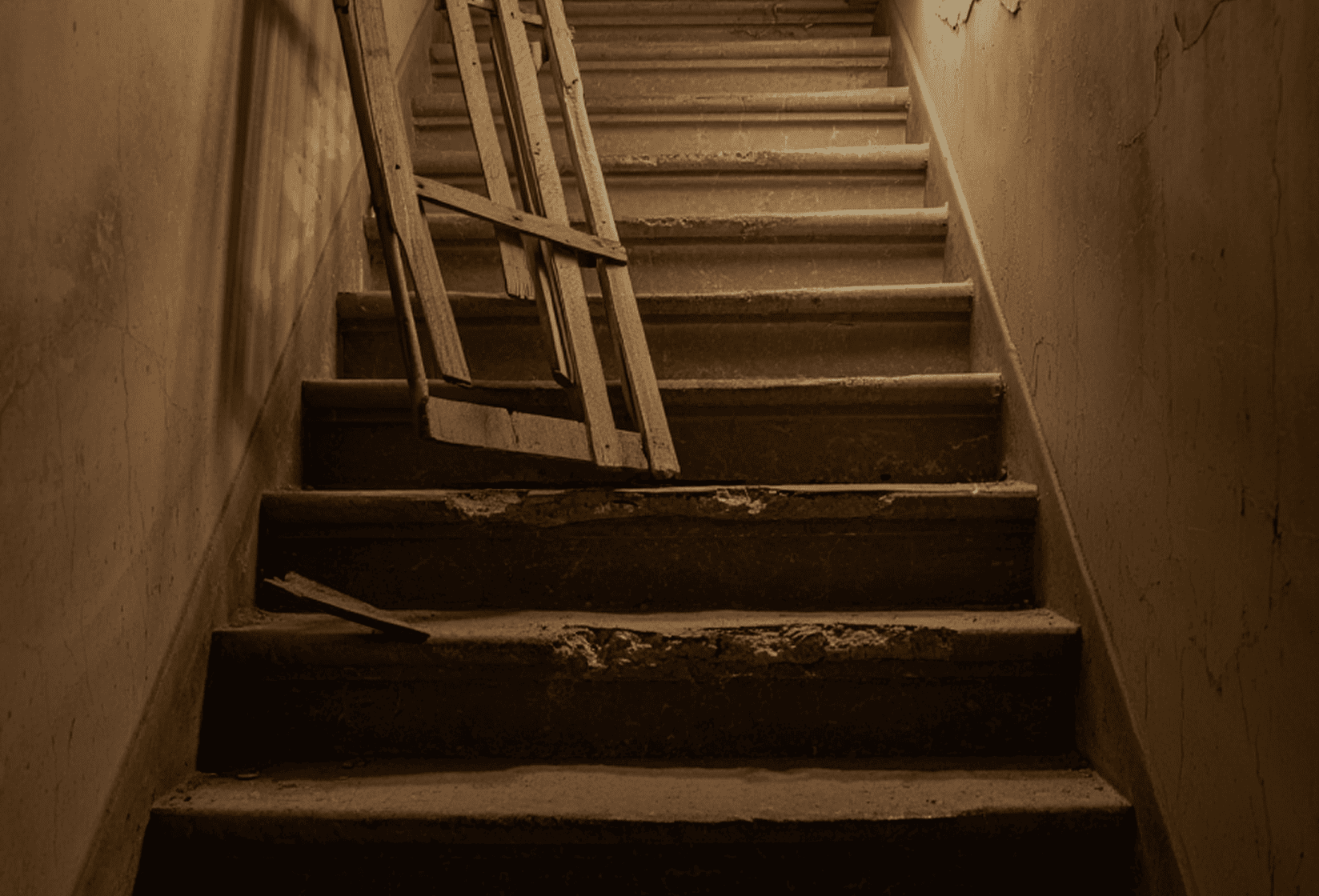
Falling from stairs, balconies, or elevated platforms
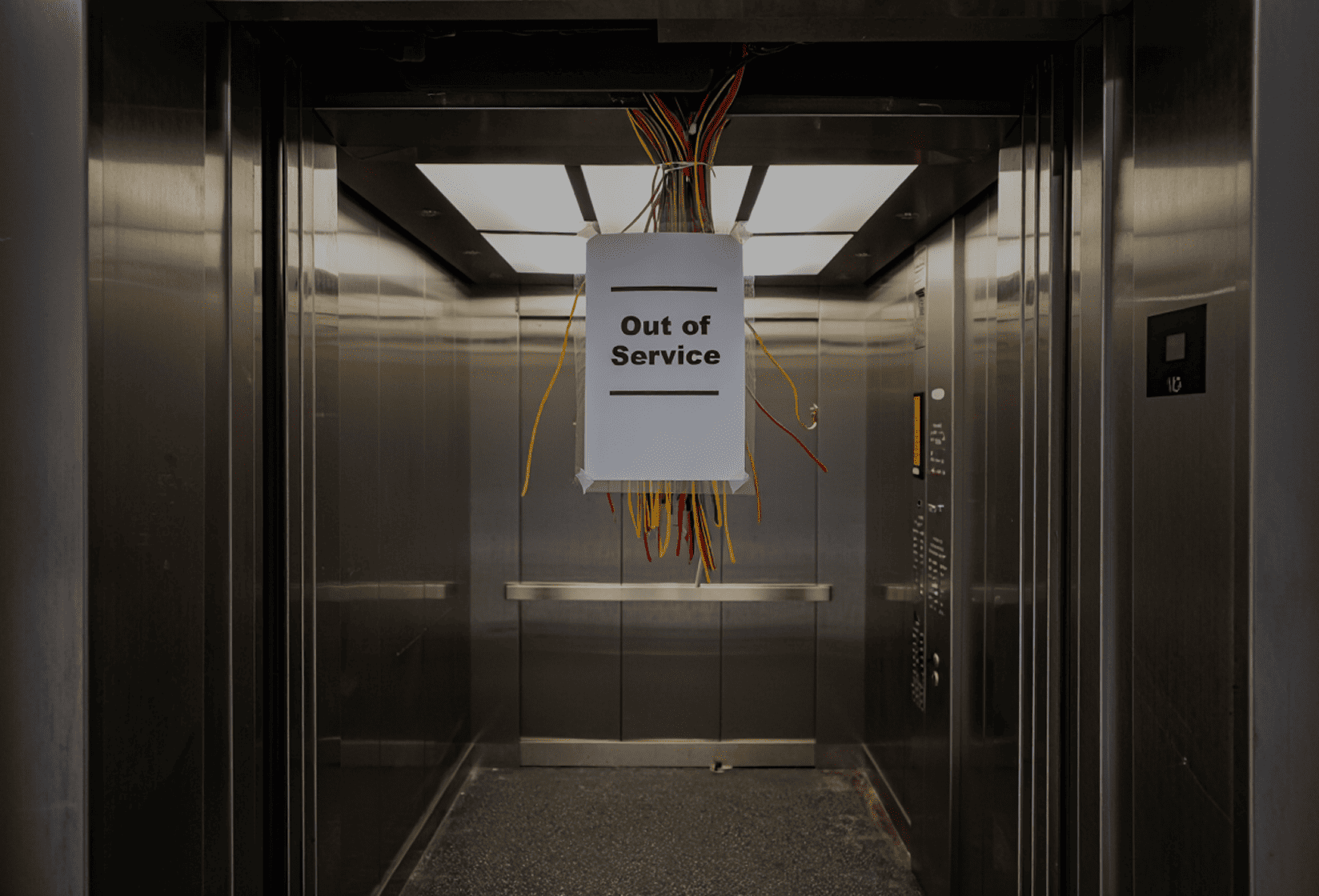
Elevator or escalator malfunctions
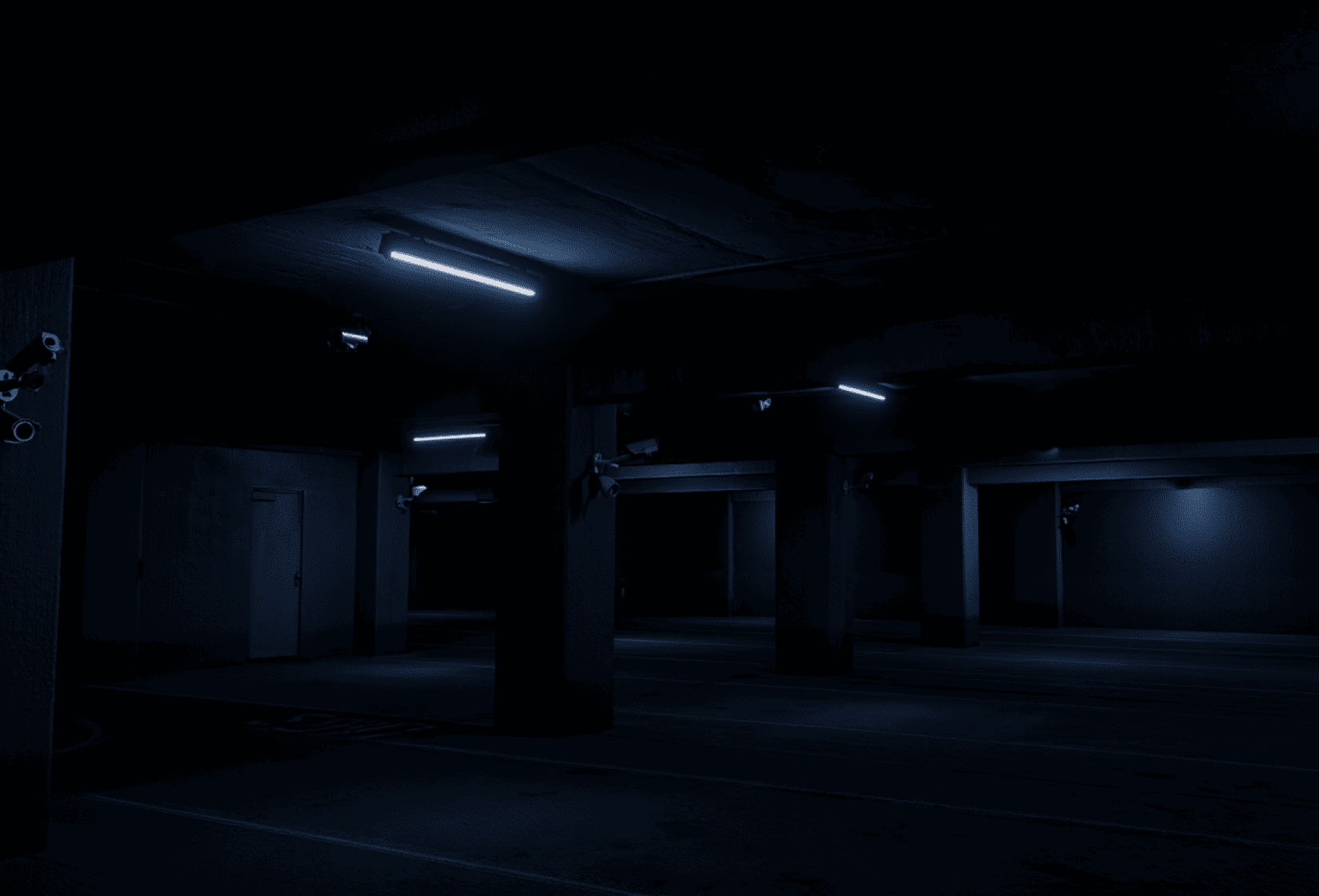
Attacks due to inadequate security
These accidents can cause head injuries, broken bones, spinal injuries, soft-tissue damage, and long-term disability. We ensure your injuries are fully documented and valued.
What to Do After an Injury on Someone Else’s Property
Taking the right actions after a truck accident can significantly impact your claim:
Call 911
Report the accident and request an official police report.
Document the scene
Take photos, videos, and collect witness contact info.
Notify your insurance company
Report the accident without admitting fault.
Contact a car accident lawyer
Legal guidance is crucial to securing fair compensation.
Property Owner Responsibilities Under California Law
Invitees (customers, tenants):
highest duty of care
Licensees (social guests):
duty to warn of known hazards
Trespassers:
limited duty, with exceptions
Our attorneys determine how these classifications apply and show where the owner failed to meet their legal obligations.

Compensation Available in Premises Liability Cases
If you were injured due to unsafe property conditions, you may be entitled to compensation for
- Medical expenses (current and future)
- Lost wages and reduced earning capacity
- Pain and suffering
- Emotional distress
- Rehabilitation and long-term care
- Wrongful death damages (in fatal cases)
We fight to recover the maximum compensation allowed under California law.
Types of Properties Involved in Premises Liability Cases
Dangerous conditions can exist on many types of properties, such as
Grocery stores and shopping centers
Apartment buildings and rental homes
Government or municipal properties
Office buildings and warehouses
Construction sites
Hotels and restaurants
Each type of property is subject to different safety rules and inspection requirements. Our attorneys analyze maintenance records, building codes, and prior complaints to establish liability.
01
What qualifies as a dangerous condition on a property?
A dangerous condition is any hazard that creates an unreasonable risk of injury, such as wet floors, broken stairs, poor lighting, uneven walkways, unsafe balconies, or lack of proper security. If the property owner knew or should have known about the hazard and failed to fix or warn about it, they may be legally responsible.
02
Do I have a case if there were no warning signs posted?
Yes. Property owners have a duty to warn visitors of known dangers. If there were no cones, signs, or barriers around a hazardous condition, this may indicate negligence and strengthen your premises liability claim.
03
Can I still file a claim if the property owner says they didn’t know about the hazard?
Yes. Under California law, owners can be liable if they should have known about the dangerous condition through reasonable inspections or maintenance. Long-standing or recurring hazards often support these claims.
04
What if I was injured on a rental property or apartment complex?
Landlords and property managers are responsible for maintaining safe common areas and repairing known hazards. If your injury resulted from poor maintenance or unsafe conditions, you may have a valid premises liability claim.
05
What if I was partially at fault for my accident?
California follows a pure comparative negligence rule. This means you can still recover compensation even if you were partially at fault, though your recovery will be reduced by your percentage of responsibility.
06
What evidence is important in a premises liability case?
Important evidence includes photos or videos of the hazard, witness statements, incident reports, surveillance footage, medical records, and maintenance logs. Acting quickly helps preserve critical evidence.
07
How long do I have to file a premises liability claim in California?
Most premises liability claims must be filed within two years from the date of injury. If the accident occurred on government property, the deadline may be as short as six months. Missing these deadlines can bar your claim entirely.