Slip and Fall Injuries in California: How to Prove a Property Owner Was at Fault

A slip, trip, or fall can happen in a second - on a wet grocery-store floor, a broken stair, or a poorly lit walkway - and leave you with injuries that last far longer. But a fall alone doesn’t automatically mean someone owes you compensation. In California, the key question is whether a property owner was negligent. Here’s how that’s determined, and what you can do to protect a potential claim.
Premises Liability, in Plain Terms
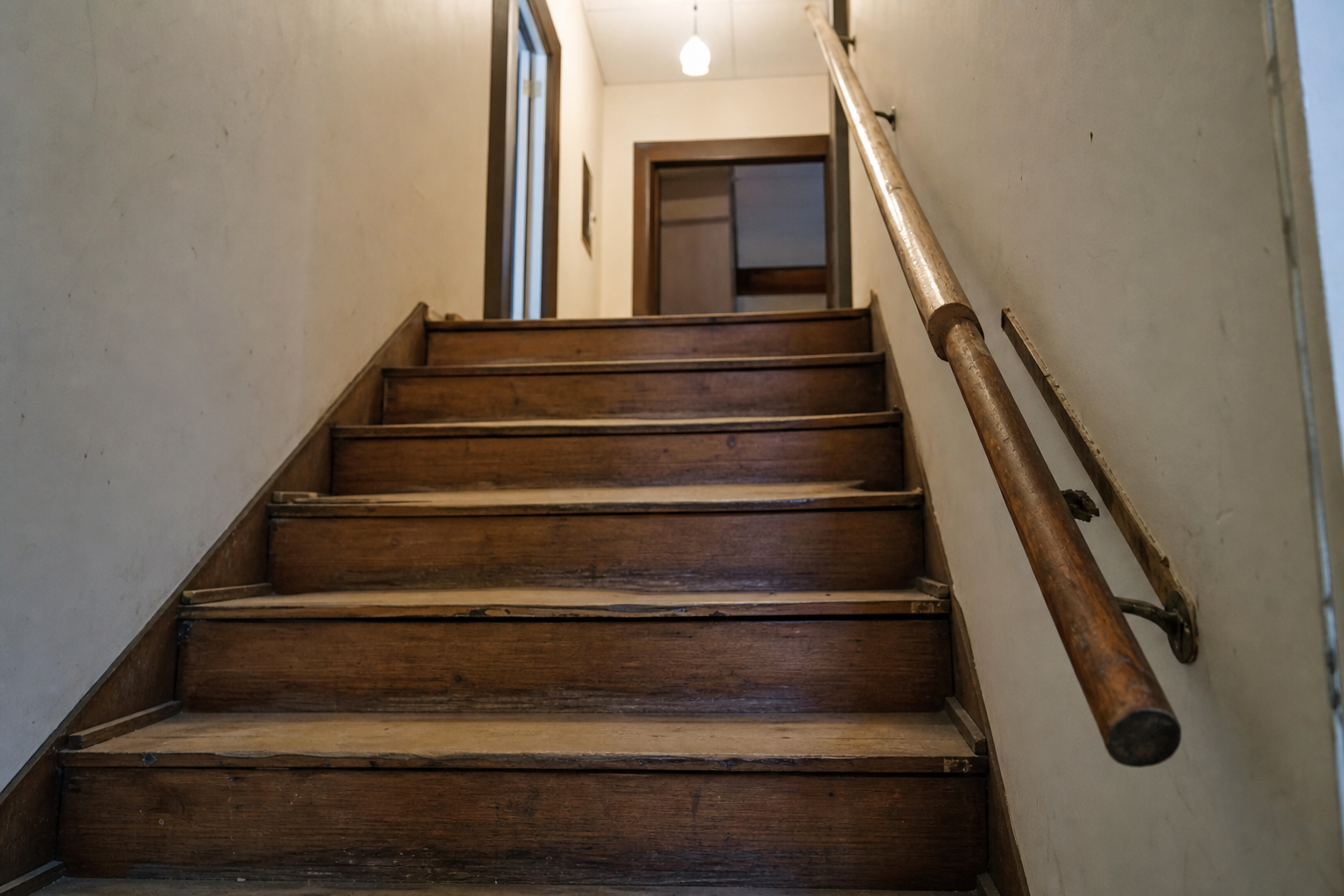
California law requires property owners and occupiers to keep their premises reasonably safe and to warn of hazards they know about - or reasonably should know about.
This duty applies broadly: to stores, restaurants, apartment complexes, offices, parking lots, and private homes. Falling short of that duty, and causing injury as a result, is the heart of a premises liability claim.
What You Actually Have to Prove
To recover for a fall, you generally need to establish four things.
Why “Should Have Known” Often Decides the Case
The third element - called constructive notice - is where many slip-and-fall cases are won or lost. How long was the spill on the floor? Did the business inspect the area regularly, or ignore an obvious hazard for hours?
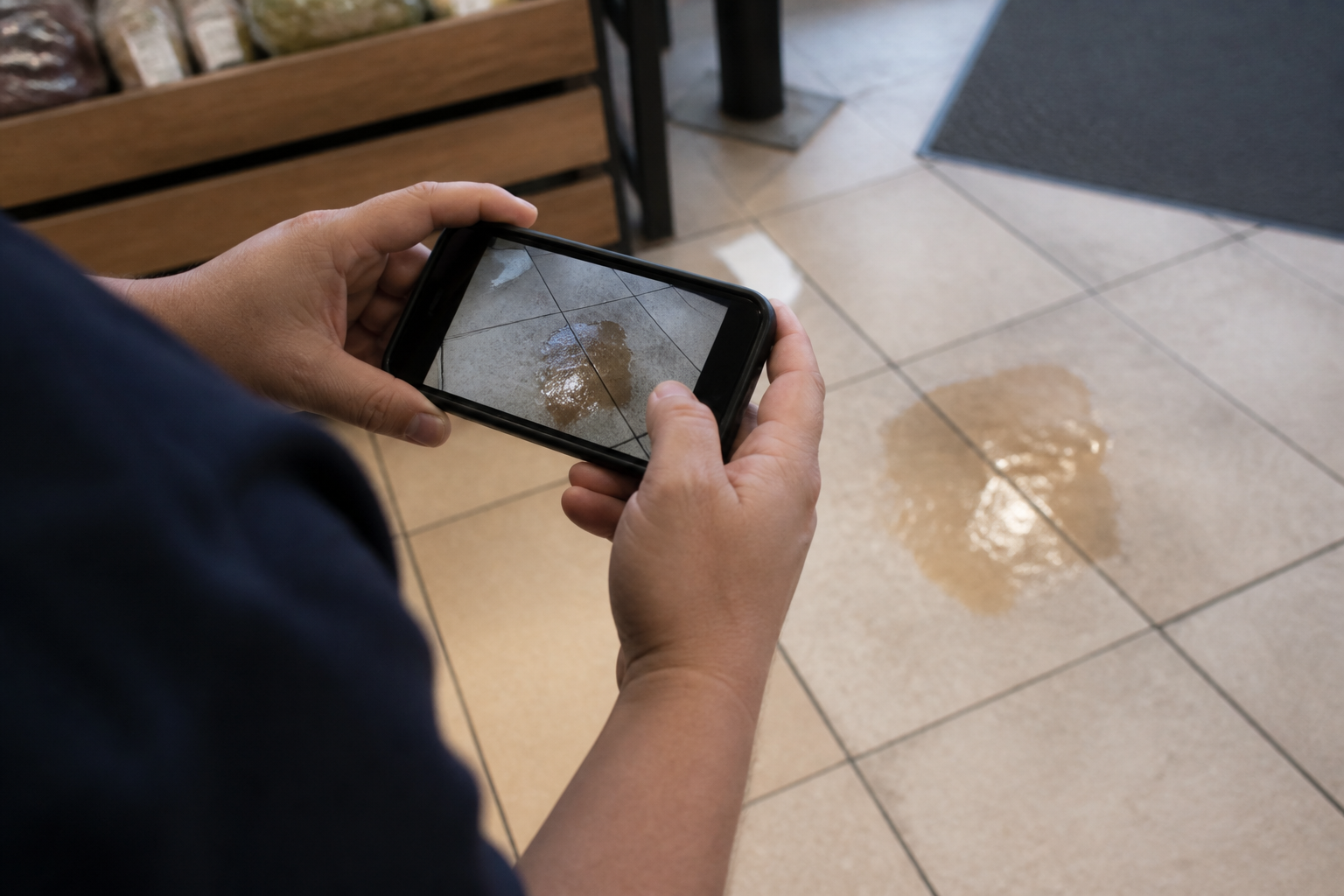
Because these questions turn on details that fade quickly, evidence makes or breaks the case. Document the scene immediately, before conditions change.
Shared Fault Doesn’t End Your Claim
Property owners often argue the injured person simply wasn’t watching where they were going. Under California’s pure comparative negligence rule, being partly at fault reduces your recovery but does not eliminate it.
And keep the clock in mind: most premises liability claims must be filed within two years, with a much shorter deadline if a government property is involved. When injuries are serious, it’s worth speaking with an attorney early.
If you were hurt because a property owner failed to keep their premises safe, you may have a claim worth pursuing. Pogosyan Law offers a free, no-obligation consultation to help you understand your rights.
Get a Free Consultation with Pogosyan Law
Dangerous Premises Injury Attorneys in Glendale
California’s Pure Comparative Negligence Rule
Personal Injury Claim Deadlines in California
California Courts - Self-Help Center
California Legislative Information (full statutes)
Call (818) 243-3900 or email info@pogosyanlaw.com - 500 N. Brand Blvd, Suite 830, Glendale, CA 91203.
Disclaimer: This article is general information about California law, not legal advice, and does not create an attorney-client relationship. Laws change and every case is different - for guidance on your situation, consult a licensed attorney. Past results do not guarantee future outcomes.