How Long Do You Have to File a Personal Injury Claim in California? Deadlines, the 6-Month Government Rule, and the Exceptions That Matter

After an injury, your focus is on healing - not on legal deadlines. But in California, the law puts a clock on your right to seek compensation, and once that clock runs out, even the strongest case can be dismissed for good. Understanding how much time you actually have is one of the most important steps you can take to protect your claim.
The general rule is simpler than the exceptions. Here is how California’s deadlines work, and the situations that can shorten - or quietly extend - them.
The General Rule: Two Years
For most personal injury claims in California - car accidents, slip and falls, bicycle and pedestrian crashes, and similar injuries caused by someone else’s negligence - you generally have two years from the date of the injury to file a lawsuit. This deadline comes from California Code of Civil Procedure section 335.1.
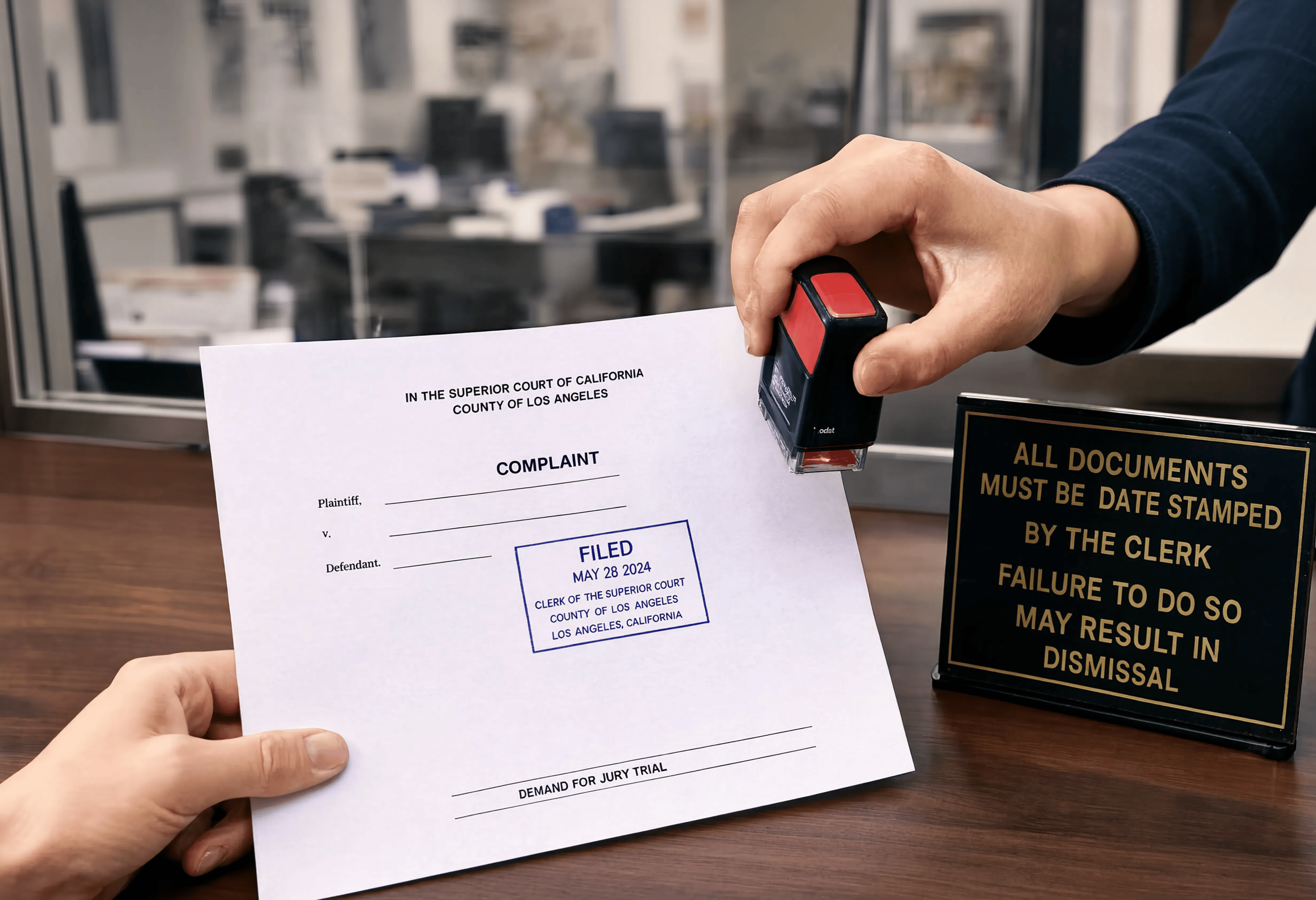
One point that surprises many people: “filing” means actually filing a complaint in court. Hiring an attorney, sending a demand letter, or negotiating with an insurance company does not stop the clock. If two years pass without a lawsuit on file, the at-fault party can ask the court to dismiss your case - no matter how serious your injuries are.
The Exception That Catches People Off Guard: Claims Against the Government
If a government entity may share responsibility for your injury - a city bus, a county vehicle, a dangerous public road, or unsafe government property - the timeline is dramatically shorter. Under California’s Government Claims Act, you must first file a formal administrative claim with the correct public entity within six months of the incident, before you can file a lawsuit at all.
Six months is easy to miss, and the rules about which entity to notify, and how, are strict. If there is any chance a public agency was involved, it is wise to speak with an attorney quickly.

Other Situations That Change the Deadline
Why Acting Early Helps Your Case - Not Just Your Deadline
Deadlines aside, time works against an injury claim in practical ways. Evidence disappears, surveillance footage is erased, vehicles are repaired, and witnesses’ memories fade. The sooner your case is investigated, the stronger it tends to be. Acting early protects both your legal right to file and the quality of the evidence behind your claim.
Not sure which deadline applies to your situation? It is the kind of question that is far better answered early than late. The team at Pogosyan Law offers a free, no-obligation consultation and can help you understand the timeline for your specific case.
Get a Free Consultation with Pogosyan Law
Car Accident Attorneys in Glendale
California Courts - Self-Help Center
California Legislative Information (full statutes)
Call (818) 243-3900 or email info@pogosyanlaw.com - Glendale, CA.
Disclaimer: This article is general information about California law, not legal advice, and does not create an attorney-client relationship. Laws change and every case is different - for guidance on your situation, consult a licensed attorney. Past results do not guarantee future outcomes.