Back to School in California: The New 20 MPH School Zone Law and Your Rights After a Child Pedestrian Injury
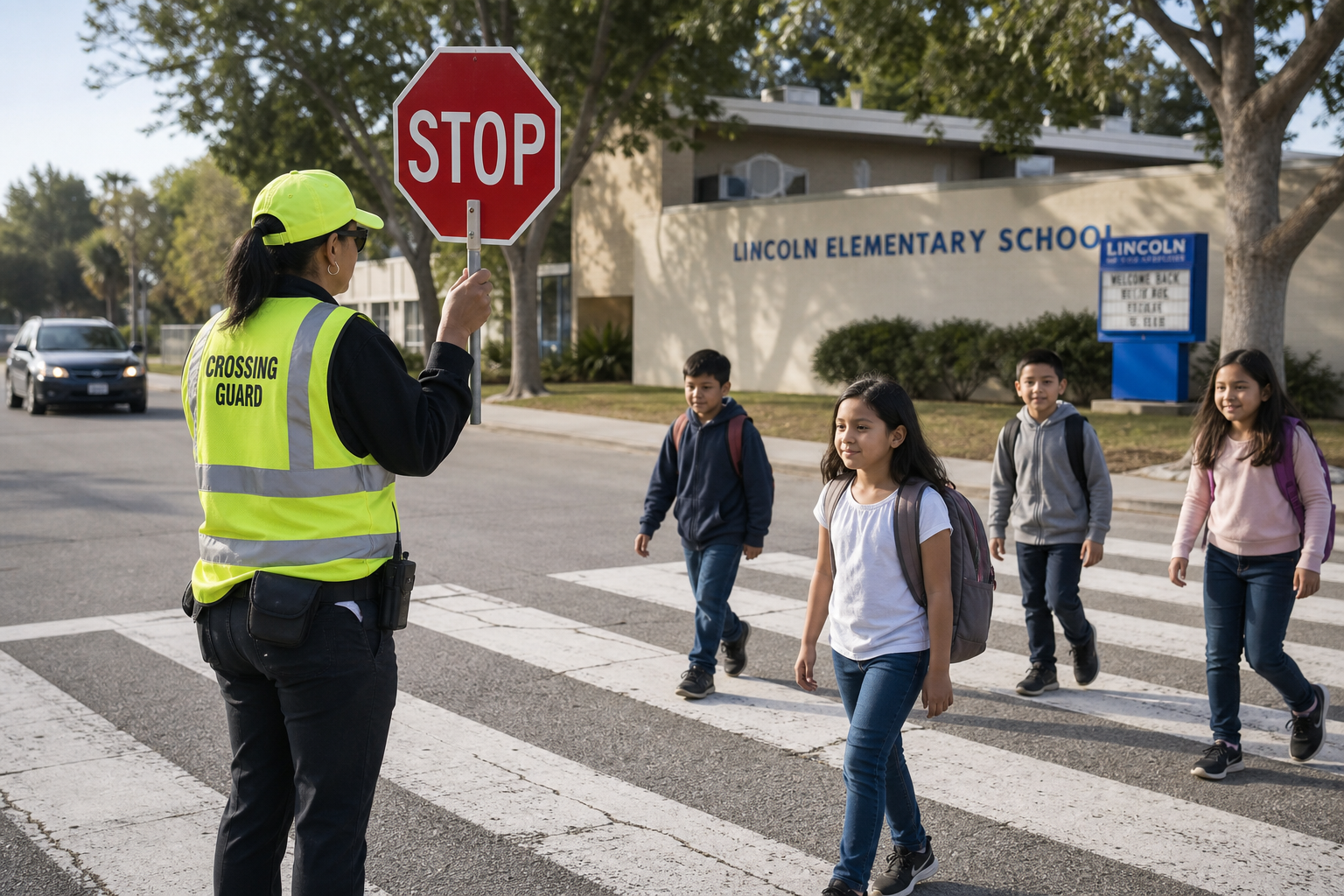
As California families settle back into the school-year routine, the streets around campuses fill up again - with children walking and biking to class, parents rushing through drop-off, buses stopping and starting, and drivers who are often distracted or in a hurry. It is one of the most predictable and preventable danger zones on the road, and it puts our youngest, most vulnerable pedestrians directly in harm’s way.
This year, California is giving communities a new tool to slow that traffic down. Here is what changed for the 2026 school year, why even a few miles per hour matters so much, and what your family’s rights are if a driver injures your child.
What Changed: Slower School Zones in 2026
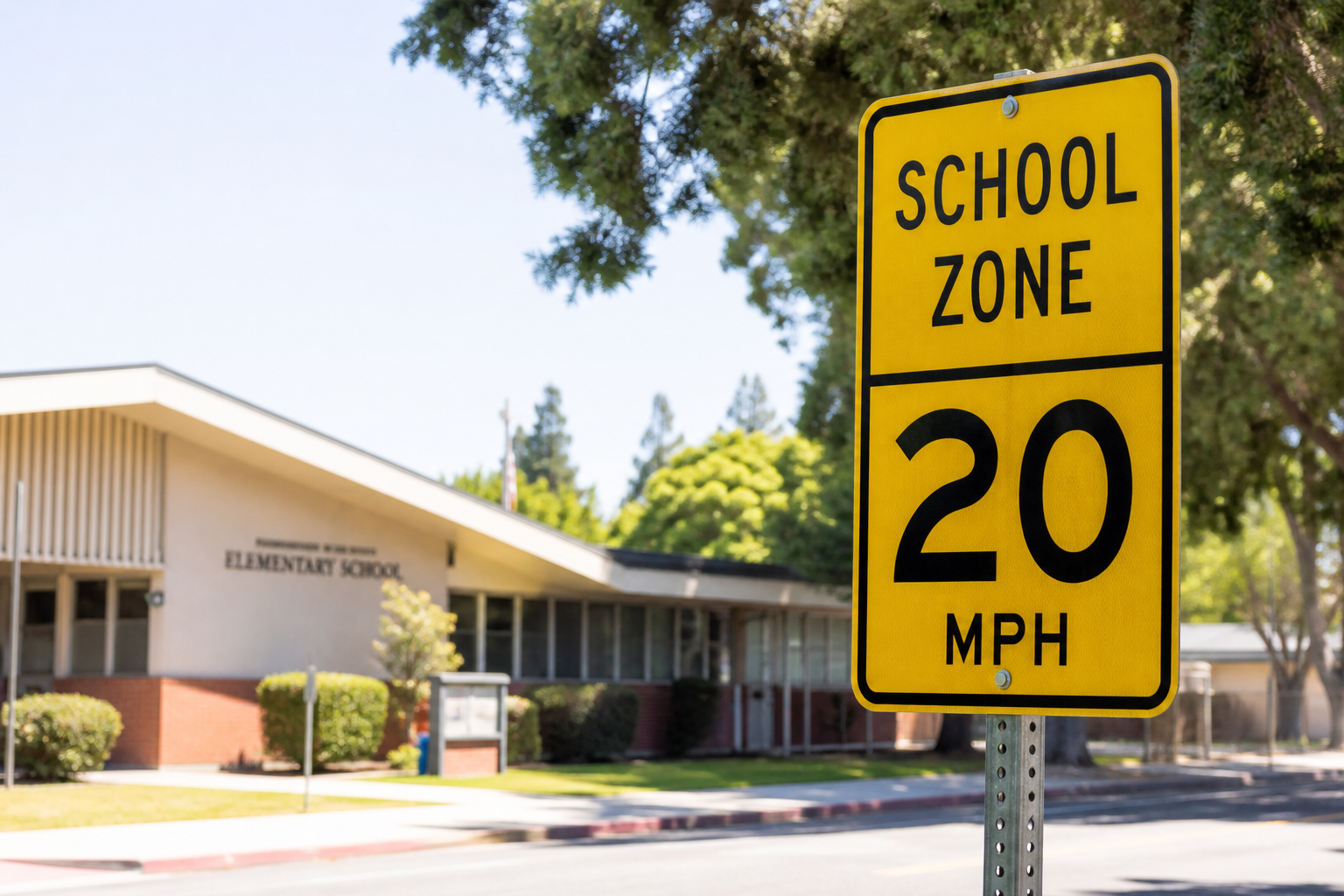
Under a 2026 update to California law, cities and counties now have expanded authority to lower speed limits in school zones - reducing them from the familiar 25 miles per hour down to 20 miles per hour where local officials determine it is warranted. It sounds like a small change. It is not.
Speed is the single biggest factor in whether a child survives being struck by a car. The physics are stark: a pedestrian hit at 20 mph is far more likely to survive, and to survive with less severe injuries, than one hit at higher speeds, because both the force of impact and the distance a driver needs to stop climb sharply as speed increases. Lowering the limit near schools gives drivers more time to react and gives children a meaningfully better chance if the worst happens.
Where and When the Risk Is Highest
School-zone crashes cluster around a few predictable moments and places: the morning drop-off and afternoon pickup windows, marked and unmarked crosswalks, double-parked cars that block sightlines, and intersections where drivers are turning while watching for other cars instead of kids. Distraction is a common thread - a driver who glances at a phone for two seconds at 25 mph travels the length of a house without looking up. Children, meanwhile, are small, unpredictable, and easy to miss between parked vehicles. The new lower limits are aimed squarely at these high-risk conditions.
If a Driver Hits Your Child: Your Legal Options
When a driver injures a child, California law holds that driver to the duty to operate their vehicle with reasonable care - and violating a traffic law, such as speeding through a posted school zone, can be strong evidence of negligence. A family may be able to recover for the child’s medical care, future treatment and therapy, and the pain and long-term impact of the injury, and parents can often recover the medical expenses they paid on the child’s behalf.
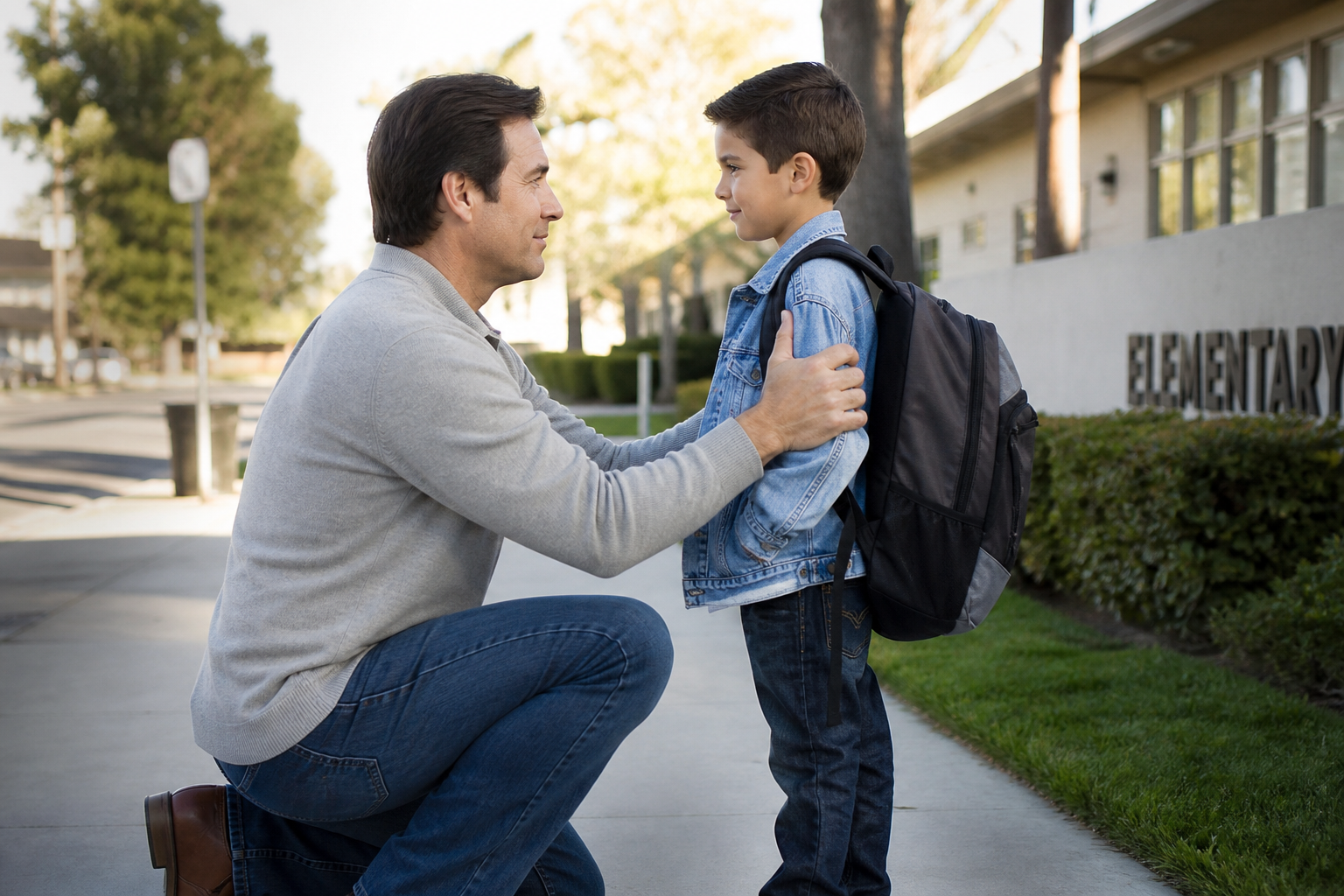
One point that reassures many parents: California recognizes that children are not held to an adult standard of caution. Very young children generally cannot be found legally at fault for an accident at all, and older children are judged only by what a reasonable child of the same age and experience would do. A driver cannot escape responsibility simply by claiming a young child “darted out.”
When a City, School District, or Public Road Is Involved
Some school-zone injuries involve more than a private driver. A dangerous crosswalk, a missing or obscured sign, poor visibility caused by public landscaping, or an unsafe roadway design can point to a public entity’s responsibility. These claims come with a critical catch: when you are pursuing a claim against a government body - including a city, county, or school district - California’s Government Claims Act generally requires you to file a formal administrative claim within just six months of the incident, long before any lawsuit.
Importantly, while the deadline to sue is often extended for injured minors, that six-month government-claim deadline can still apply even when the injured person is a child. If any public agency may share responsibility, it is wise to act quickly. For a fuller explanation of these deadlines, see our guide on how long you have to file a personal injury claim in California.
Steps Parents Should Take After a School-Zone Crash
In the difficult moments after a child is hurt, a few steps protect both your child and any future claim:
No parent should have to fight an insurance company while caring for an injured child. If your child was hurt in or near a school zone, the team at Pogosyan Law offers a free, no-obligation consultation to explain your family’s rights and handle the legal side so you can focus on your child’s recovery.
Get a Free Consultation with Pogosyan Law
Pedestrian Accident Attorneys in Glendale
How Long Do You Have to File a Personal Injury Claim in California?
California DMV - California Driver Handbook
Call (818) 243-3900 or email info@pogosyanlaw.com - Glendale, CA.
Disclaimer: This article is general information about California law, not legal advice, and does not create an attorney-client relationship. Laws change and every case is different - for guidance on your situation, consult a licensed attorney. Past results do not guarantee future outcomes.