Who Is Responsible for a Slip and Fall Injury

Understanding Liability in Slip and Fall Cases
Slip and fall accidents can occur unexpectedly in grocery stores, apartment complexes, office buildings, parking lots, and other public or private properties. While some falls result in minor injuries, others can lead to serious harm such as fractures, traumatic brain injuries, or spinal damage. Determining who is legally responsible for a slip and fall injury depends on several factors, including property ownership, control of the premises, and whether reasonable safety measures were taken.
The Legal Concept of Premises Liability
Slip and fall claims are generally governed by premises liability law. Under California law, property owners and those who control property have a duty to maintain reasonably safe conditions. This includes inspecting the property for hazards, repairing dangerous conditions, and warning visitors of known risks. When a property owner fails to meet this duty and someone is injured as a result, they may be held legally responsible.
Property Owners and Occupiers
In many cases, the property owner is responsible for maintaining safe conditions. However, liability does not always rest solely with the owner. Businesses leasing commercial space, property management companies, or tenants who control a particular area may also share responsibility. The key legal question is often who had control over the area where the accident occurred and whether they knew or should have known about the dangerous condition.


Common Hazardous Conditions
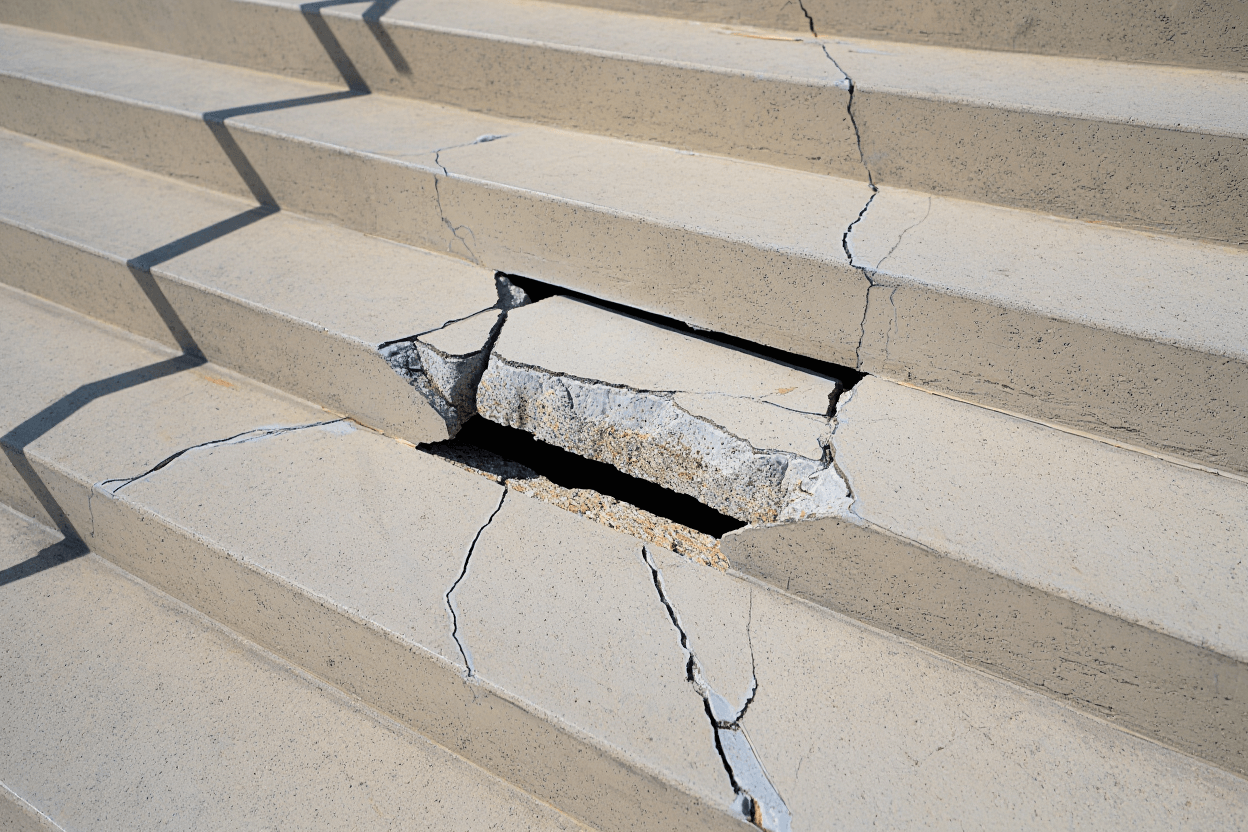
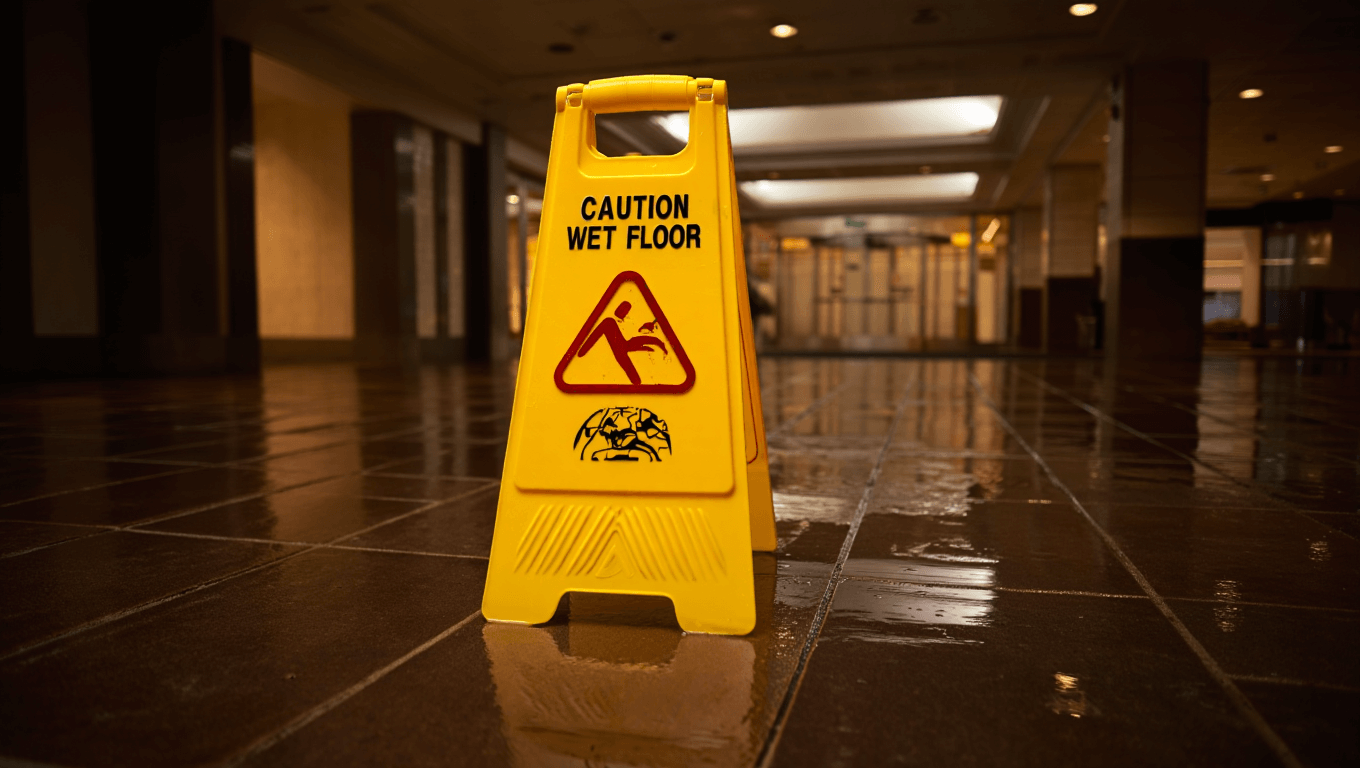
Slip and fall accidents frequently involve wet or slippery floors, uneven pavement, broken stairways, inadequate lighting, loose carpeting, or debris left in walkways. To establish liability, it must generally be shown that the responsible party either created the dangerous condition or failed to correct it within a reasonable time after becoming aware of it.
Notice and Reasonable Opportunity to Fix the Hazard
A critical factor in determining responsibility is whether the property owner or occupier had actual or constructive notice of the hazard. Actual notice means the party knew about the dangerous condition. Constructive notice means the hazard existed long enough that a reasonable property owner should have discovered and addressed it through routine inspections. Without proof of notice, establishing liability can be more challenging.
Comparative Fault in Slip and Fall Cases
California follows a comparative fault system. This means that even if an injured person is found partially responsible, such as by not paying attention to their surroundings, they may still recover compensation. However, any award may be reduced by the percentage of fault assigned to them. Insurance companies often attempt to argue that the injured party was careless in order to reduce liability.
Compensation Available in Slip and Fall Claims
Injured individuals may seek compensation for medical expenses, rehabilitation costs, lost wages, and diminished earning capacity. Claims may also include damages for pain and suffering, emotional distress, and long-term disability. The extent of compensation depends on the severity of the injuries and the impact on the individual’s life.
The Importance of Prompt Investigation
Evidence in slip and fall cases can disappear quickly. Surveillance footage may be overwritten, hazardous conditions may be repaired, and witness memories may fade. Prompt documentation, including photographs and incident reports, can significantly strengthen a claim. Early legal evaluation can help preserve critical evidence and ensure compliance with California’s filing deadlines.
Identifying Responsibility After a Slip and Fall
Determining who is responsible for a slip and fall injury requires careful analysis of property ownership, control, and the circumstances surrounding the hazard. Property owners and occupiers have a legal obligation to maintain safe conditions, but liability depends on proof that this duty was breached. Understanding your rights and acting quickly can make a meaningful difference in protecting your ability to recover fair compensation.
Additional Resources
For more information, visit the California Courts Self-Help Guide, the California Department of Consumer Affairs, and Nolo’s Premises Liability Overview.