Who Actually Pays Your Medical Bills After a California Accident? Med-Pay, Health Insurance, and Medical Liens Explained

You were hurt by someone else, so their insurance should pay your medical bills - right? Eventually, but almost never in real time. In the weeks and months after a crash, the bills arrive long before any settlement does, and how you handle them can affect both your finances and your final recovery.
Here is how medical bills actually get paid in a California injury case, step by step.
First, How California Works
California is a fault-based (“tort”) state. That means the at-fault party is ultimately responsible for your damages, including medical expenses - but their insurer typically does not pay your doctors as you treat. Instead, it pays once your claim resolves through a settlement or judgment, which can take months or longer.
So who covers your care in the meantime? Usually one of three sources.
1. Your Health Insurance
Your private plan, employer plan, Medi-Cal, or Medicare will generally pay for treatment right away, which keeps you out of collections and gets you the care you need. The trade-off is reimbursement: your health plan often has a right to be repaid from your eventual settlement - a process called subrogation. Medicare and Medi-Cal in particular have their own repayment rules that must be handled carefully.
The good news: these reimbursement amounts (liens) can frequently be negotiated down, which puts more of your settlement back in your pocket.
2. Med-Pay (Medical Payments Coverage)
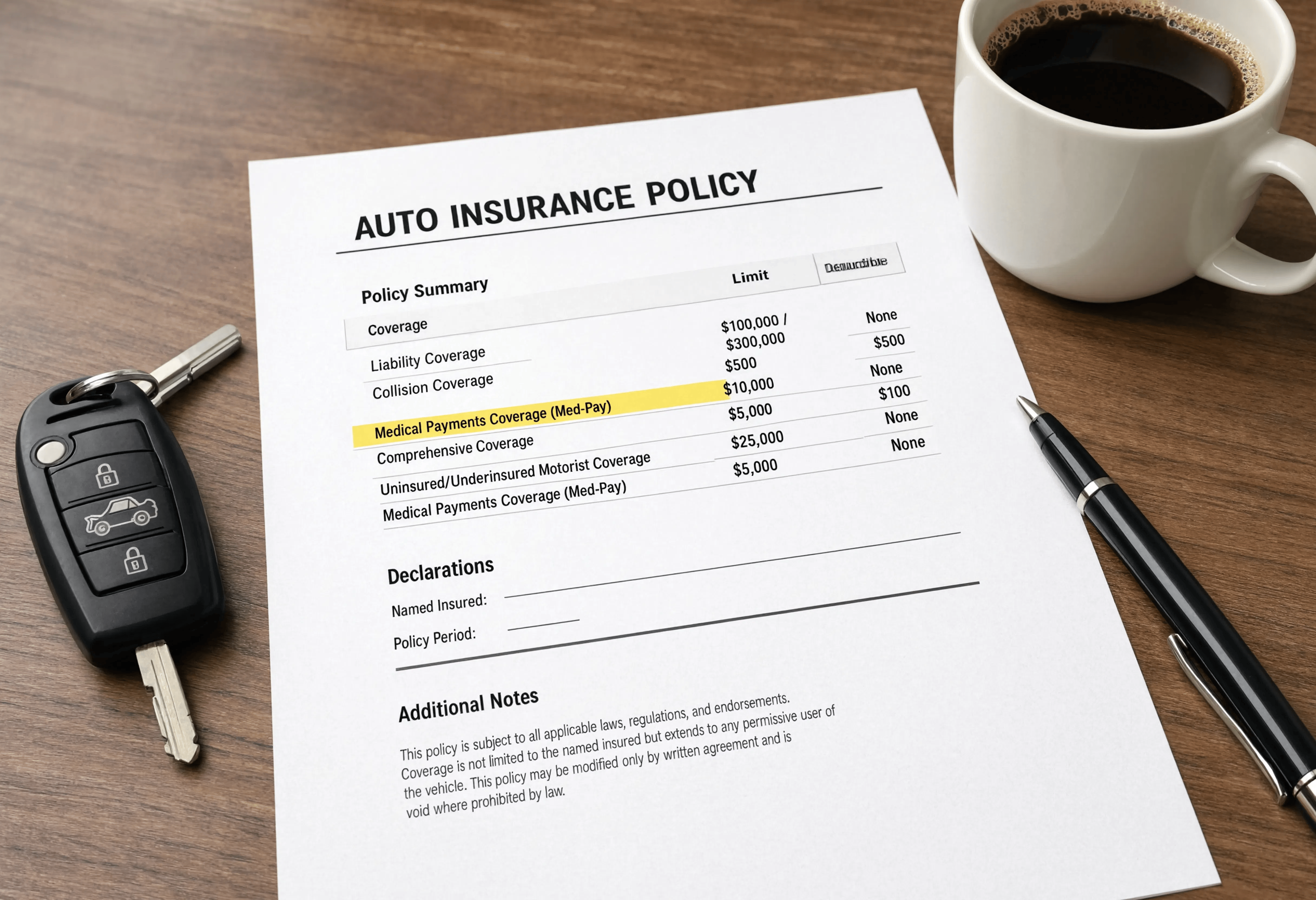
Med-Pay is an optional add-on to your own auto policy, and one of the most useful coverages you can carry. It pays reasonable accident-related medical costs regardless of who was at fault, usually quickly and without co-pays or deductibles. Limits commonly range from $1,000 to $10,000. If you have it, it can cover early bills, deductibles, and gaps in other coverage.

3. Treatment on a Medical Lien
If you do not have health insurance or Med-Pay, some providers will treat you on a lien - meaning they agree to wait for payment until your case resolves, then collect from the settlement. This keeps care available when you need it most. Hospital liens in California are governed by specific rules (the Hospital Lien Act), and, like other liens, they often can be negotiated.
An Important Detail: Billed vs. Paid
California law affects how much of your medical expenses you can claim. Under the well-known Howell decision, the recoverable amount for medical care is generally the amount actually paid and accepted - often the lower negotiated rate - rather than the full “sticker price” a provider first billed. The rules can differ for patients treating on a lien. This is one of many reasons the medical-billing side of an injury case is more technical than it looks, and why guidance matters.
Whatever route covers your care, keep every bill, statement, and record. Your co-pays, deductibles, and out-of-pocket costs are part of your claim - do not assume the small ones aren’t worth documenting.
Worried about mounting medical bills while your case is pending? Pogosyan Law can help you understand your options and protect your recovery. The consultation is free.
Get a Free Consultation with Pogosyan Law
Car Accident Attorneys in Glendale
Catastrophic Injury Attorney in Glendale
California Department of Insurance
California Courts - Self-Help Center
Call (818) 243-3900 or email info@pogosyanlaw.com - Glendale, CA.
Disclaimer: This article is general information about California law, not legal advice, and does not create an attorney-client relationship. Laws change and every case is different - for guidance on your situation, consult a licensed attorney. Past results do not guarantee future outcomes.