Uber and Lyft Accidents in California: Whose Insurance Actually Pays When You’re Hurt in a Rideshare
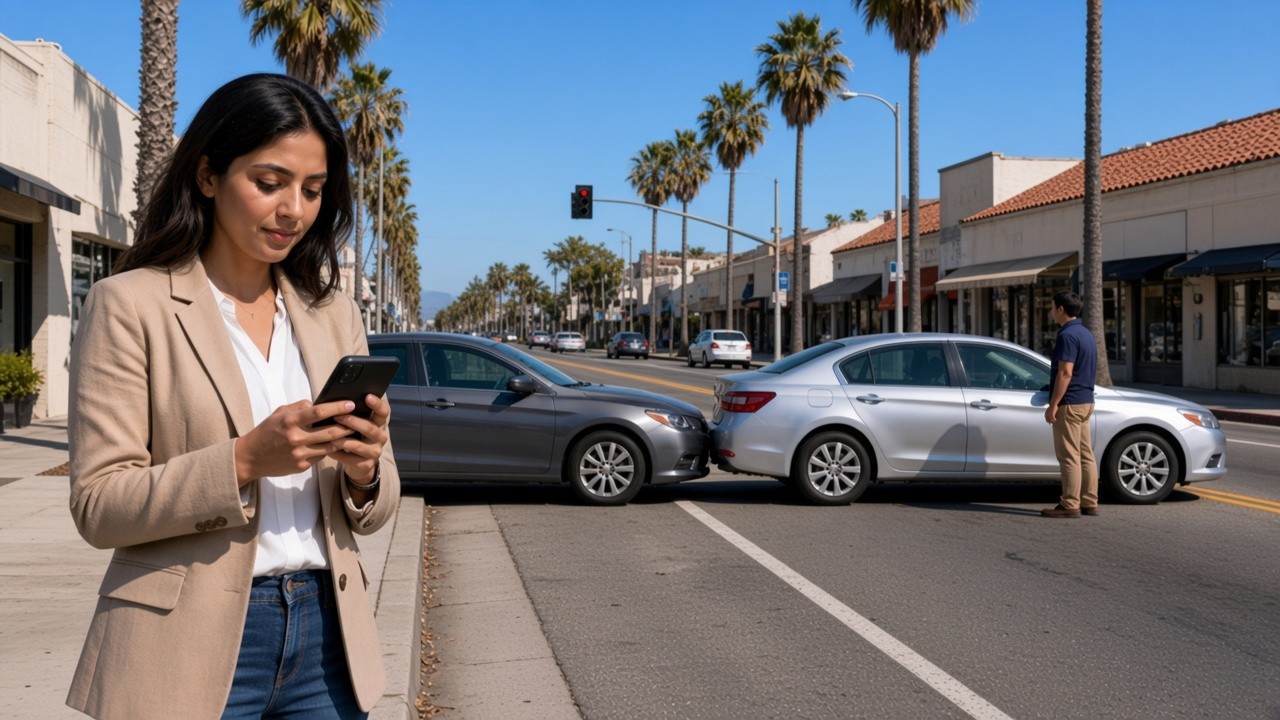
Rideshare is woven into daily life in Los Angeles - a quick Uber to the airport, a Lyft home after dinner. But when one of those trips ends in a crash, a simple question suddenly gets complicated: whose insurance pays? Unlike an ordinary car accident, a rideshare collision can involve the driver's personal policy, a multi-million-dollar commercial policy, and the other driver's coverage all at once - and which one applies depends on exactly what the driver was doing at the moment of the crash.
Here is how California handles rideshare injury claims, and why the answer so often turns on a single detail: what the app was doing when the collision happened.
The Rideshare App Has "Periods" - and They Decide Who Pays
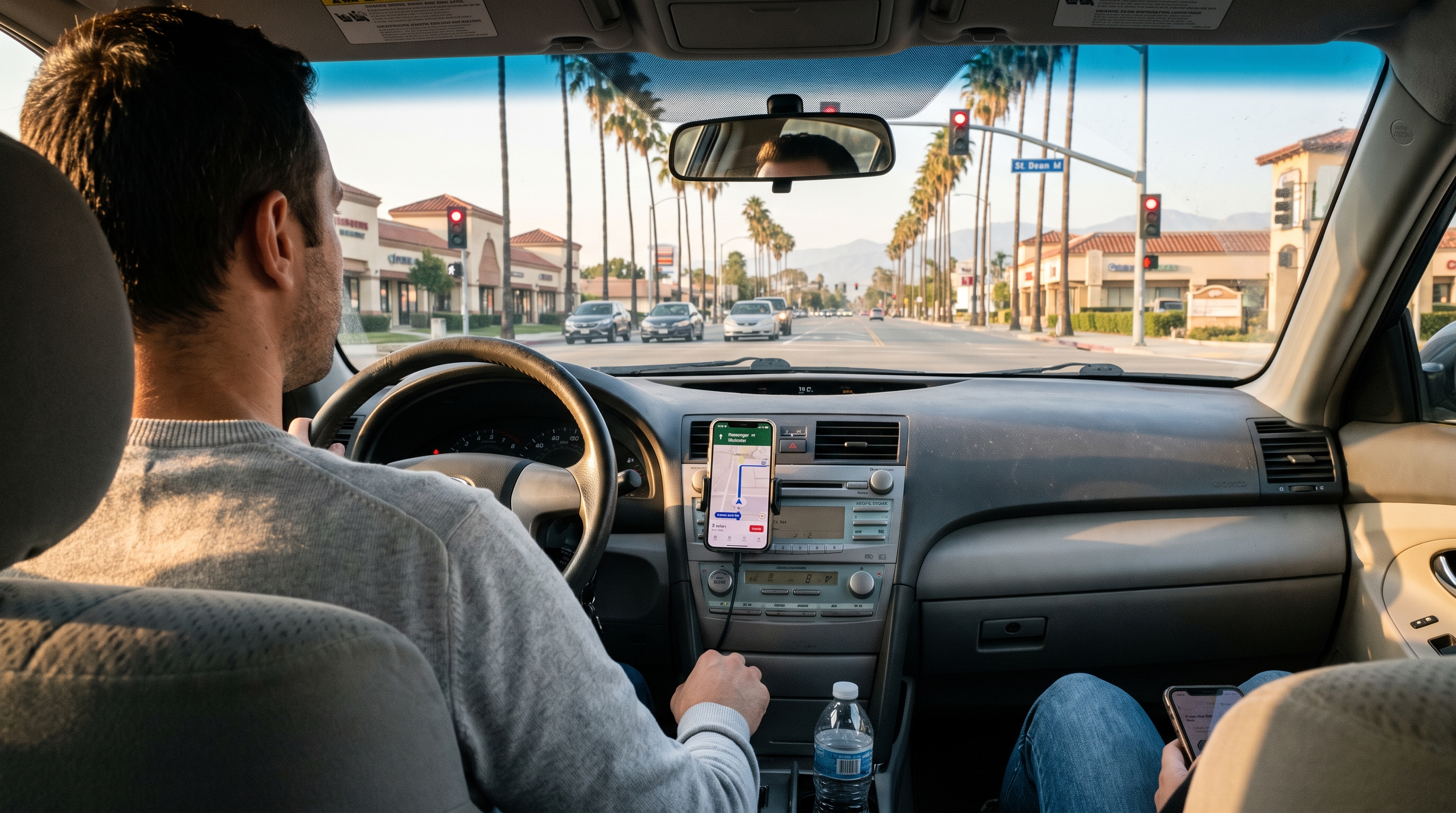
Companies like Uber and Lyft are regulated in California as Transportation Network Companies (TNCs), and the coverage that applies is tied to the driver's status in the app at the time of the crash:
That structure matters enormously. If you are hurt as a passenger, you are almost always in Period 2 or 3, where the $1,000,000 commercial policy is in play. If you are a pedestrian, cyclist, or another driver struck by a rideshare vehicle, the coverage can swing dramatically depending on whether the driver had a passenger or a ride accepted.
Why Rideshare Claims Get Complicated Fast
Even when a large policy clearly applies, these claims are rarely simple. The company's insurer may dispute what "period" the driver was in, argue the driver was an independent contractor, or point to the other motorist's policy first. Multiple insurers often end up pointing at one another - and while they do, the injured person waits. California regulators have also moved to tighten the insurance rules that apply to Uber and Lyft, a sign of how contested this area remains. The practical takeaway: do not assume the first company you hear from is the one ultimately responsible.
What to Do If You're Hurt in a Rideshare Crash
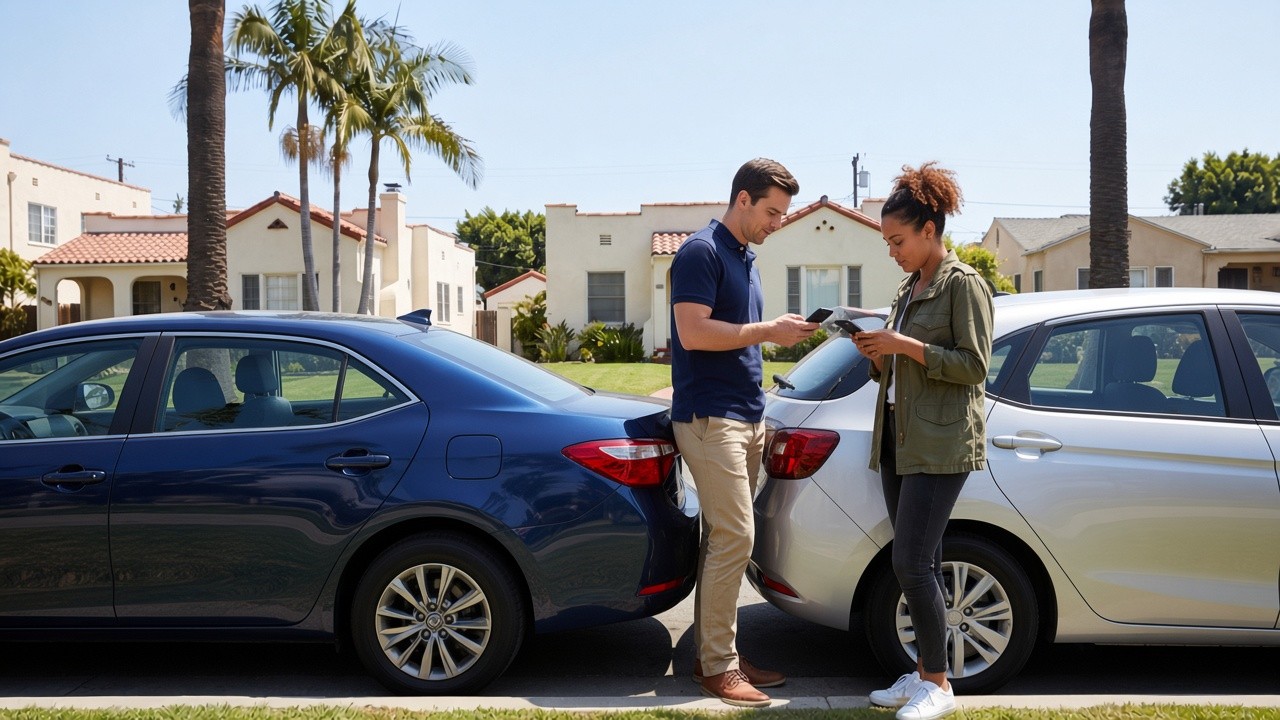
Whether you were a passenger, a driver, or a pedestrian, the basics are the same. Get medical attention promptly, even if you feel "mostly fine" - adrenaline masks injuries. Take screenshots of your trip in the app (the receipt, the driver, the time), photograph the scene and vehicles, get the police report number, and collect contact details for the driver and any witnesses. Report the crash in the app, but be careful about giving any recorded statement to an insurer before you understand your rights.
If you were injured in an Uber or Lyft crash in California - as a passenger, another driver, or a pedestrian - you may be entitled to far more than the first offer suggests. Pogosyan Law offers a free consultation to sort out which policies apply and pursue the full compensation available.
Get a Free Consultation with Pogosyan Law
Personal Injury Practice Areas
Free AI Case Value Insight Tool
California PUC - Transportation Network Companies (Uber/Lyft)
California Dept. of Insurance - Automobile Insurance Guides
Website by Inspirovate Creatives
Call (818) 243-3900 or email info@pogosyanlaw.com - Glendale, CA, representing injured clients across California since 1999.
Disclaimer: This article is general information about California law, not legal advice, and does not create an attorney-client relationship. Laws change and every case is different - for guidance on your situation, consult a licensed attorney. Past results do not guarantee future outcomes.