Traumatic Brain Injuries After an Accident: Why These Claims Are Different and How California Law Values Them
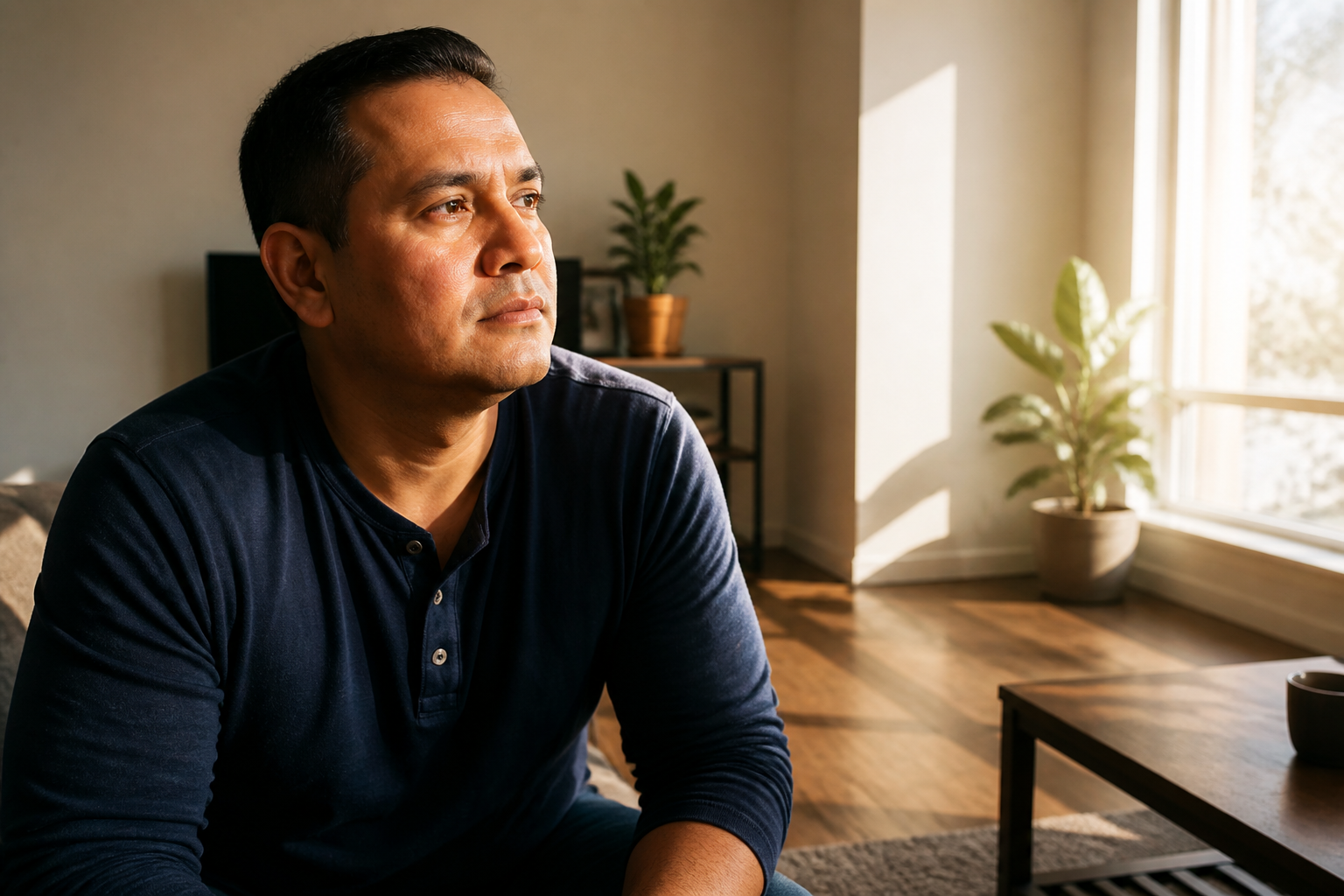
Some injuries are impossible to miss - a broken bone, a visible wound. A traumatic brain injury is often the opposite. There may be no cast, no scar, and no dramatic image on a scan, yet the person living with it can struggle with memory, focus, mood, and daily functioning in ways that quietly reshape their life and their family’s. That invisibility is exactly why brain-injury claims are so often underestimated - by insurers and by injured people themselves.
If you or someone you love suffered a head injury in a crash, fall, or other accident, it is important to understand what a traumatic brain injury really involves, why it can be so hard to prove, and how California law is designed to compensate the full weight of it.
What Counts as a Traumatic Brain Injury
A traumatic brain injury, or TBI, happens when a blow, jolt, or penetrating injury disrupts normal brain function. These injuries range from “mild” - the category that includes concussions - to moderate and severe injuries involving lasting damage. The word “mild” is misleading. A concussion is still an injury to the brain, and even a so-called mild TBI can cause headaches, dizziness, memory and concentration problems, sleep disruption, irritability, and depression that persist for months or longer. For some people, the effects never fully resolve.
Why TBI Symptoms Are Easy to Miss
Brain injuries are frequently overlooked in the immediate aftermath of an accident, for several reasons. Symptoms can be delayed, appearing hours or days later once the adrenaline fades. They can be subtle - a person “just doesn’t feel like themselves,” is more forgetful, or loses their patience more easily. And crucially, standard imaging like a routine CT scan can come back normal even when a real injury exists, because many brain injuries involve microscopic damage that ordinary scans are not designed to detect. A “clean” scan does not mean there is no injury - a fact insurers are quick to exploit.


The True Cost of a Brain Injury
The financial impact of a serious TBI reaches far beyond the initial hospital bill. A complete picture usually includes:
These losses are real even when they do not show up on an X-ray, and valuing them properly is central to a brain-injury claim.
How These Claims Are Proven
Because the injury is often invisible, proving a TBI takes more than a single test. Strong cases are typically built from several sources: neuropsychological testing that measures memory, attention, and processing; advanced imaging that can reveal damage a routine scan misses; the observations of treating physicians and therapists; testimony from family, friends, and coworkers about how the person has changed; and, in serious cases, life-care planners and economists who calculate future costs. Together, this evidence turns an “invisible” injury into a documented, compensable one.
How California Law Compensates Brain-Injury Victims
California law entitles an injured person to full and fair compensation for both economic damages (measurable losses like medical bills and lost earnings) and non-economic damages (pain, suffering, cognitive loss, and diminished quality of life). In ordinary injury cases - as opposed to medical malpractice - California does not cap non-economic damages, which matters enormously for brain injuries, where so much of the harm is exactly the kind that cannot be reduced to a receipt.
California also follows the “eggshell plaintiff” rule: a wrongdoer takes their victim as they find them. If an accident aggravates a prior condition, or a person turns out to be more vulnerable to serious injury than average, the at-fault party is still responsible for the full extent of the harm they caused. An insurer cannot escape liability by arguing you were “already fragile.”
Why Early Documentation Matters
With brain injuries, the record you build early can shape everything later. Seeking prompt medical evaluation, reporting every symptom honestly (including the subtle cognitive and emotional ones), and following through with recommended treatment does two things at once: it supports your recovery, and it creates the contemporaneous documentation that proves the injury was real and connected to the accident. Gaps and downplayed symptoms are the openings insurers use to minimize these claims.
A brain injury can change a life in ways that are hard to see and harder to put a price on - which is exactly why these cases demand careful, experienced handling. If you or a loved one suffered a head injury in an accident, the team at Pogosyan Law offers a free, no-obligation consultation to help you understand the full value of your claim.
Get a Free Consultation with Pogosyan Law
Catastrophic Injury Attorneys in Glendale
CDC - Traumatic Brain Injury Information
Brain Injury Association of America
California Courts - Self-Help Center
Call (818) 243-3900 or email info@pogosyanlaw.com - Glendale, CA.
Disclaimer: This article is general information about California law, not legal advice, and does not create an attorney-client relationship. Laws change and every case is different - for guidance on your situation, consult a licensed attorney. Past results do not guarantee future outcomes.