10 Mistakes That Can Ruin Your Car Accident Case

Small Errors Can Have Major Consequences
After a car accident, injured individuals often focus primarily on medical recovery. However, certain decisions made in the days and weeks following a collision can significantly affect a potential injury claim. Insurance companies closely evaluate a claimant’s actions, statements, and documentation. Avoiding common mistakes can protect your right to fair compensation under California law.
Failing to Seek Immediate Medical Attention
Delaying medical treatment is one of the most damaging mistakes in a car accident case. Even if injuries appear minor at first, symptoms can worsen over time. Gaps in treatment allow insurance companies to argue that injuries were not serious or were unrelated to the accident. Prompt medical evaluation creates essential documentation linking the injuries directly to the collision.
Not Reporting the Accident Properly
Failing to report the accident to law enforcement or the appropriate authorities can complicate a claim. Police reports often provide critical details regarding fault, road conditions, and witness information. Without an official report, proving liability may become more difficult.
Admitting Fault or Making Inconsistent Statements
In the aftermath of a collision, individuals sometimes apologize or speculate about what happened. Even casual remarks can later be used to suggest an admission of fault. Because California follows a comparative fault system, any perceived responsibility can reduce the amount of compensation recovered.

Providing a Recorded Statement Without Preparation
Insurance adjusters frequently request recorded statements soon after an accident. While these requests may seem routine, statements can be used to highlight inconsistencies or minimize injury claims. Inaccurate descriptions of symptoms or incomplete details may negatively affect the value of a case.
Accepting a Quick Settlement Offer
Early settlement offers are often made before the full extent of injuries is known. Once a release is signed, additional compensation is typically barred. Accepting a premature settlement can prevent recovery for long-term medical care, lost earning capacity, or future pain and suffering.
Failing to Preserve Evidence
Photographs of the accident scene, vehicle damage, visible injuries, and witness contact information can play a critical role in establishing liability. Waiting too long to gather evidence may result in lost documentation or unavailable witnesses, weakening the claim.
Posting About the Accident on Social Media
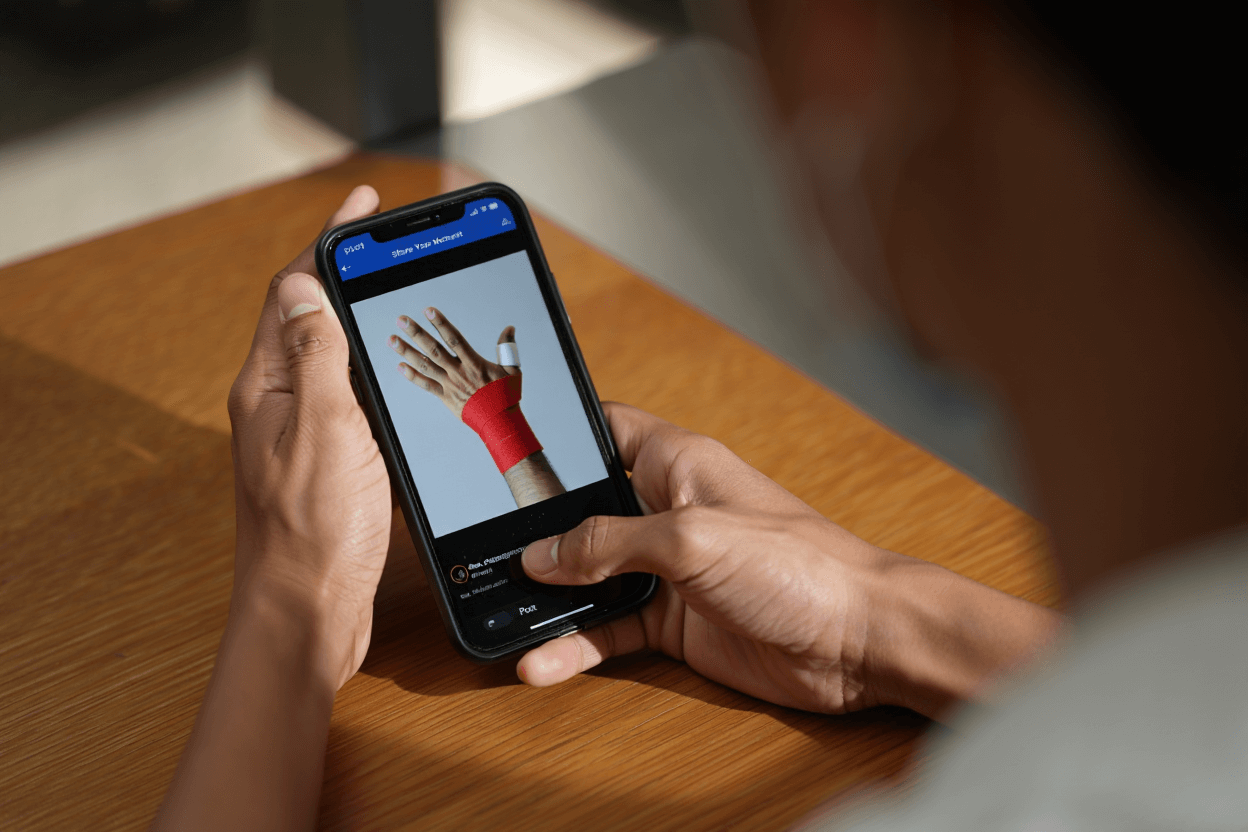
Social media activity is increasingly used by insurance companies during claim investigations. Photos, comments, or status updates may be taken out of context to argue that injuries are exaggerated or that recovery is progressing more quickly than claimed.


Ignoring Medical Advice or Missing Appointments
Failure to follow prescribed treatment plans or attend follow-up appointments may suggest that injuries are not severe. Insurance companies often scrutinize medical compliance to challenge the credibility of a claim.
Waiting Too Long to Take Legal Action
California law imposes strict statutes of limitations for filing personal injury lawsuits. Missing these deadlines can permanently bar recovery. Additionally, delays may lead to lost evidence and weakened witness testimony.
Handling Complex Claims Without Legal Guidance
Car accident cases involving serious injuries, disputed liability, or multiple parties can quickly become complicated. Attempting to negotiate directly with insurance companies without understanding the full value of a claim may result in significantly reduced compensation.
Protecting the Strength of Your Case
Car accident claims are often decided not only by the severity of injuries but also by the actions taken after the collision. Avoiding common mistakes, seeking prompt medical care, preserving evidence, and understanding legal rights can make a substantial difference in the outcome of a case. Careful and informed decisions help protect the ability to recover full and fair compensation.
Additional Resources
For more information, visit the California Office of Traffic Safety, and the National Highway Traffic Safety Administration.