Rainy-Season Car Accidents in California: Hydroplaning, Fault, and What to Know Before Winter
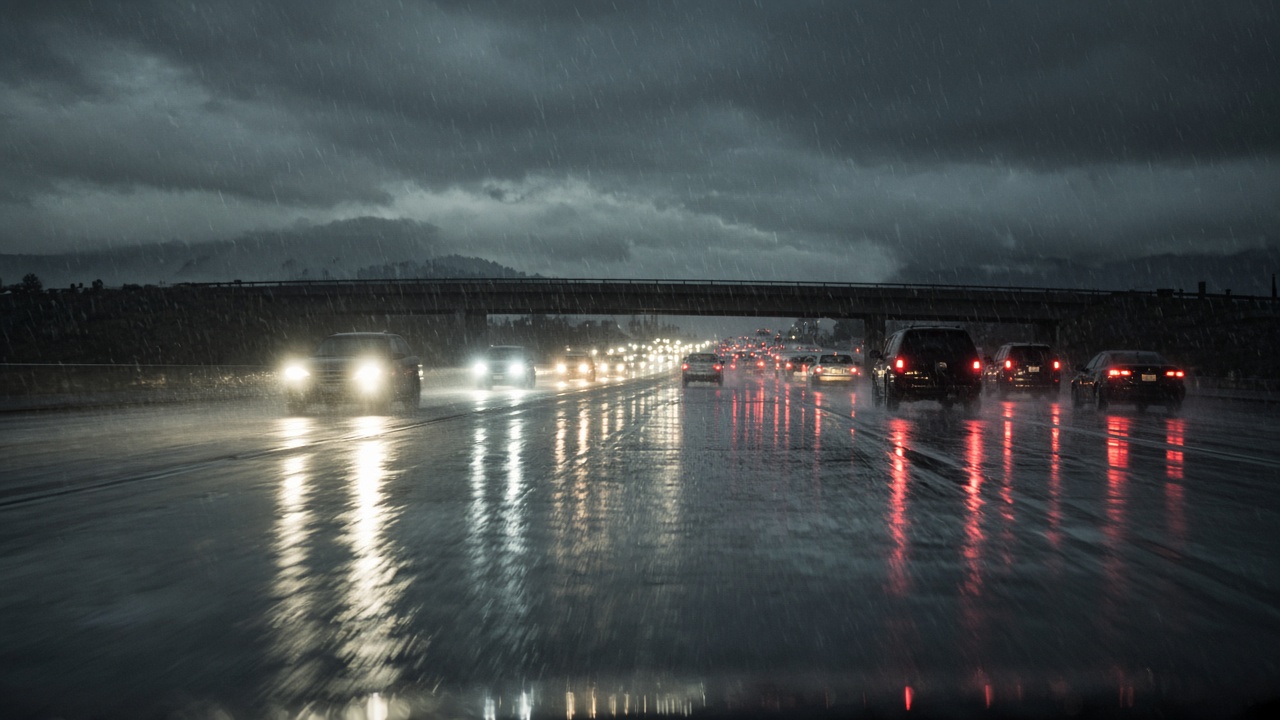
Californians are famously unprepared for rain - and the roads show it. After a long, dry summer, the first storms of the season bring a spike in collisions, as drivers rediscover slick pavement, reduced visibility, and the unsettling feeling of a car that will not quite grip the road.
Here is why wet-weather crashes happen, how fault is decided when the weather is a factor, and how to protect yourself before the rain returns.
Why the First Rains Are the Most Dangerous
Counterintuitively, the most dangerous driving often comes not in a downpour but in the first light rain after a dry spell. Months of oil, grease, and rubber build up on the road, and a little water lifts that residue into a slick film that is remarkably slippery. Combine that with drivers who have not adjusted their speed, and the season’s first storms routinely bring a wave of crashes.
What Hydroplaning Actually Is
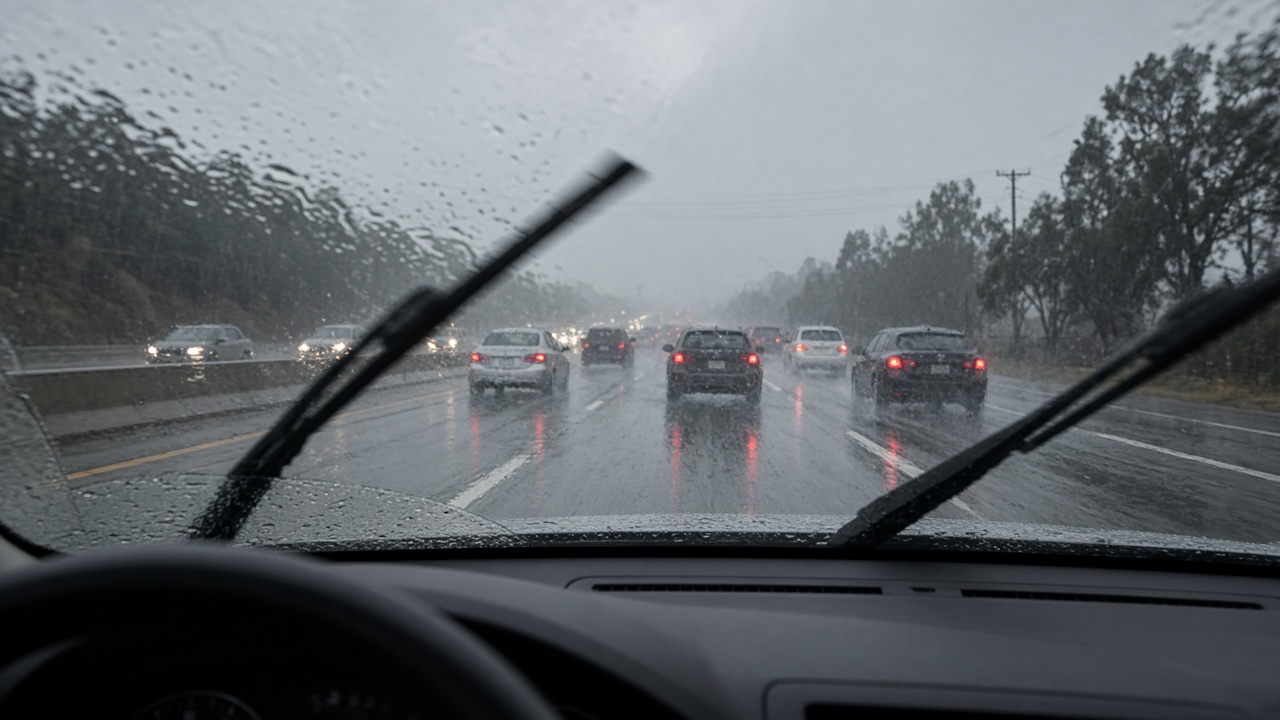
Hydroplaning happens when a layer of water builds between your tires and the road, and your car essentially skims across the surface with little or no traction. Steering and braking suddenly do almost nothing. It is most likely at higher speeds, with worn tires, and in standing or fast-falling water - and it is one of the most common causes of wet-weather collisions.
Who Is at Fault in a Rainy-Day Crash?
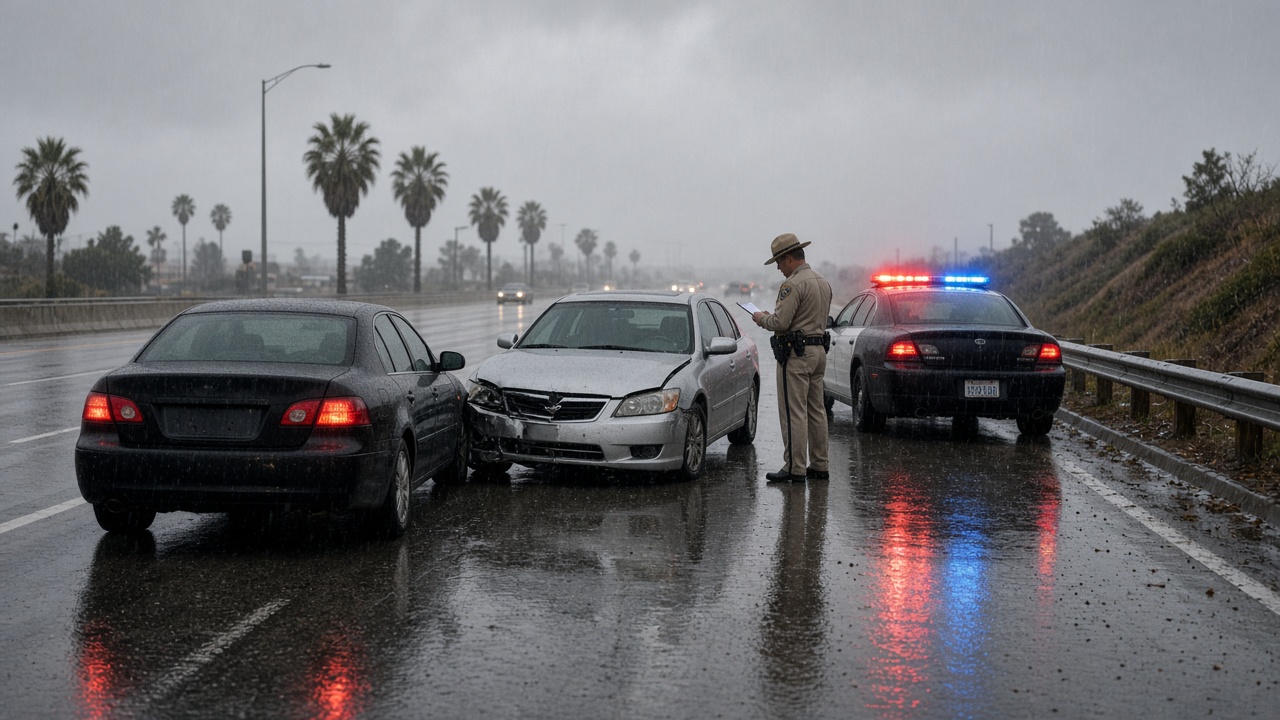
A common misconception is that bad weather is an excuse - that a rain-related crash is simply “an accident” no one is responsible for. California law says otherwise. Drivers have a duty to adjust to conditions, which means slowing down, increasing following distance, and driving safely for the weather. A driver who was speeding for the conditions, following too closely, or driving on bald tires can still be found negligent, even when rain played a role. Weather is context, not a defense.
How to Protect Yourself This Season
A little preparation goes a long way:
If You Are Hurt in a Wet-Weather Crash
If another driver’s carelessness caused your crash - rain or shine - the steps are the same as any collision: get medical care, call the police, photograph the scene and conditions, and gather witness information. Do not let an insurer tell you the weather means no one is responsible.
Rain does not erase another driver’s responsibility to drive safely. If you were injured in a wet-weather crash in California, the team at Pogosyan Law offers a free, no-obligation consultation to review your case.
Get a Free Consultation with Pogosyan Law
Car Accident Attorneys in Glendale
California DMV - California Driver Handbook
NHTSA - U.S. National Highway Traffic Safety Administration
Call (818) 243-3900 or email info@pogosyanlaw.com - Glendale, CA.
Disclaimer: This article is general information about California law, not legal advice, and does not create an attorney-client relationship. Laws change and every case is different - for guidance on your situation, consult a licensed attorney. Past results do not guarantee future outcomes.