New 2026 California Traffic Laws Every Driver Should Know - Move Over, Tougher DUI Penalties, and Red-Light Cameras

Every January brings a fresh batch of California traffic laws, and 2026 is no exception. Several of this year’s changes speak directly to safety on the road - how you pass a stopped car, what happens after a drunk-driving crash, and where cameras may soon be watching intersections. Here’s a plain-English look at the updates most likely to affect you.
A Broader “Slow Down, Move Over” Rule (AB 390)
For years, California’s Move Over law protected stopped emergency vehicles and tow trucks. As of January 1, 2026, AB 390 expands it to any stationary vehicle displaying hazard lights or warning devices such as cones, flares, or triangles.
On a multi-lane road, you must move over a lane when it’s safe - or slow to a reasonable speed if you can’t change lanes. The goal is to prevent the roadside crashes that happen when drivers don’t give stopped vehicles enough room.
Tougher Consequences for Impaired Driving
California continues to treat drunk driving as one of the most serious things a person can do behind the wheel, and 2026 raises the stakes.
AB 1087 increases the probation term for vehicular manslaughter, and gross vehicular manslaughter, while intoxicated from two years to between three and five years.
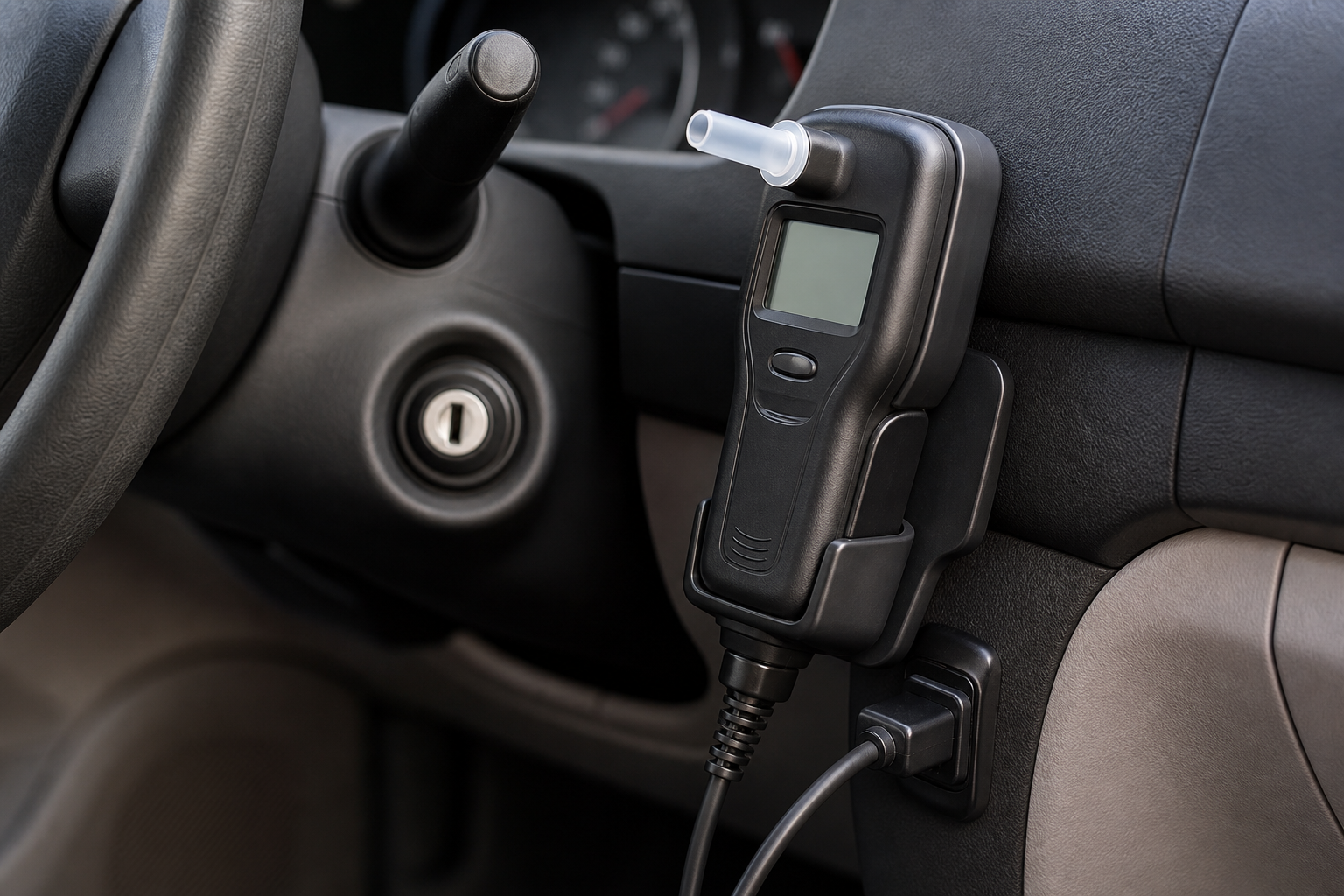
The state’s ignition interlock device program - extended by AB 366 through 2033 - can require drivers convicted of DUI to install a device that won’t let the car start until they pass a breath test.
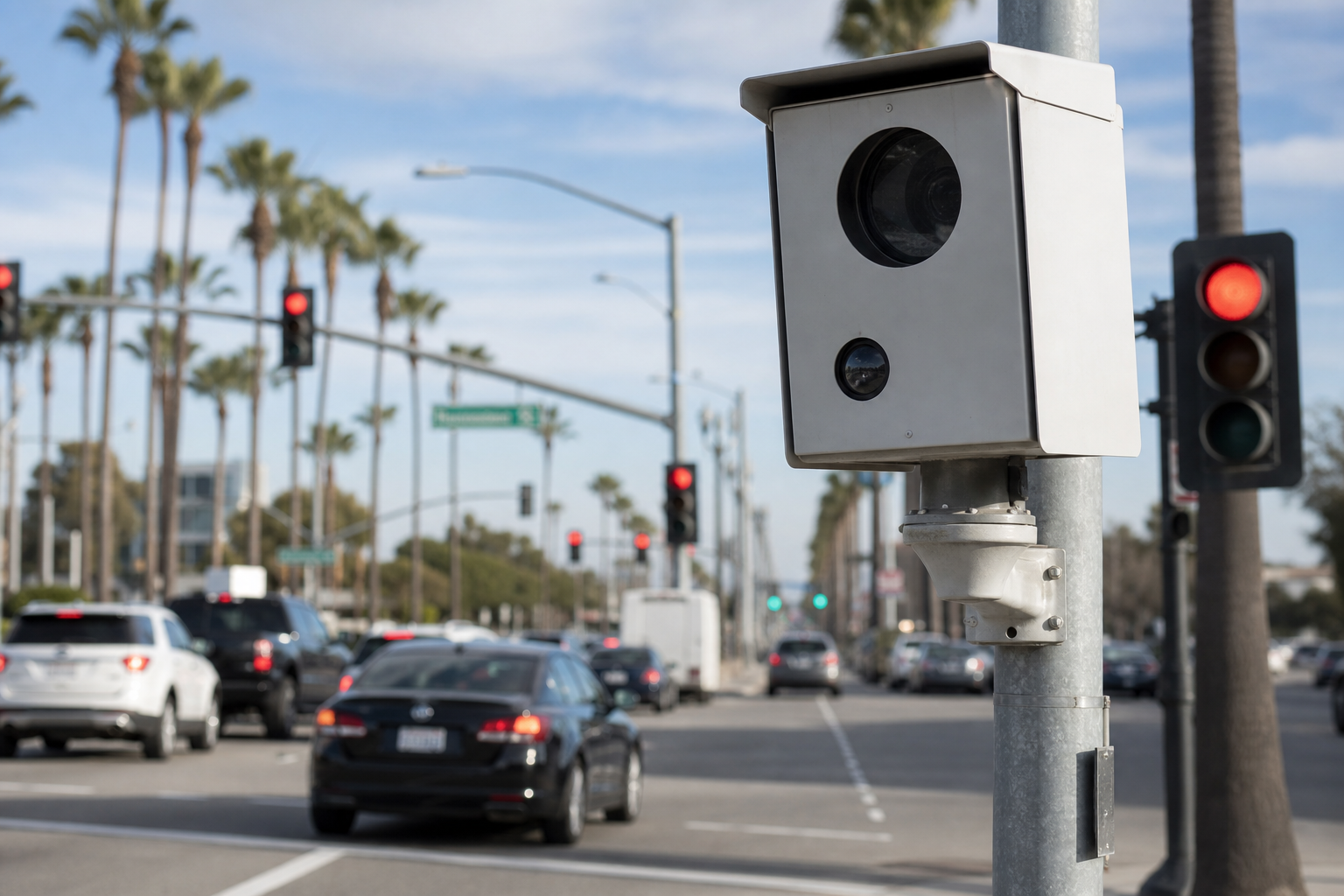
Automated Red-Light Enforcement Is Expanding
California has authorized local governments to use automated cameras to enforce red-light violations. Tickets issued this way are treated as civil penalties - they generally won’t add points to your license or trigger a DMV suspension, but they can still cost you hundreds of dollars.
Watch for local announcements about where new cameras go live in the coming months, particularly at high-collision intersections.
What This Means If You’re in a Crash
These laws don’t just create tickets - they shape liability. Ignoring an expanded Move Over requirement, or driving while impaired, can be powerful evidence of negligence when someone is hurt.
If you’re injured by a driver who broke one of these rules, that violation may strengthen your claim. An experienced attorney can help connect the rule to the harm and hold the responsible party accountable.
Laws change every year, but your right to be safe on the road doesn’t. If a negligent driver caused your injury, Pogosyan Law offers a free, no-obligation consultation to help you understand your options.
Get a Free Consultation with Pogosyan Law
Car Accident Injury Attorneys in Glendale
“Wasn’t It Partly My Fault?” California’s Comparative Negligence Rule
California DMV - New Laws for 2026
California Legislative Information (full statutes)
California Office of Traffic Safety (OTS)
Call (818) 243-3900 or email info@pogosyanlaw.com - 500 N. Brand Blvd, Suite 830, Glendale, CA 91203.
Disclaimer: This article is general information about California law, not legal advice, and does not create an attorney-client relationship. Laws change and every case is different - for guidance on your situation, consult a licensed attorney. Past results do not guarantee future outcomes.