Insurance Bad Faith in Personal Injury Cases: Signs Your Insurer Is Acting Unfairly
When Insurance Companies Fail to Act Fairly
Insurance companies are expected to handle claims honestly, fairly, and in good faith. When an insurer unreasonably delays, denies, or undervalues a valid claim, it may be engaging in what is known as insurance bad faith. In personal injury cases, these practices can significantly impact an injured person’s ability to recover compensation for medical care, lost income, and other damages. Understanding how bad faith operates is essential to protecting your legal rights.
What Is Insurance Bad Faith Under California Law
Insurance bad faith occurs when an insurance company fails to meet its legal obligation to treat policyholders fairly and act in good faith when handling claims. This duty requires insurers to conduct thorough investigations, communicate honestly, and evaluate claims based on the facts and policy terms. When an insurer prioritizes its financial interests over its legal obligations, it may be held accountable for bad faith conduct.
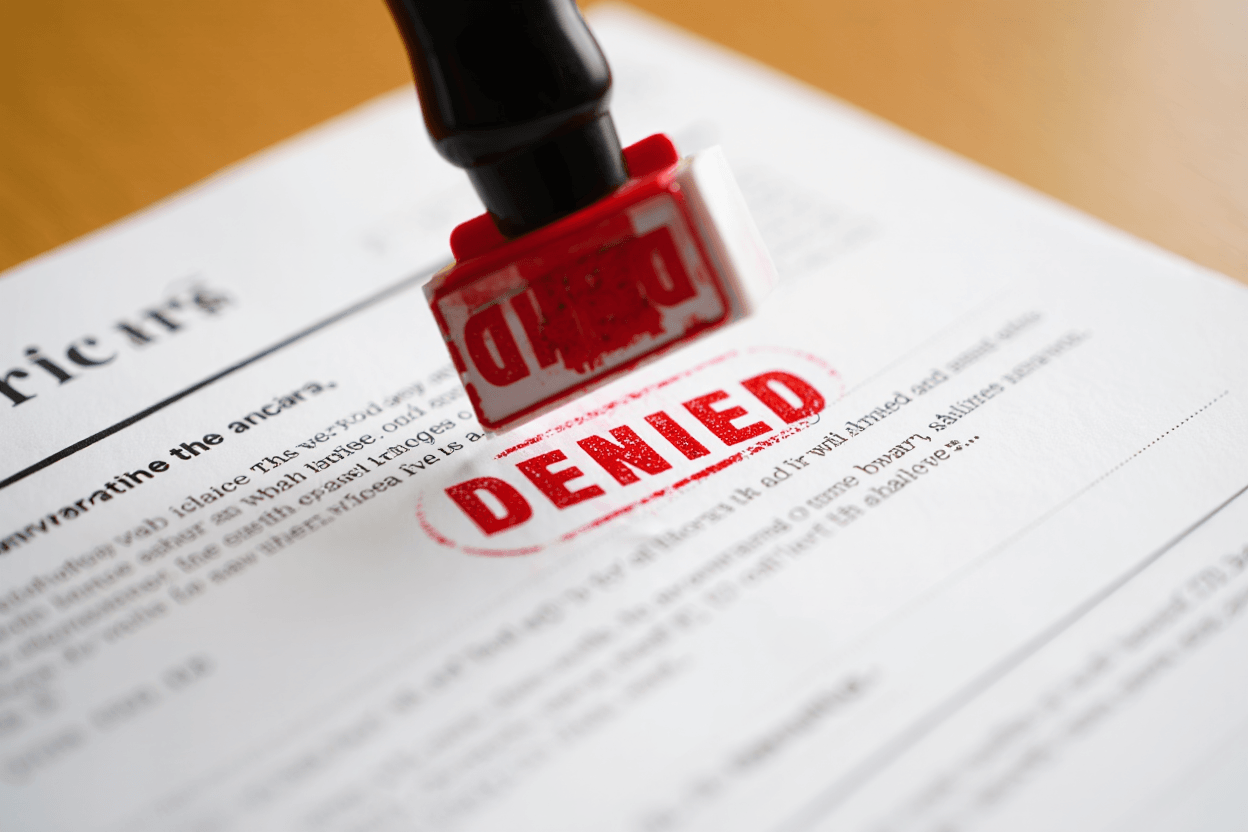
Unreasonable Claim Denials and Misinterpretation of Coverage
One common form of bad faith involves denying a claim without a valid reason or relying on an incorrect interpretation of the insurance policy. Insurers may attempt to apply exclusions that do not clearly apply or misrepresent policy language to justify a denial. In some cases, valid claims are rejected despite clear evidence supporting coverage.


Delays in Processing and Payment
Unnecessary delays are another frequent issue in personal injury claims. Insurance companies may prolong investigations, request excessive documentation, or fail to respond within a reasonable timeframe. These delays can place financial pressure on injured individuals who are dealing with medical bills and lost income, making it more difficult to pursue full compensation.
Failure to Conduct a Proper Investigation
A fair claims process requires a thorough and objective investigation. Bad faith may be present when an insurer ignores key evidence, fails to interview witnesses, or overlooks medical documentation. Incomplete investigations can lead to unfair claim denials or reduced settlement offers that do not reflect the true extent of the injury.
Undervaluing Claims and Ignoring Evidence
Insurance companies sometimes attempt to minimize payouts by undervaluing claims. This may involve disputing the severity of injuries, questioning the necessity of medical treatment, or ignoring long-term impacts such as reduced earning capacity or ongoing care needs. When insurers disregard credible evidence, they may be acting in bad faith.
Lack of Clear Communication
Policyholders have the right to clear and timely communication from their insurance company. Bad faith may occur when insurers fail to explain claim decisions, provide vague or misleading responses, or avoid direct communication altogether. This lack of transparency can make it difficult for individuals to understand their rights and options.


Legal Consequences of Insurance Bad Faith
When an insurance company is found to have acted in bad faith, it may be liable for damages beyond the original claim amount. This can include compensation for additional financial losses caused by the insurer’s conduct, emotional distress, and in some cases, punitive damages intended to deter similar behavior. Holding insurers accountable can play an important role in ensuring fair treatment.
The Importance of Legal Guidance
Insurance bad faith claims are complex and often require a detailed understanding of both insurance law and personal injury principles. Legal guidance can help evaluate whether an insurer’s actions were unreasonable, gather supporting evidence, and pursue appropriate remedies. An experienced attorney can also manage communications with the insurer and advocate for fair treatment throughout the process.
Protecting Yourself Against Unfair Insurance Practices
Insurance companies play a central role in resolving personal injury claims, but they are not always aligned with the interests of injured individuals. Recognizing the signs of bad faith and taking prompt action can help protect your rights and improve the chances of a fair outcome. When insurers fail to meet their obligations, legal action may be necessary to ensure accountability and full compensation.
Additional Resources
For more information, visit the California Department of Insurance, the Insurance Information Institute, and the Nolo’s Insurance Bad Faith resources.