Injured in an Uber or Lyft Accident in California? How Rideshare Insurance Works - and What Changed in 2026

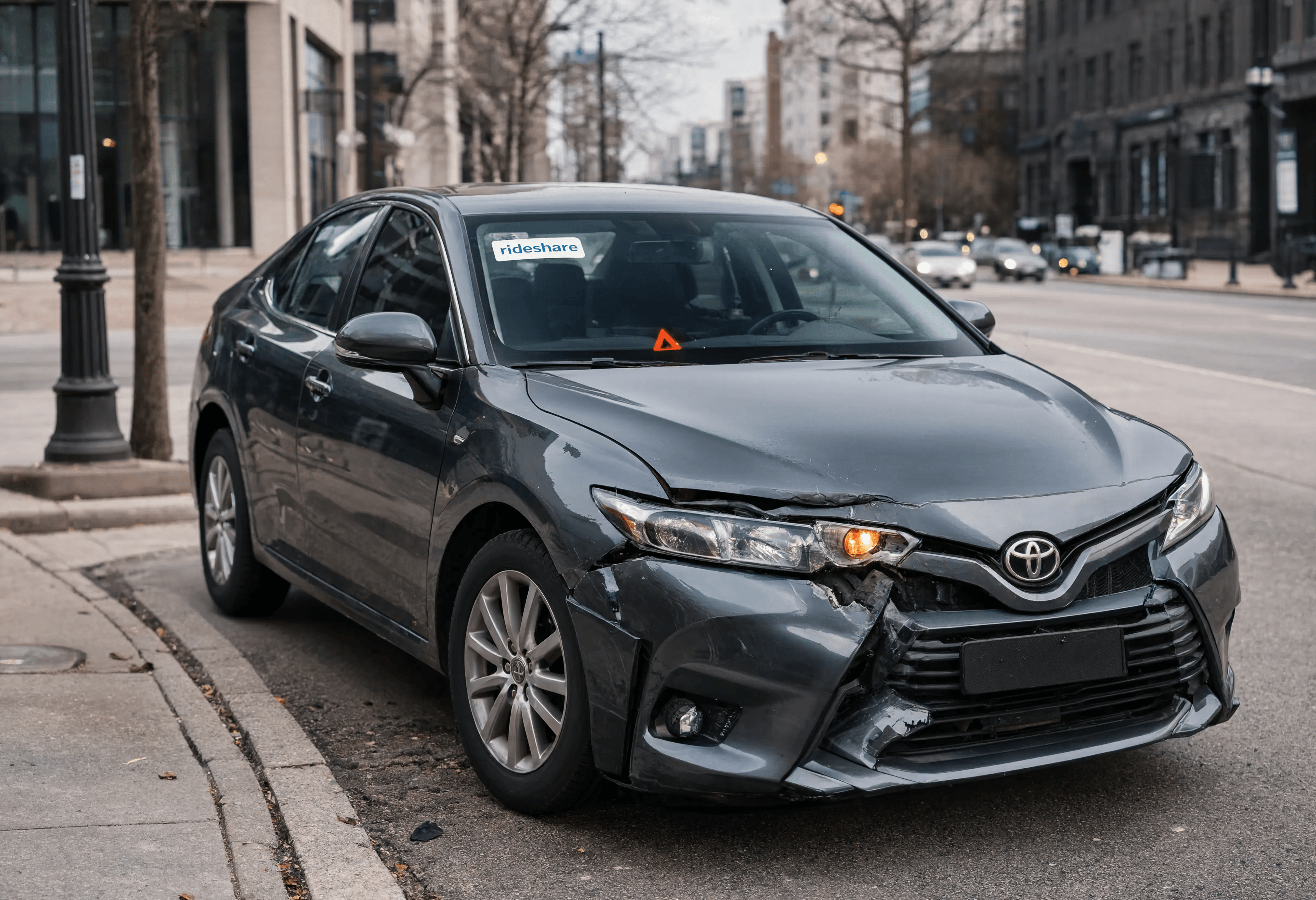
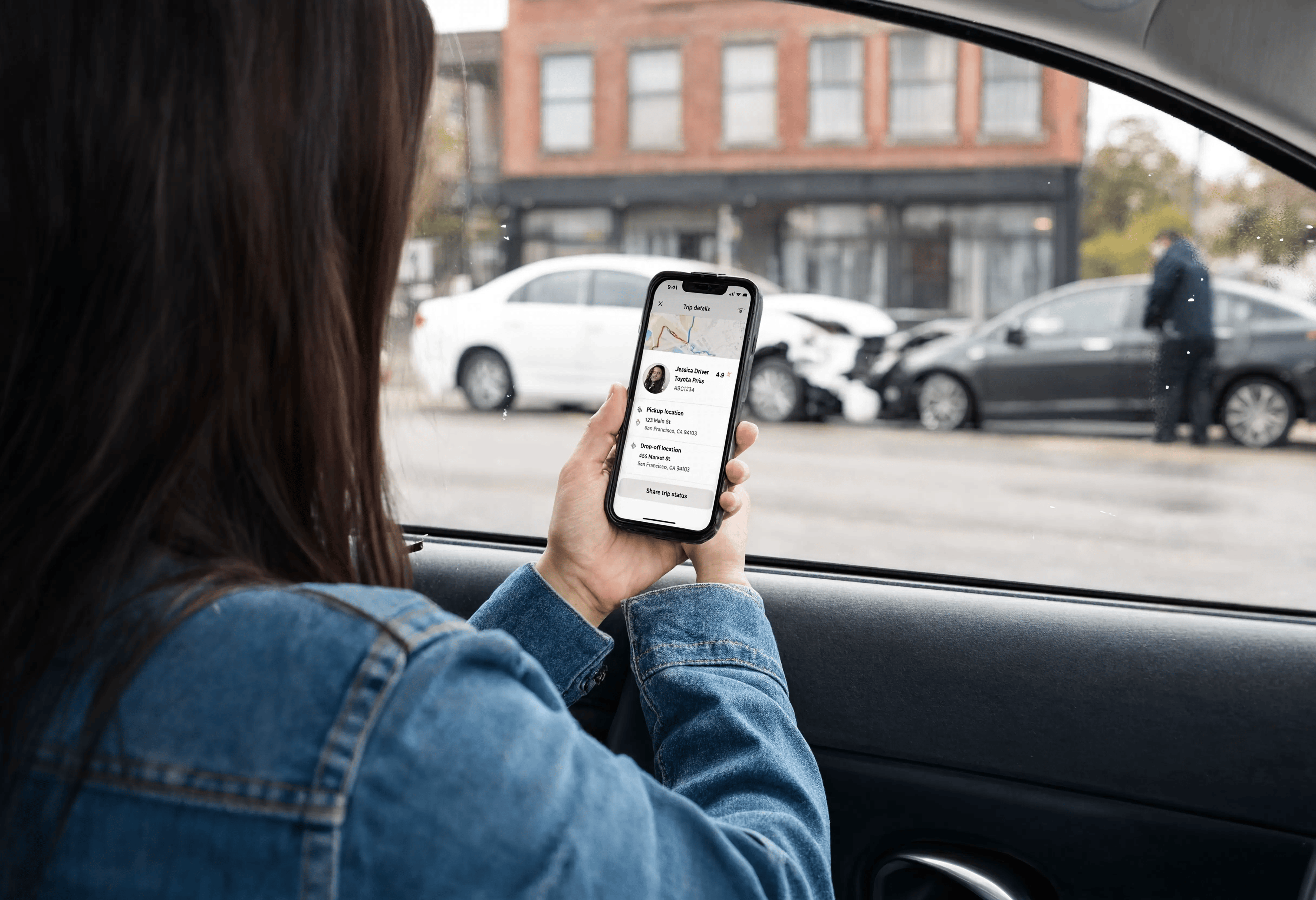
Rideshare crashes produce some of the most confusing insurance questions in California injury law. A single Uber or Lyft accident can involve one, two, or three different insurance policies - and which one applies can depend on what the driver was doing in the exact second before impact. In 2026, a new state law made one part of that picture significantly less protective for passengers.
Here is how rideshare insurance is structured, what recently changed, and what to do if you are hurt.
It All Comes Down to the “Period”
California ties a rideshare driver’s available insurance to which “period” of the trip they were in at the moment of the crash:
Period 1 - App on, no ride accepted: The driver is logged in and waiting. Coverage here is more limited - the platforms provide contingent liability of roughly $50,000 per person, $100,000 per accident, and $30,000 for property damage, generally only if the driver’s personal policy (which usually excludes commercial use) denies the claim.
Periods 2 and 3 - Ride accepted and passenger on board: Once the driver accepts a request (Period 2) or has a passenger in the car (Period 3), a $1 million primary liability policy applies if the rideshare driver causes the crash.
Because the difference between Period 1 and Period 3 can change a case by an order of magnitude, disputes over exactly when the crash happened are common - and worth fighting.
What Changed in 2026
For years, California also required Uber and Lyft to carry $1 million in uninsured/underinsured motorist (UM/UIM) coverage for passengers - the protection that steps in when the driver who caused the crash has no insurance, too little insurance, or flees the scene.
Under recent legislation (Senate Bill 371 and Assembly Bill 1340), that required UM/UIM coverage was sharply reduced - to $60,000 per person, with a much lower per-accident limit - for policies issued or renewed on or after the law’s effective date. Importantly, the $1 million liability coverage when the rideshare driver is at fault did not change. What shrank is the safety net for passengers hurt by an uninsured or hit-and-run third party.
Why These Cases Need Careful Handling
With multiple policies, multiple insurers, and a reduced UM/UIM floor, rideshare claims now require looking beyond the obvious coverage - including the at-fault driver’s own policy, the injured person’s personal UM/UIM coverage, and the precise period allocation. Insurers know the rules are complicated, and that complexity can be used to delay or minimize what they pay.
What to Do After a Rideshare Accident
If you were hurt in an Uber or Lyft crash, the coverage analysis is rarely simple - especially under the 2026 rules. Pogosyan Law can help identify every layer of available coverage. Your consultation is free.
Get a Free Consultation with Pogosyan Law
Car Accident Attorneys in Glendale
California Public Utilities Commission (rideshare / TNC regulation)
California Department of Insurance
Call (818) 243-3900 or email info@pogosyanlaw.com - Glendale, CA.
Disclaimer: This article is general information about California law, not legal advice, and does not create an attorney-client relationship. Laws change and every case is different - for guidance on your situation, consult a licensed attorney. Past results do not guarantee future outcomes.