Injured by Violence on Someone Else's Property: Negligent Security Claims in California
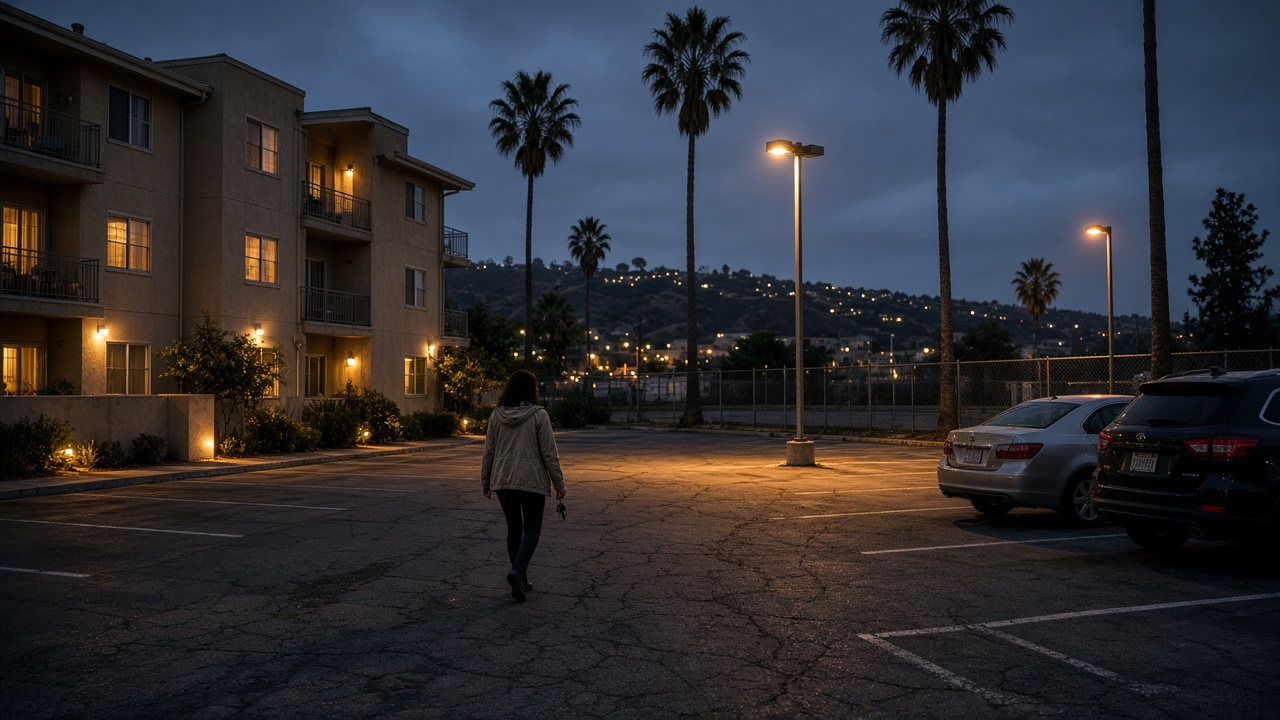
When a person is assaulted, robbed, or attacked at an apartment complex, parking garage, nightclub, or store, the obvious wrongdoer is the attacker. But there is often a second question that surprises victims: could the property owner have prevented it? In California, when a business or landlord fails to provide reasonable security and a foreseeable crime results, that owner may share legal responsibility.
This area of law is called negligent security. Here is how it works and what victims should know.
What Is Negligent Security?
Negligent security is a type of premises liability claim. California property owners have a legal duty to keep their premises reasonably safe for the people they invite in - and in some circumstances, that duty includes taking reasonable steps to protect against foreseeable criminal acts by third parties. When an owner ignores an obvious risk and someone is harmed as a result, the victim may have a claim against the property owner in addition to any claim against the attacker.
The Key Question: Was the Crime Foreseeable?
These cases often turn on foreseeability. If violent crime had happened before on or near the property, if the area was known to be high-risk, or if the owner had received complaints or warnings, a similar crime becomes foreseeable - and the owner’s duty to guard against it grows. A single, truly random act in a place with no history of danger is harder to pin on the owner; a pattern of prior incidents that the owner ignored is a very different story.

What “Reasonable Security” Can Look Like
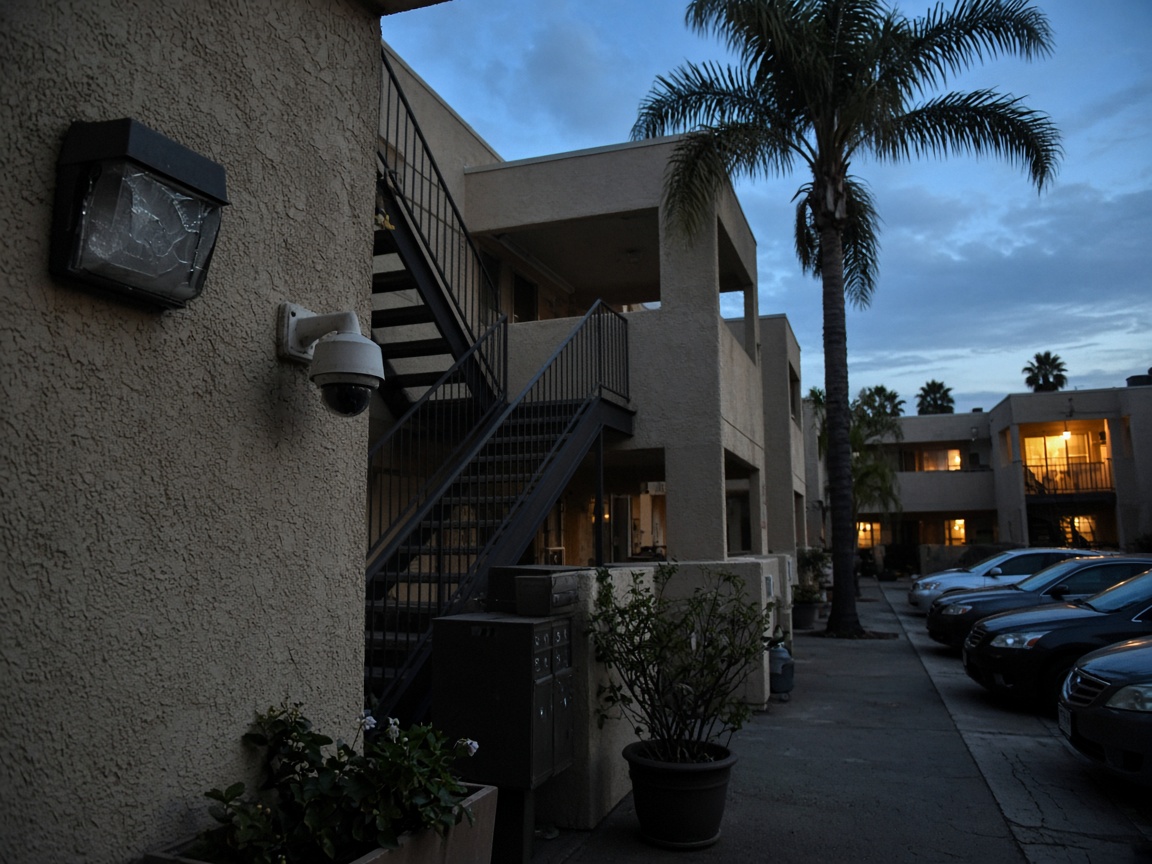
What counts as reasonable depends on the property and the risk, but common measures include:
When an owner fails to provide security a reasonable person would have in the same situation, and that failure leads to harm, liability can follow.
Where These Claims Arise
Negligent security claims come up in many settings - apartment complexes, hotels and motels, parking structures, bars and nightclubs, shopping centers, and offices. Victims of assault, robbery, and other violence in these places are often unaware that the property owner may bear responsibility, and that pursuing a claim can be a crucial source of recovery when the attacker is unknown or unable to pay.
If You Have Been Hurt
If you were attacked on someone else’s property, your health comes first - get medical care and report the crime to police. Then preserve what you can: note the conditions, photograph poor lighting or broken security, and identify any witnesses. An attorney can investigate the property’s history and determine whether the owner failed in its duty to keep you safe.
Being harmed by violence is traumatic enough without facing it alone. If you were injured on another party’s property in California, the team at Pogosyan Law offers a free, no-obligation consultation to review whether a negligent-security claim may apply.
Get a Free Consultation with Pogosyan Law
Premises Liability & Personal Injury
California Courts - Self-Help Center
California Legislative Information
Call (818) 243-3900 or email info@pogosyanlaw.com - Glendale, CA.
Disclaimer: This article is general information about California law, not legal advice, and does not create an attorney-client relationship. Laws change and every case is different - for guidance on your situation, consult a licensed attorney. Past results do not guarantee future outcomes.