Hit by a Driverless Car in Los Angeles? Who's Liable When a Waymo or Robotaxi Causes a Crash in California
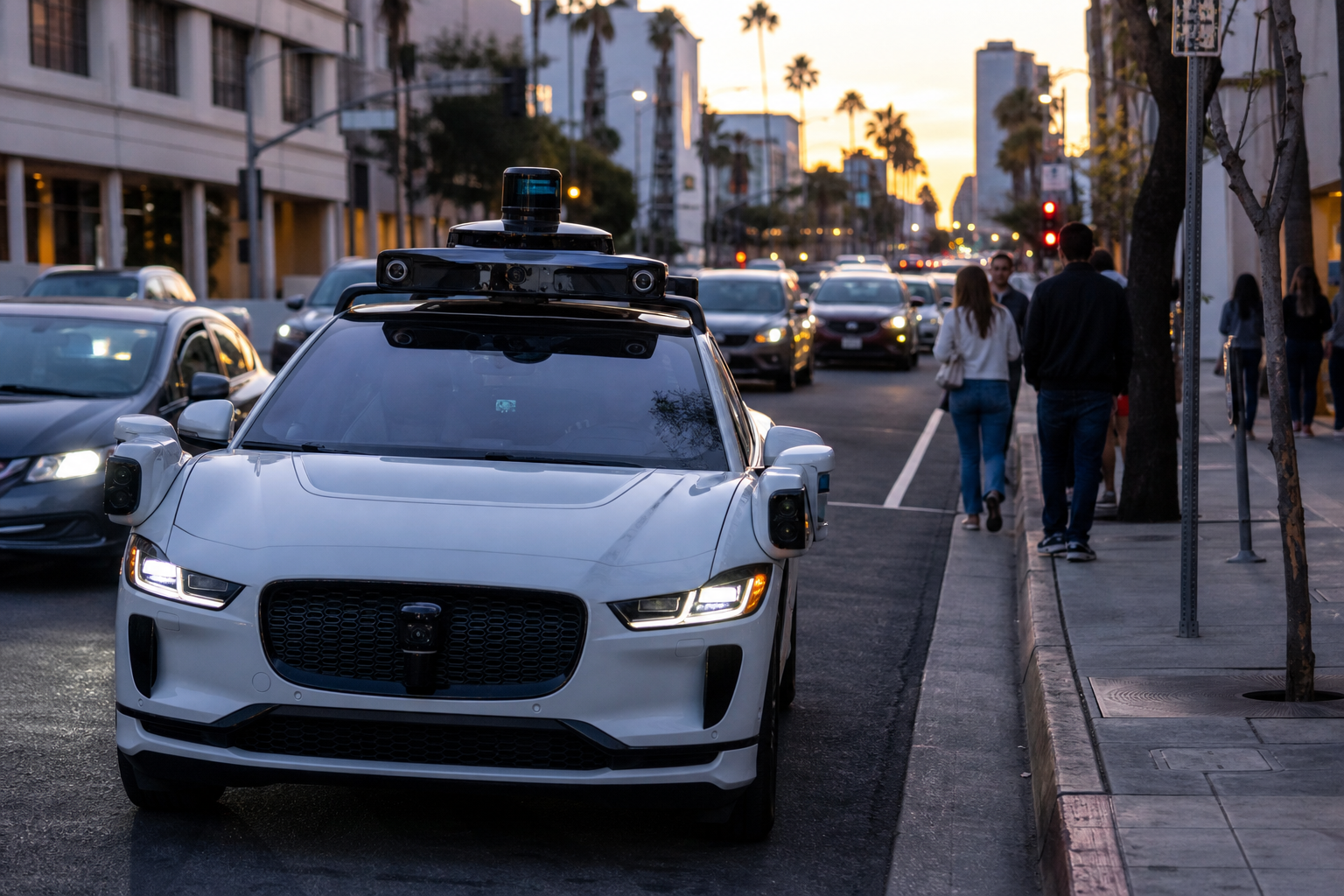
A few years ago, sharing the road with a car that has no one behind the wheel sounded like science fiction. Today it is an ordinary part of the Los Angeles commute. Driverless robotaxis now pick up passengers and merge through traffic across much of the L.A. basin - and as their numbers climb, so does the chance that one is involved in a collision. If a driverless vehicle hits you, the first question is often the most confusing: who do you even hold responsible when there was no driver?
The answer is different from an ordinary car accident, and it matters a great deal to your recovery. Here is what is actually happening on California roads, who can be held accountable when a robotaxi causes harm, and how to protect your claim.
Robotaxis Are No Longer a Novelty on L.A. Streets
After California regulators cleared driverless passenger service to expand into Los Angeles, deployment moved quickly from limited testing to full commercial operation open to the public. Hundreds of autonomous vehicles now operate across a wide service area, from the Westside to Downtown, sharing the same crowded boulevards, aggressive merges, construction detours, and school zones as everyone else. Competing companies are racing to launch their own fleets, which means the number of self-driving cars on Southern California streets is only going to grow.
More vehicles means more contact with human drivers, cyclists, and pedestrians - and a growing number of incidents that end up as injury claims.
Why a Driverless Crash Is a Different Kind of Case
In a normal collision, you look to the other driver and their insurance. A robotaxi crash removes the human driver from that equation, and the legal analysis shifts toward the company and the technology behind the vehicle. Instead of a single negligent motorist, responsibility often runs to one or more businesses - and frequently more than one at the same time.
That shift usually brings product liability into the picture. Under California law, a company that designs, manufactures, or deploys a defective product can be held strictly liable when that defect causes injury - whether the flaw is in the design, the manufacturing, or a failure to warn. When a self-driving system misreads a crosswalk, fails to yield, or brakes too late, the argument is that the vehicle operated in an unsafe or defective way. Traditional negligence claims can apply too - for example, when the operator failed to properly monitor, maintain, or remotely intervene with the vehicle.
Who Can Be Held Responsible
Because these vehicles are built, operated, and maintained by different entities, several parties may share the blame:
Sorting out which of these parties is responsible - and to what degree - is exactly what makes these cases complex, and why they are handled very differently from a standard fender-bender.
California's Rules for Autonomous Vehicles Are Catching Up
State regulators have begun building a framework specifically for driverless cars. Companies running autonomous passenger service in California are required to carry substantially higher liability insurance than an ordinary driver - a commercial policy measured in the millions of dollars - precisely because of the unpredictable risks of new technology. For someone catastrophically injured, that larger policy can be an important source of recovery.
California has also moved to require autonomous vehicles to share collision data with first responders and to hold manufacturers accountable when a vehicle fails to meet safety or operational standards. These rules are still developing, and the companies behind these fleets defend their safety records aggressively - often pointing the finger at the other driver or the pedestrian rather than acknowledging that their system failed.
The Evidence These Cases Turn On
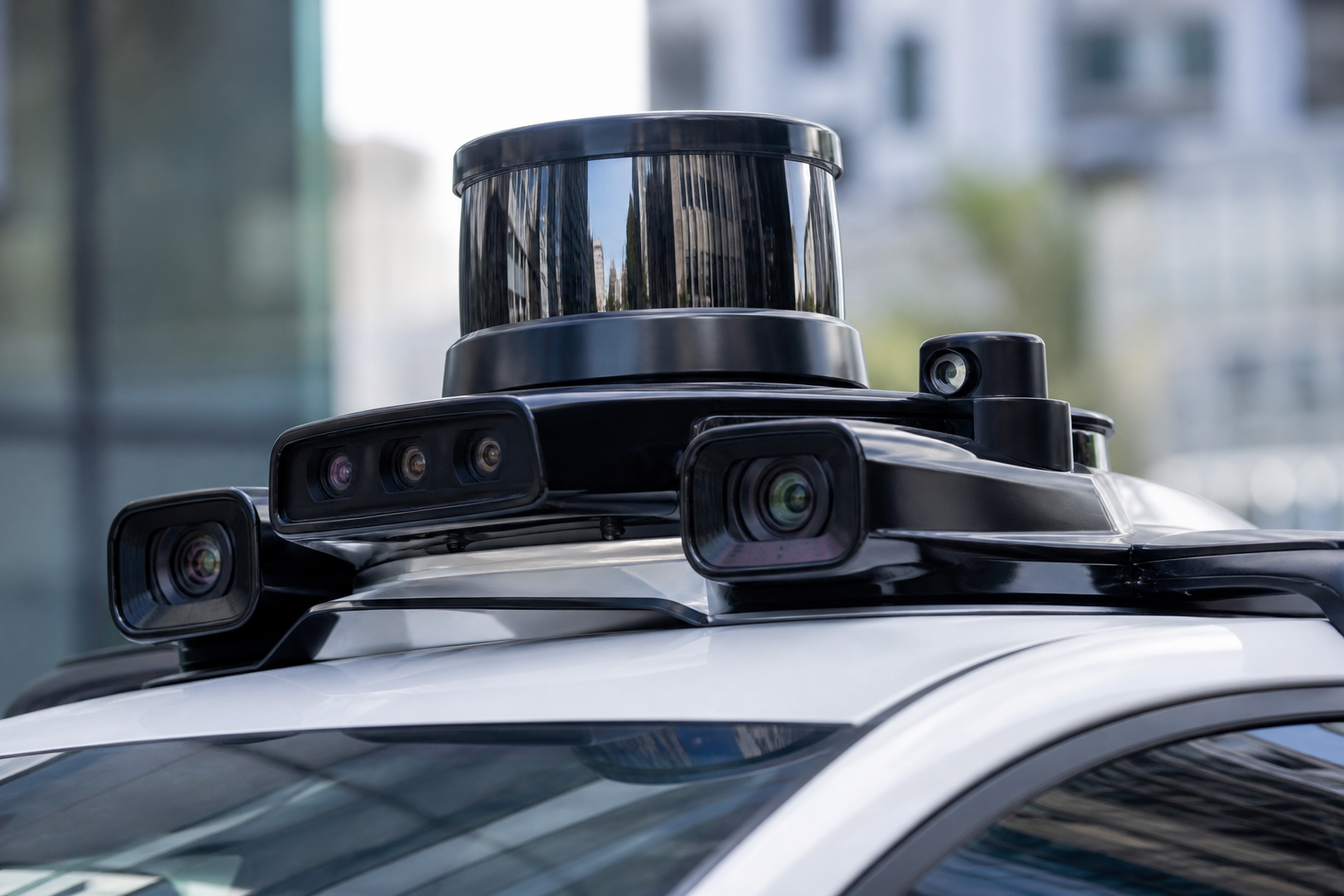
Driverless-car claims live and die on digital evidence. These vehicles constantly record sensor data, camera footage, and system logs that can show exactly what the car “saw” and how it responded in the seconds before impact. That data is controlled by the company - and it will not necessarily be preserved unless someone acts quickly to demand it. The sooner an attorney can move to secure this evidence, the stronger your case tends to be.
What to Do If a Robotaxi Hits You
If you are struck by a driverless vehicle, or injured while riding in one, protect yourself the way you would in any serious crash - and then some:
Because the evidence is digital and the responsible parties are well-funded corporations, it is wise to speak with an attorney promptly.
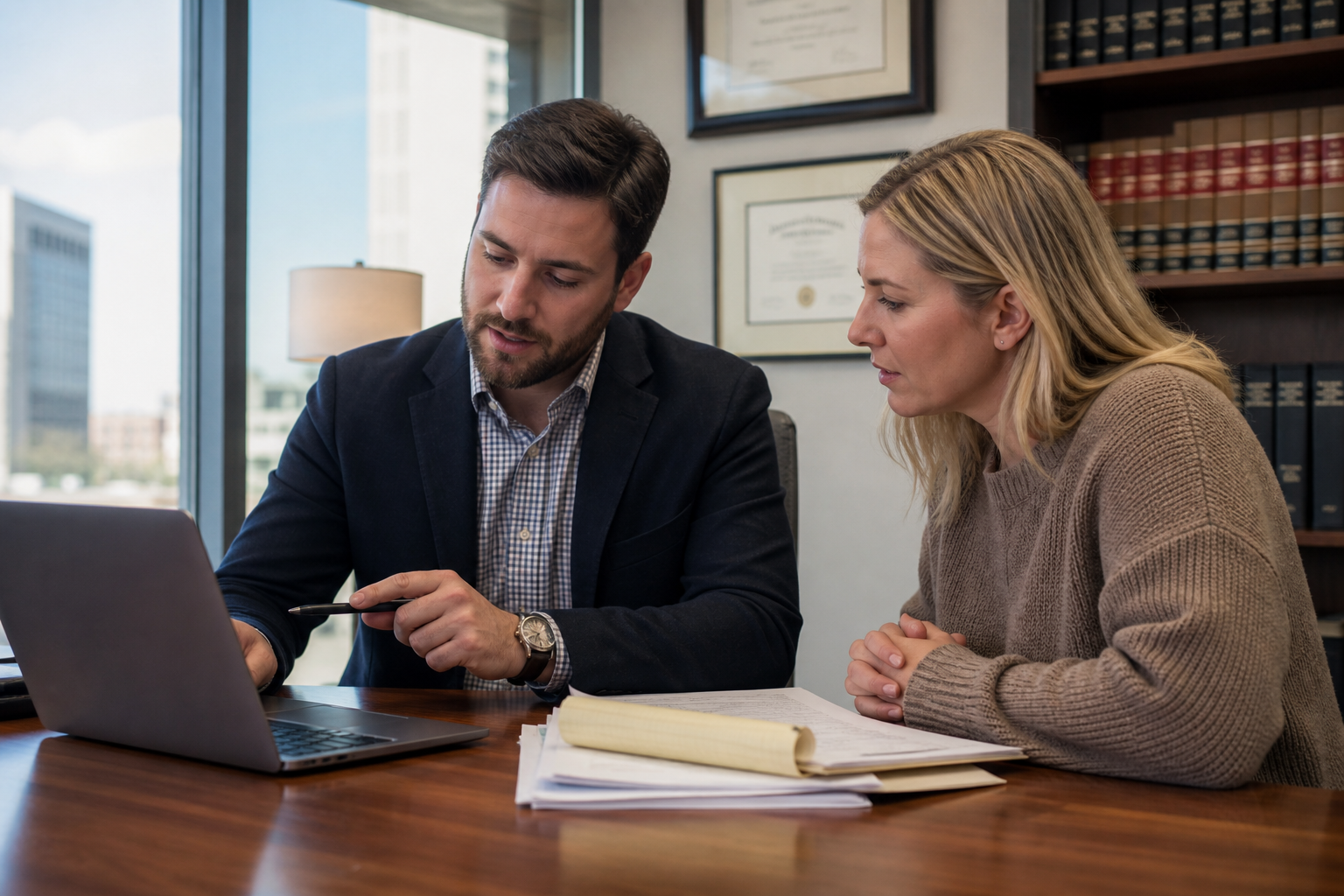
If a driverless car has upended your life, you should not have to untangle California’s evolving autonomous-vehicle laws on your own. The team at Pogosyan Law offers a free, no-obligation consultation and can move quickly to preserve the evidence these cases depend on.
Get a Free Consultation with Pogosyan Law
Car Accident Attorneys in Glendale
Dangerous & Defective Product Claims
California DMV - Autonomous Vehicles
California Public Utilities Commission - Autonomous Vehicle Programs
Call (818) 243-3900 or email info@pogosyanlaw.com - 500 N. Brand Blvd, Suite 830, Glendale, CA 91203.
Disclaimer: This article is general information about California law, not legal advice, and does not create an attorney-client relationship. Laws change and every case is different - for guidance on your situation, consult a licensed attorney. Past results do not guarantee future outcomes.