E-Bikes and California’s New 2026 Rules: What Every Parent and Rider Needs to Know

E-bikes have become a summer fixture across Glendale and greater Los Angeles - quick, affordable, and hugely popular with teenagers. But they move faster than most people realize, and as ridership has climbed, so have serious injuries. California rolled out a series of e-bike law changes for 2026, and they matter for riders, drivers, and especially parents. Here’s what changed, and why it’s important.
Why Lawmakers Acted
E-bike injuries have been rising across the country as these bikes share busy streets, bike lanes, and sidewalks. Federal data point to tens of thousands of e-bike injuries each year, a meaningful share serious enough to require hospitalization.
Because e-bikes are heavier and faster than traditional bicycles, crashes tend to be more severe - with more head, spine, and internal injuries. California’s 2026 updates are aimed squarely at closing safety gaps.
The Key 2026 Changes
Several new rules took effect this year. The most important for families are straightforward.
The “It’s Not Really an E-Bike” Trap
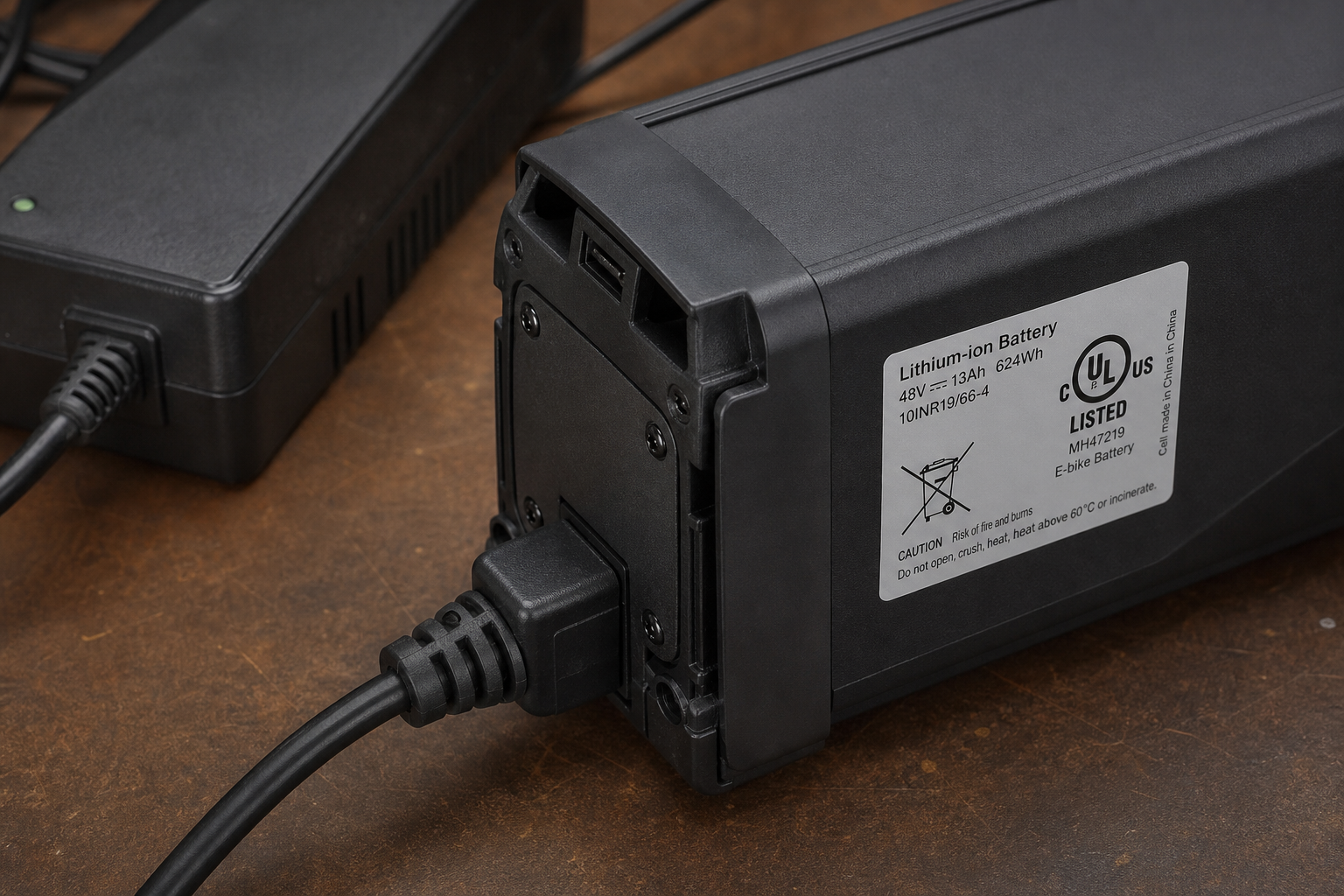
California’s Attorney General has warned that many two-wheelers marketed as “e-bikes” aren’t. A bike modified - or built - to exceed 750 watts, or to travel faster than the legal limits of 28 mph pedal-assist or 20 mph on throttle, can legally become a motorcycle or moped, requiring licensing and registration.
Riding one of those without the proper license can carry motor-vehicle penalties - and it can change everything about who is liable after a crash.
What Parents Should Know About Liability
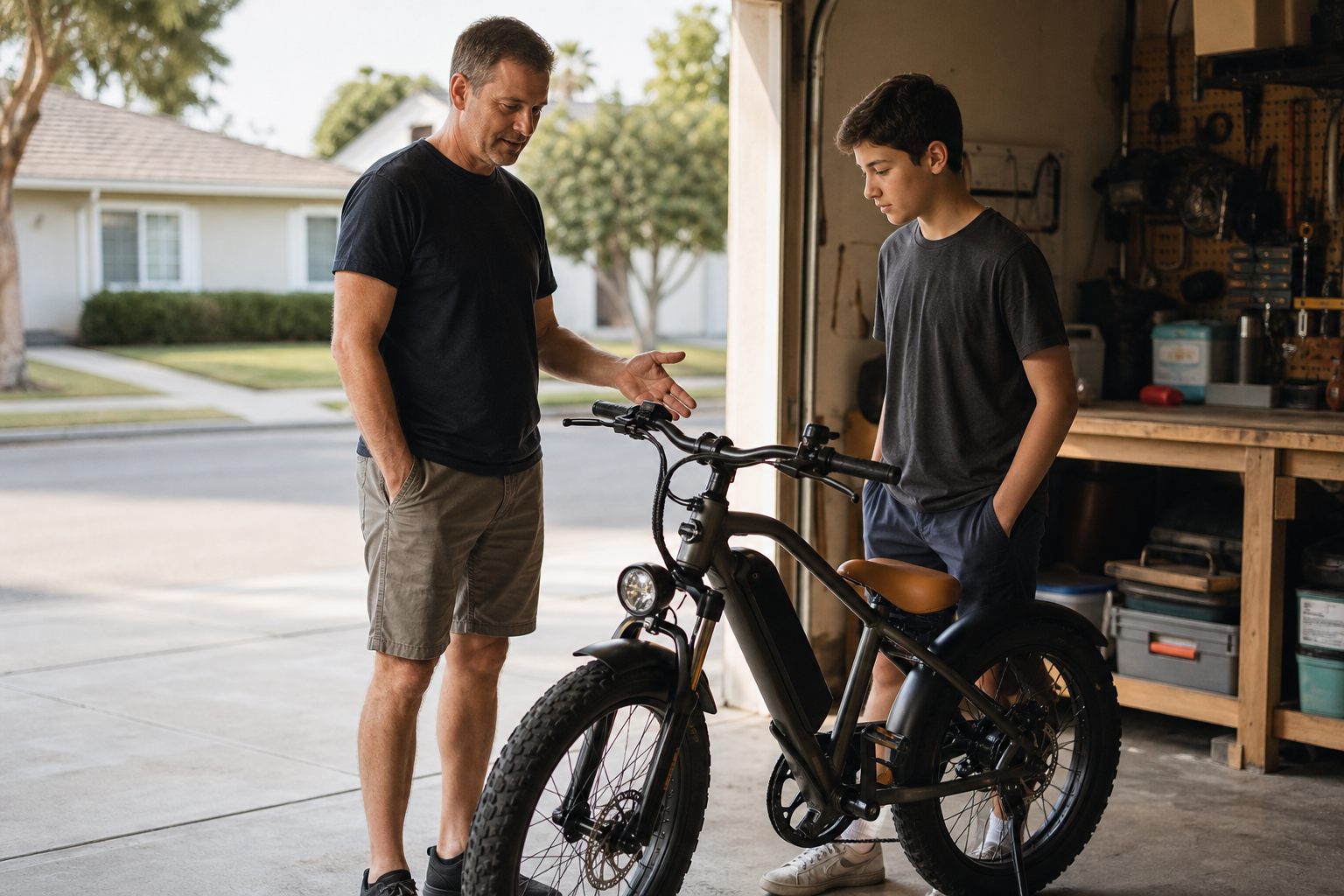
California law can reach parents directly when a minor causes a serious crash.
If you or your child has been hurt in an e-bike crash - or you’ve been struck by one - the rules can get complicated fast. Pogosyan Law offers a free, no-obligation consultation to help you understand your rights.
Get a Free Consultation with Pogosyan Law
Bicycle Accident Injury Attorneys in Glendale
Product Liability in California: When a Defective Product Injures You
California Attorney General - E-Bike Consumer Alert
California DMV - Bicycles & E-Bikes
California Legislative Information (full statutes)
Call (818) 243-3900 or email info@pogosyanlaw.com - 500 N. Brand Blvd, Suite 830, Glendale, CA 91203.
Disclaimer: This article is general information about California law, not legal advice, and does not create an attorney-client relationship. Laws change and every case is different - for guidance on your situation, consult a licensed attorney. Past results do not guarantee future outcomes.