Darker Commutes, More Crashes: What the End of Daylight Saving Time Means for California Drivers and Pedestrians
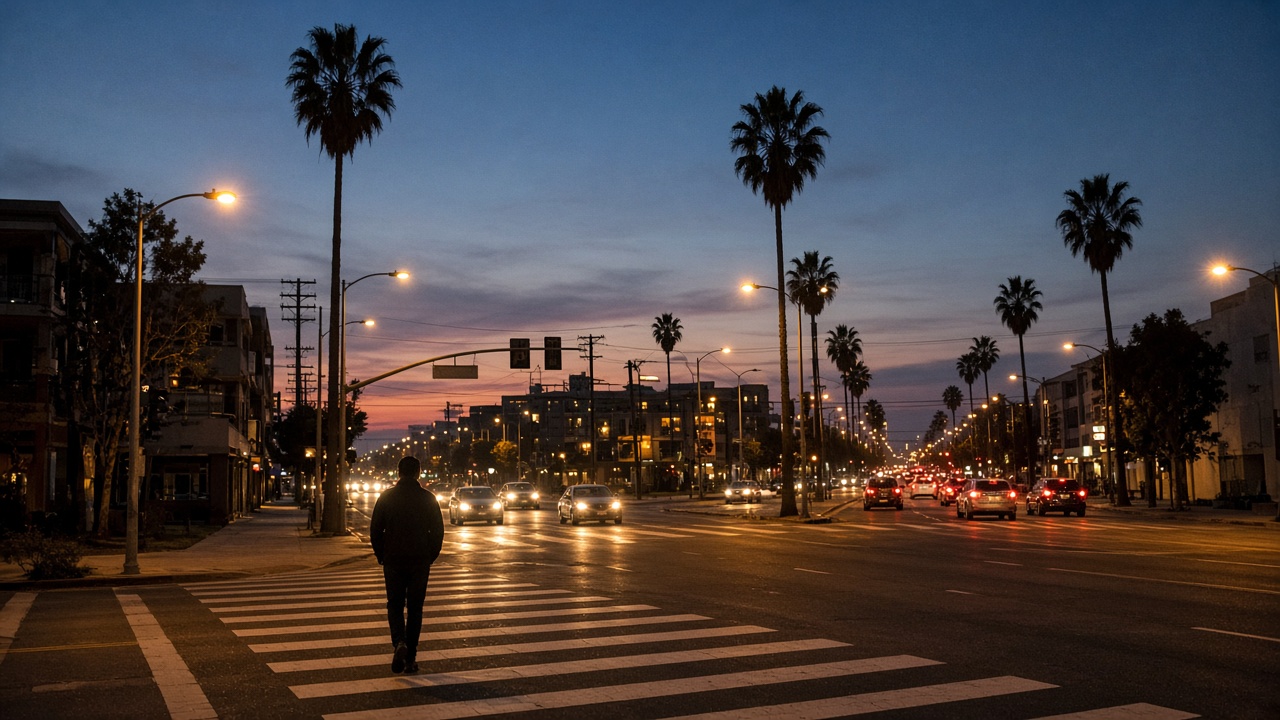
On Sunday, November 1, 2026, clocks “fall back” and daylight saving time ends - and with it, the evening commute suddenly happens in the dark. It is a small change on the calendar that has an outsized effect on the roads. The weeks after the time change are consistently among the most dangerous of the year for drivers and, especially, for pedestrians.
Here is why the darker season raises the risk, and how both drivers and people on foot can stay safer through the fall and winter.
Why “Falling Back” Makes the Roads More Dangerous
The problem is timing. After the change, peak evening traffic collides with sunset, so the busiest driving hours now happen in low light. Pedestrians who were easy to see at 5:30 p.m. a week earlier are suddenly hard to spot. Safety researchers have long linked darkness to a sharp rise in pedestrian deaths - the large majority of fatal pedestrian crashes happen in the dark - and November is routinely one of the worst months of the year for them. Glare, fatigue, and the adjustment to earlier darkness all add to the danger.
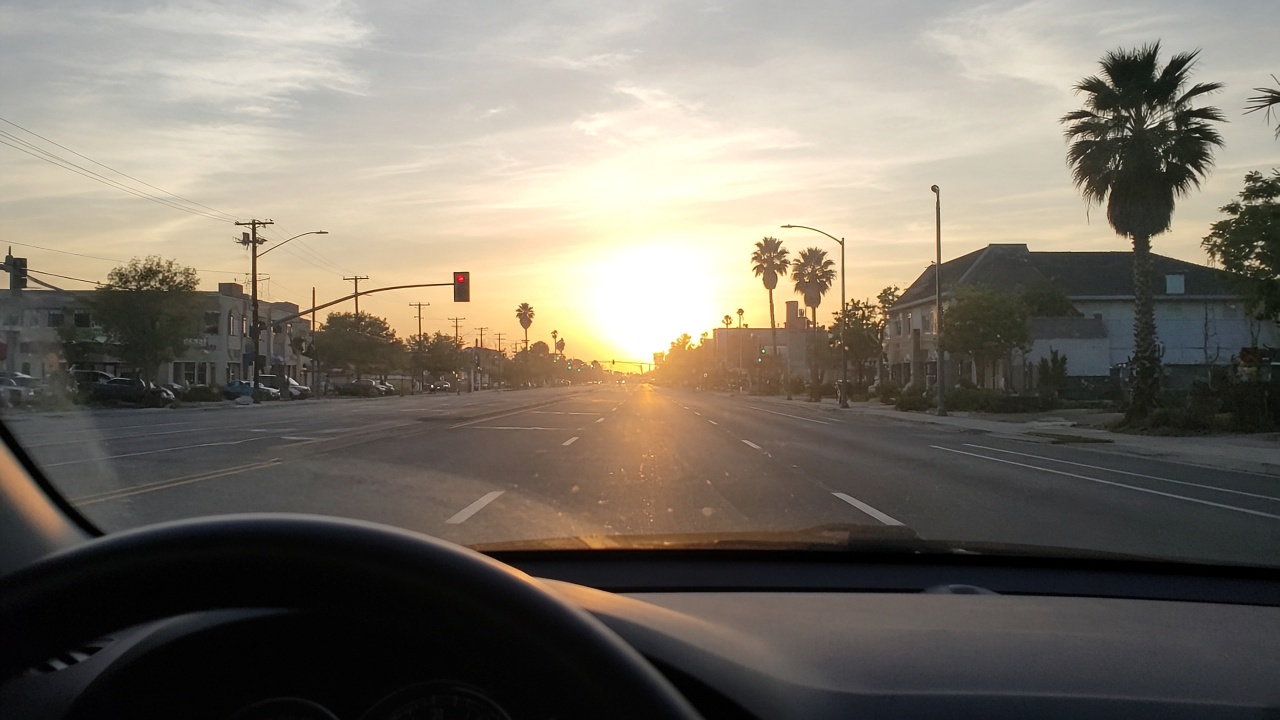
For Drivers: Adjusting to the Dark
A few habits go a long way once the clocks change:
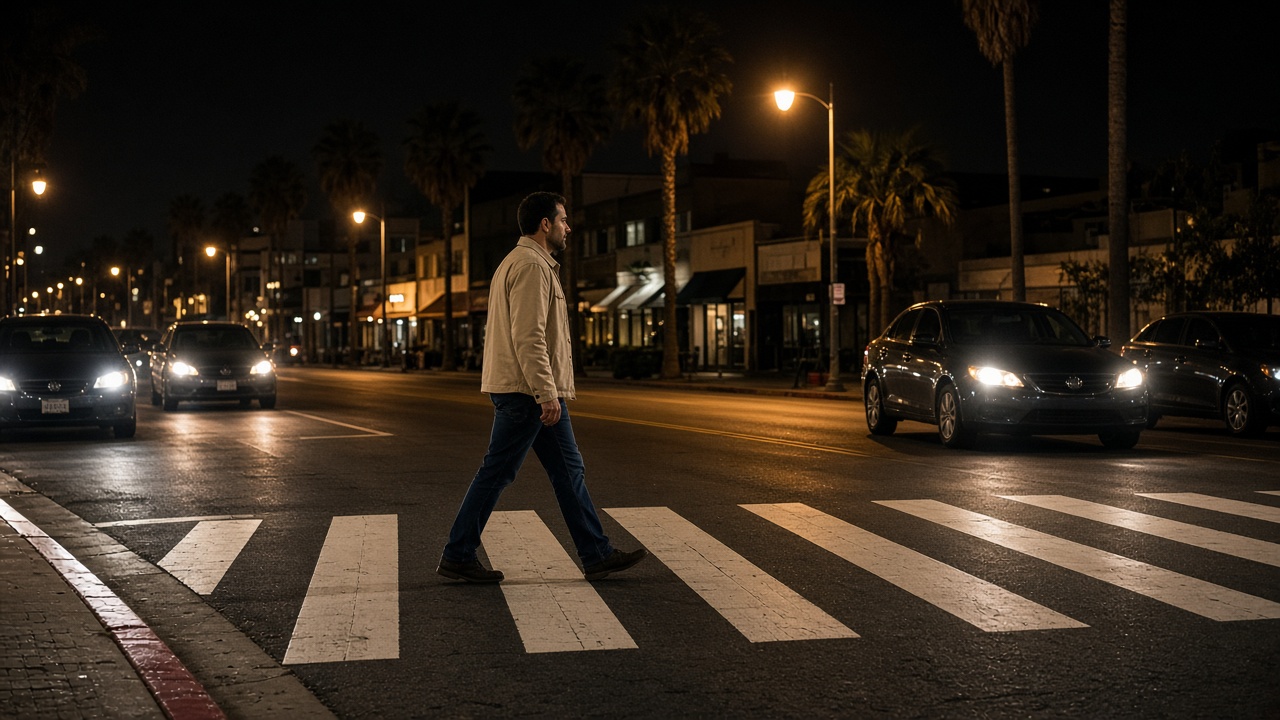
For Pedestrians: Being Seen
People on foot can lower their own risk by wearing light or reflective clothing after dark, carrying a phone light, crossing only at marked crosswalks and corners, and making eye contact with drivers before stepping out. Still, under California law a driver's duty to exercise care does not disappear when the sun goes down. If you are struck while walking, the fact that it was dark does not automatically make it your fault - and California's comparative-negligence rule means you may recover compensation even if you are found partly at fault.
The darker months bring more crashes - and more questions about who is responsible. If you or a loved one is injured as a driver or pedestrian this fall or winter in California, Pogosyan Law offers a free consultation to protect your rights and your recovery.
Personal Injury Practice Areas - Pogosyan Law
Website by Inspirovate Creatives
IIHS - Dark Roadways Are Deadly
California Office of Traffic Safety - Pedestrian Safety
Call (818) 243-3900 or email info@pogosyanlaw.com - Glendale, CA, representing injured clients across California since 1999.
Disclaimer: This article is general information about California law, not legal advice, and does not create an attorney-client relationship. Laws change and every case is different - for guidance on your situation, consult a licensed attorney. Past results do not guarantee future outcomes.