Car Accident Injury Lawsuits: What Injured Drivers and Passengers Should Know

Why Car Accident Lawsuits Matter
Car accidents are one of the most common causes of personal injury claims in California. While some collisions result in minor inconvenience, many lead to serious physical injuries, emotional distress, and long-term financial consequences. Understanding how car accident injury lawsuits work is essential for protecting your rights and securing fair compensation after an accident.
Common Causes of Car Accidents in California
Most car accidents occur because a driver fails to act with reasonable care. Speeding, distracted driving such as texting or using a phone, driving under the influence of alcohol or drugs, and ignoring traffic signals are frequent causes of serious crashes. In some situations, accidents may also involve external factors such as unsafe road conditions, vehicle defects, or poor weather. Determining the exact cause of an accident is a key step in establishing legal responsibility.
Legal Responsibility and Duty of Care
California law requires every driver to operate a vehicle safely and responsibly. This legal obligation is known as the duty of care. When a driver breaches this duty and causes an accident, they may be held financially liable for resulting injuries and damages.
California follows a pure comparative fault system. This means an injured person can still recover compensation even if they were partially responsible for the accident. However, the total compensation awarded is reduced by the percentage of fault assigned to that individual.

Who Can File a Car Accident Injury Lawsuit
A car accident injury lawsuit may be filed by injured drivers, passengers in either vehicle, pedestrians, cyclists, or family members in cases involving wrongful death. Passengers, in particular, are often entitled to compensation because they are rarely at fault for a collision. The right to file a claim depends on proving that another party’s negligence contributed to the injuries.
Types of Compensation Available
Compensation in car accident cases is intended to cover both financial losses and personal suffering. Economic damages may include medical expenses, ongoing rehabilitation costs, lost income, reduced earning capacity, and vehicle repair or replacement. Non-economic damages address the physical pain, emotional distress, loss of enjoyment of life, and long-term disability that may result from serious injuries. In cases involving permanent harm, future medical care and long-term support may also be considered.
The Role of Insurance Companies
Insurance companies often seek to resolve car accident claims quickly and for as little money as possible. Early settlement offers may not reflect the true extent of injuries or future medical needs. Insurers may also attempt to shift partial blame onto the injured party to reduce the amount they are required to pay. Because of these tactics, legal guidance is often critical to ensuring fair treatment.
Proving Liability and Damages
Successfully pursuing a car accident injury claim requires strong evidence. Police reports, medical records, witness statements, traffic camera footage, and expert evaluations all play an important role in proving who caused the accident and the extent of the injuries. Acting quickly after a collision helps preserve this evidence and strengthens a potential lawsuit.

What to Do After a Car Accident
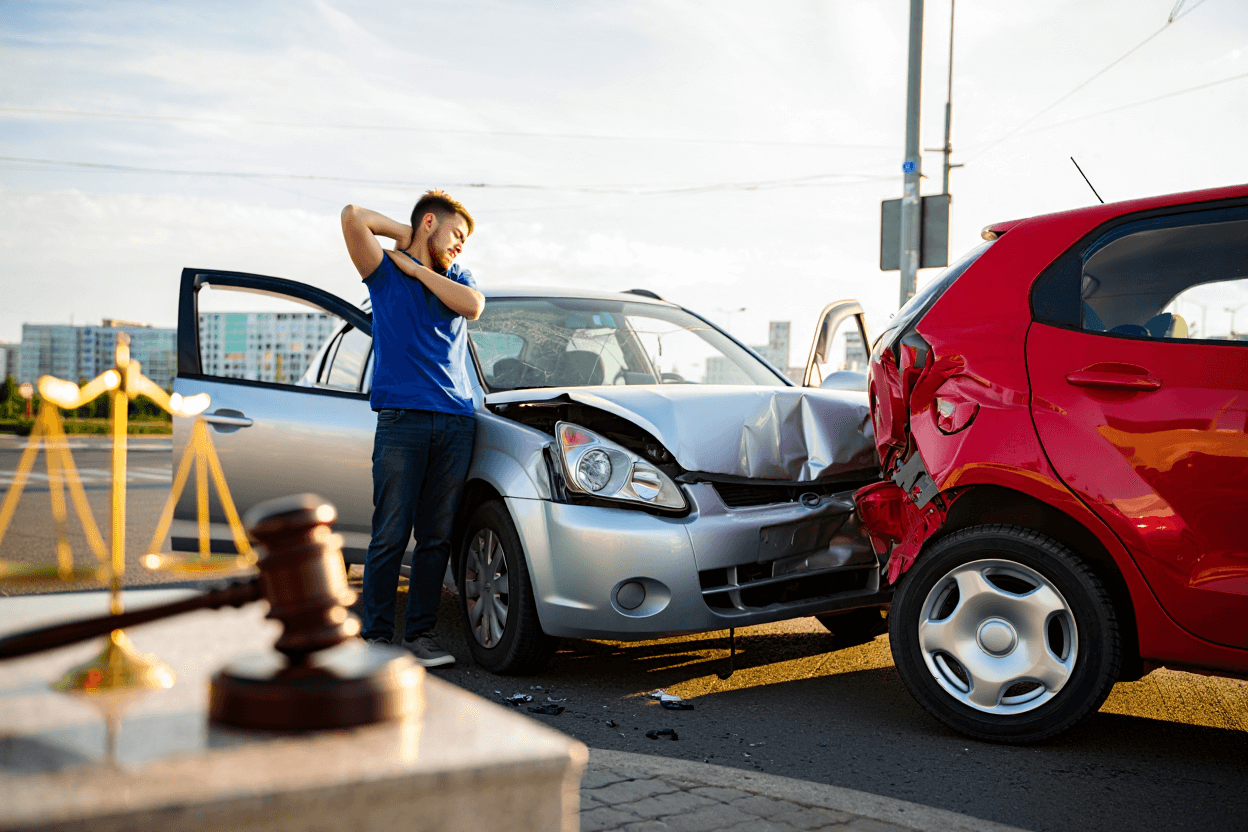
Taking the right steps immediately after an accident can significantly impact a legal claim. Seeking medical care right away protects your health and creates important documentation. Reporting the accident to law enforcement, documenting injuries and damage, and being cautious when speaking with insurance companies can help protect your legal rights.
Protecting Your Rights After an Accident
Car accident injury lawsuits can be complex, particularly when serious injuries or shared fault are involved. Understanding California law, preserving evidence, and approaching insurance claims carefully can make a meaningful difference in the outcome of a case. Injured drivers and passengers who act promptly are in a stronger position to recover fair compensation.
Additional Resources
For more information, visit the California Courts Self-Help Center, and Nolo’s Car Accident Law Guide.