California Raised Its Minimum Car Insurance Limits: What SB 1107 Means for Accident Victims

For the first time in over half a century, California has raised the minimum amount of car insurance every driver must carry. It is a change that quietly affects anyone who drives - and it matters most if you are ever injured in a crash.
Here is what changed under Senate Bill 1107, why it is good news for accident victims, and why even the new, higher limits may still fall short after a serious collision.
What Actually Changed
On January 1, 2025, California’s minimum liability coverage increased under Senate Bill 1107 - known as the Protect California Drivers Act. For the first time since 1967, the required minimums went up from the old “15/30/5” to “30/60/15.” In plain terms, every standard auto policy must now carry at least:
Your uninsured and underinsured motorist minimums rose to match as well. If you carried only the old limits, your policy renewed at the new minimums automatically after January 1, 2025.
Why This Is Good News for Injury Victims
If someone else causes your crash, the at-fault driver’s insurance is often the first - and sometimes only - source of compensation. Under the old limits, a driver with minimum coverage carried just $15,000 per injured person, an amount a single ambulance ride and ER visit can exhaust. Doubling the bodily-injury minimum to $30,000 means more coverage is available to pay for medical bills, lost wages, and pain and suffering when you are hurt by a minimally insured driver.
Why the New Limits Still May Not Be Enough
Here is the hard truth: even 30/60/15 is low relative to what a serious accident actually costs. A hospital stay, surgery, and months of rehabilitation can run well into six figures - far beyond a $30,000 policy. The law raised the floor, not the ceiling. When your damages exceed the at-fault driver’s coverage, you may need to look to other sources, which is exactly why the next section matters.
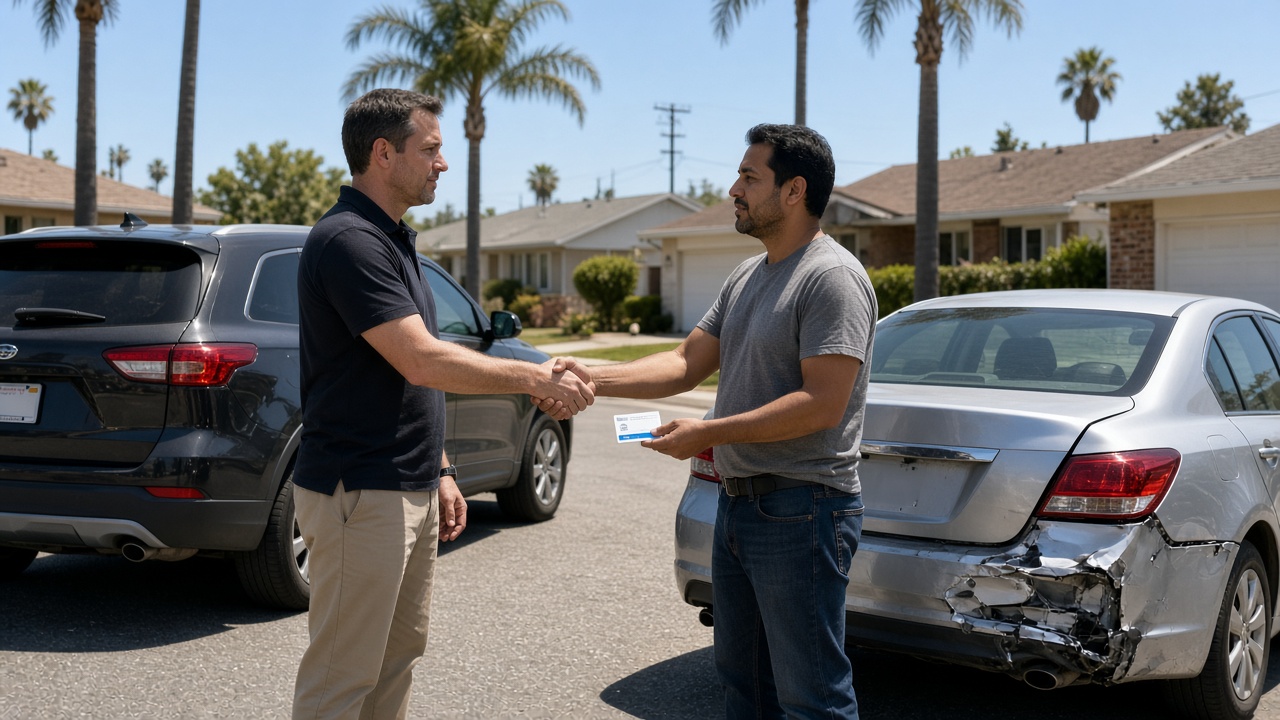

What to Do When Coverage Falls Short
If the at-fault driver’s policy cannot cover your losses, you are not necessarily out of options:
Sorting out every available source of recovery is one of the most valuable things an attorney does after a serious crash.
Know What Your Claim Is Really Worth
Because insurance limits and injuries vary so widely, it helps to understand a realistic value for your claim before you ever talk to an adjuster. Our free, anonymous AI Case Value Insight tool can give you an attorney-style snapshot in under a minute - a useful starting point, though never a substitute for a real case review.
California’s higher insurance minimums are a step forward, but they do not guarantee full compensation after a serious crash. If you have been injured by another driver, the team at Pogosyan Law offers a free, no-obligation consultation to help you find every source of recovery available to you.
Get a Free Consultation with Pogosyan Law
Car Accident Attorneys in Glendale
Try the AI Case Value Insight Tool
California Legislative Information - Senate Bill 1107
California Department of Insurance
Call (818) 243-3900 or email info@pogosyanlaw.com - Glendale, CA.
Disclaimer: This article is general information about California law, not legal advice, and does not create an attorney-client relationship. Laws change and every case is different - for guidance on your situation, consult a licensed attorney. Past results do not guarantee future outcomes.