What Is Insurance Bad Faith in Personal Injury Cases?

Understanding Fair Treatment in Insurance Claims
When individuals file a personal injury claim, they rely on insurance companies to handle the process fairly and in accordance with the law. Insurers are expected to evaluate claims honestly, communicate clearly, and provide compensation when coverage applies. However, when an insurance company fails to meet these obligations, it may be engaging in insurance bad faith. Understanding what bad faith means can help injured individuals recognize when their rights are being violated.
Defining Insurance Bad Faith
Insurance bad faith occurs when an insurer unreasonably denies, delays, or mishandles a valid claim. Under California law, insurance companies owe a duty of good faith and fair dealing to their policyholders. This means they must act reasonably, investigate claims thoroughly, and make decisions based on the facts and the terms of the policy. When this duty is breached, the insurer may be held legally responsible for the harm caused.
The Duty of Good Faith and Fair Dealing
Every insurance contract includes an implied obligation that the insurer will not act in a way that unfairly deprives the policyholder of the benefits of coverage. This duty requires insurers to process claims promptly, evaluate evidence objectively, and avoid placing their own financial interests above those of the insured. Violations of this duty form the basis of bad faith claims.

Common Examples of Bad Faith Conduct
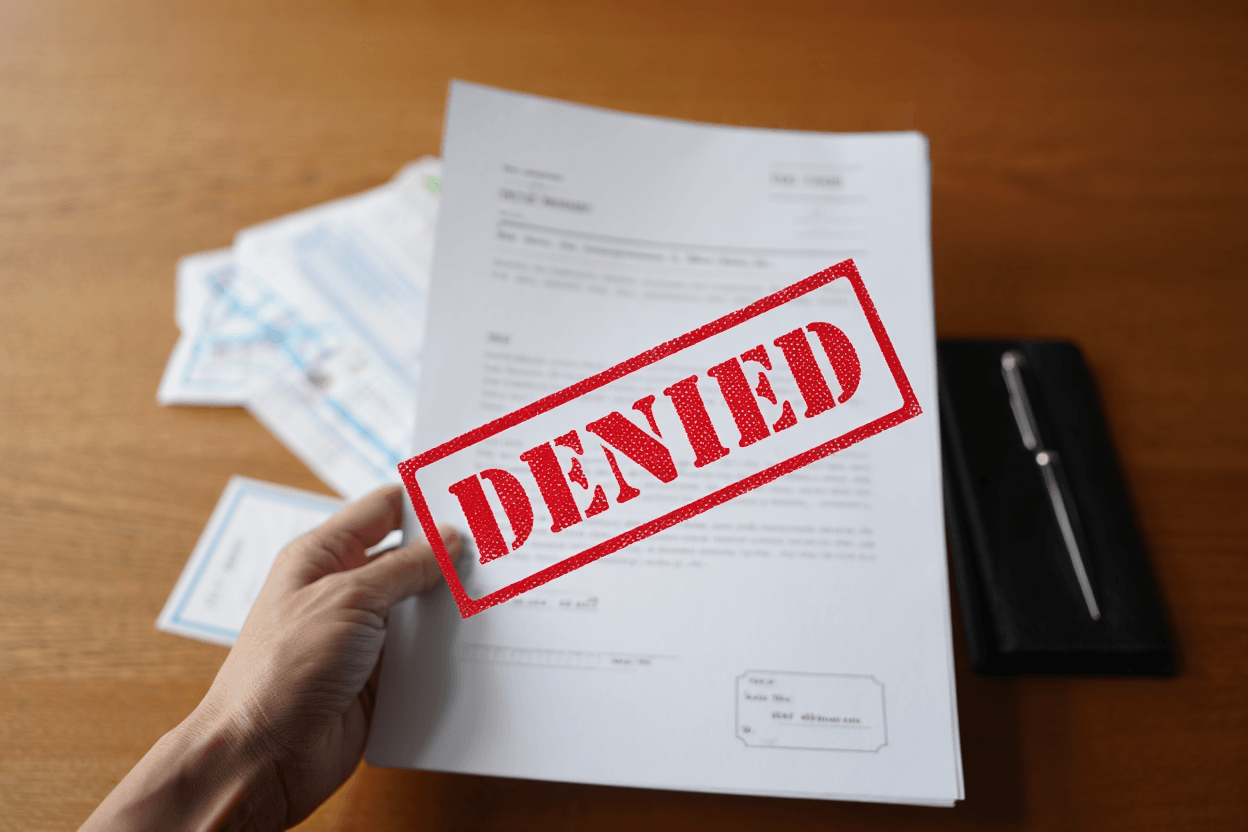
Bad faith can take many forms in personal injury cases. Insurers may deny valid claims without proper justification, delay investigations or payments, misinterpret policy language, or offer settlements that are significantly lower than the claim’s value. In some cases, they may fail to communicate important information or ignore evidence that supports the claim. These actions can create unnecessary obstacles for injured individuals seeking compensation.
How Bad Faith Impacts Personal Injury Claims
When an insurance company acts in bad faith, it can significantly affect the outcome of a personal injury case. Delays in payment may lead to financial strain, especially when medical expenses and lost income are involved. Unfair denials or low settlement offers can prevent injured individuals from receiving the compensation they need to recover fully. In some situations, bad faith conduct may force claimants to pursue legal action to enforce their rights.
Proving Insurance Bad Faith
To establish a bad faith claim, it is generally necessary to show that the insurer acted unreasonably and that its conduct caused harm. Evidence may include claim correspondence, internal communications, expert evaluations, and documentation of delays or improper denials. The strength of a bad faith case often depends on demonstrating that no reasonable insurer would have handled the claim in the same manner.


Potential Damages in Bad Faith Cases
If an insurer is found liable for bad faith, the injured party may be entitled to compensation beyond the original policy benefits. This can include additional financial losses caused by the insurer’s conduct, emotional distress, and, in some cases, punitive damages designed to discourage similar behavior in the future. These remedies reflect the seriousness of an insurer’s obligation to act fairly.
The Role of Legal Assistance
Insurance bad faith claims involve complex legal and factual issues. Legal guidance can help individuals determine whether an insurer’s actions were improper and identify the best course of action. An attorney can assist with gathering evidence, negotiating with the insurance company, and, if necessary, pursuing litigation to hold the insurer accountable.
Recognizing and Responding to Bad Faith
Insurance bad faith in personal injury cases occurs when insurers fail to uphold their duty to treat policyholders fairly. Recognizing the signs of improper conduct and understanding the available legal remedies can make a significant difference in the outcome of a claim. By acting promptly and seeking appropriate guidance, injured individuals can protect their rights and pursue the compensation they deserve.
Additional Resources
For more information, visit the California Department of Insurance, the Insurance Information Institute, and the Nolo’s Insurance Law resources.