Understanding California’s Comparative Negligence Rule and How It Affects Your Injury Claim
Why Comparative Negligence Matters
When an accident occurs, determining who is responsible is not always simple. In many personal injury cases, more than one party may share some degree of fault. California addresses this issue through a legal principle known as comparative negligence. Understanding how this rule works is important for anyone pursuing compensation after an accident because the amount a person can recover may depend on their percentage of responsibility.
What Comparative Negligence Means Under California Law
California follows a “pure comparative negligence” system. Under this rule, an injured person may still recover compensation even if they were partially responsible for the accident. However, the total amount of compensation is reduced by the percentage of fault assigned to them. This approach allows courts to allocate financial responsibility based on the actual conduct of everyone involved in the incident.
How Fault Is Determined in Injury Cases
Determining fault requires a careful review of the circumstances surrounding the accident. Evidence such as police reports, witness statements, photographs, medical documentation, and surveillance footage often plays an important role in evaluating each party’s actions. Insurance companies and courts analyze whether each individual involved acted with reasonable care under the circumstances and how their conduct contributed to the incident.


Examples of Comparative Negligence in Practice
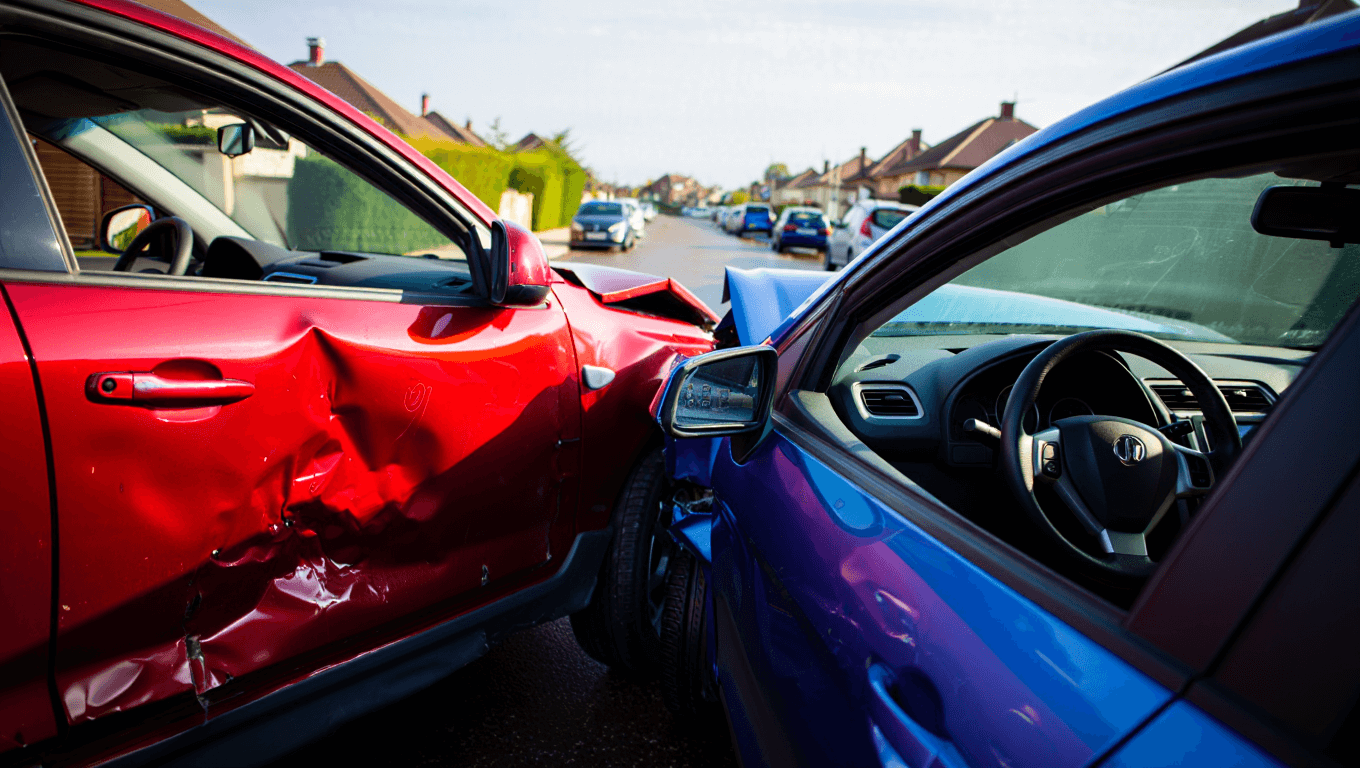
Comparative negligence can apply to many types of accidents, including car collisions, pedestrian incidents, and premises liability cases. For example, a driver who was speeding may still recover compensation if another driver ran a red light and caused the crash. In that situation, responsibility may be divided between the parties. Similarly, in a slip and fall case, a property owner may be held liable for failing to repair a hazard even if the injured person was not paying full attention to their surroundings.
How Comparative Negligence Affects Compensation
Because compensation is adjusted based on fault, even a small shift in liability percentages can significantly impact the final recovery. Insurance companies often attempt to increase the injured party’s share of responsibility in order to reduce the value of a claim. For this reason, presenting clear evidence and accurate documentation is critical when negotiating a settlement or presenting a case in court.
Evidence That Can Influence Fault Allocation
Various types of evidence may influence how fault is assigned. Accident scene documentation, vehicle damage patterns, expert analysis, and medical records can all help clarify how an incident occurred. In more complex cases, accident reconstruction specialists or other experts may be consulted to provide additional insight into the sequence of events and the actions of each party involved.


The Importance of Acting Promptly After an Accident
Evidence that supports an injury claim can disappear quickly. Surveillance footage may be erased, hazardous conditions may be repaired, and witness memories may fade over time. Prompt investigation and careful documentation can help ensure that the facts of the accident are preserved and accurately presented when determining comparative fault.
Protecting Your Rights Under California Law
California’s comparative negligence rule allows injured individuals to pursue compensation even when they share some responsibility for an accident. However, the percentage of fault assigned to each party can greatly influence the outcome of a claim. Understanding how this legal principle works and ensuring that evidence is properly documented can play an essential role in protecting the right to fair compensation.
Additional Resources
For more information, visit the California Courts Self-Help Guide, the California Department of Insurance, and Nolo’s Personal Injury Law resources.