Semi-Truck and Commercial Vehicle Accidents: Why These Cases Are Different
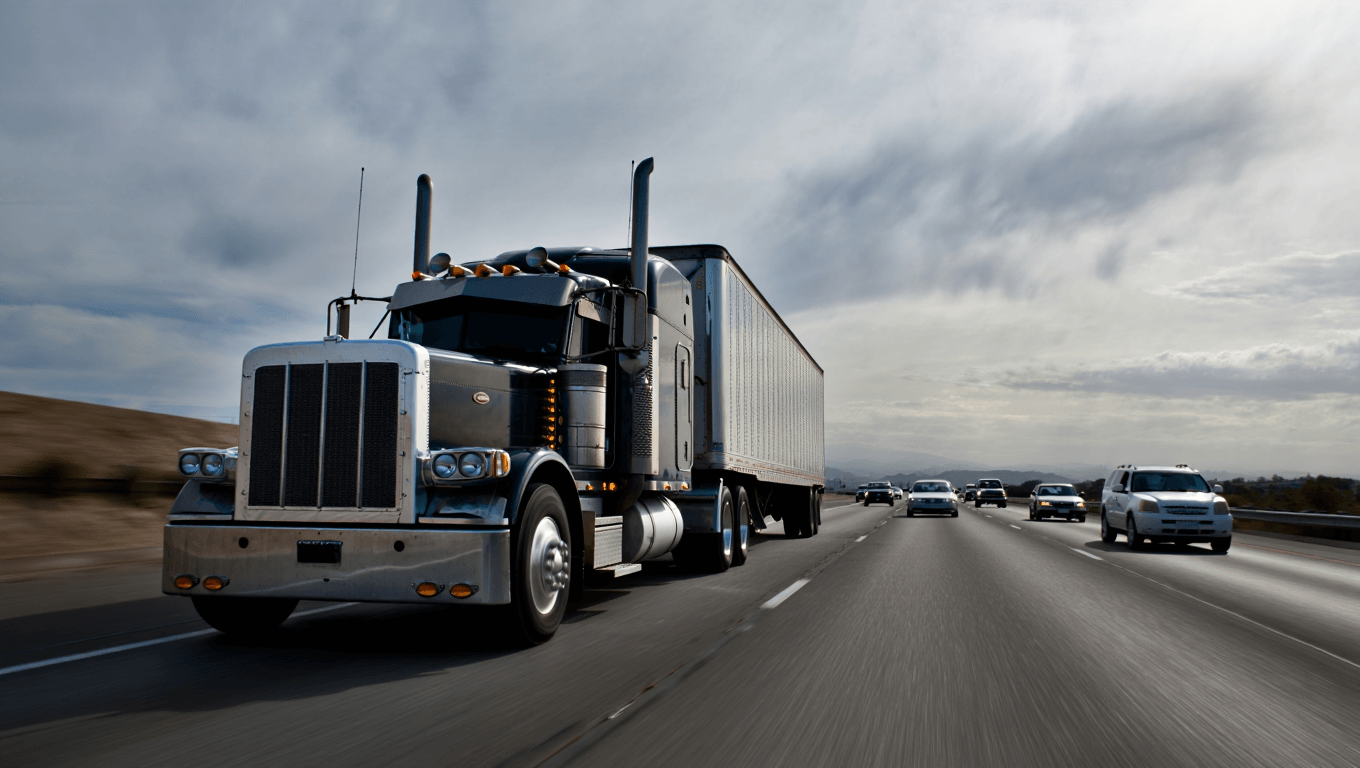
Commercial truck accidents are among the most devastating on California roads. According to NHTSA's risky driving data, large trucks are disproportionately involved in fatal multi-vehicle crashes - and when they are, the occupants of the smaller vehicle bear the worst consequences. These cases are also legally and procedurally far more complex than a standard car accident claim.
Why Truck Accident Cases Are More Complex
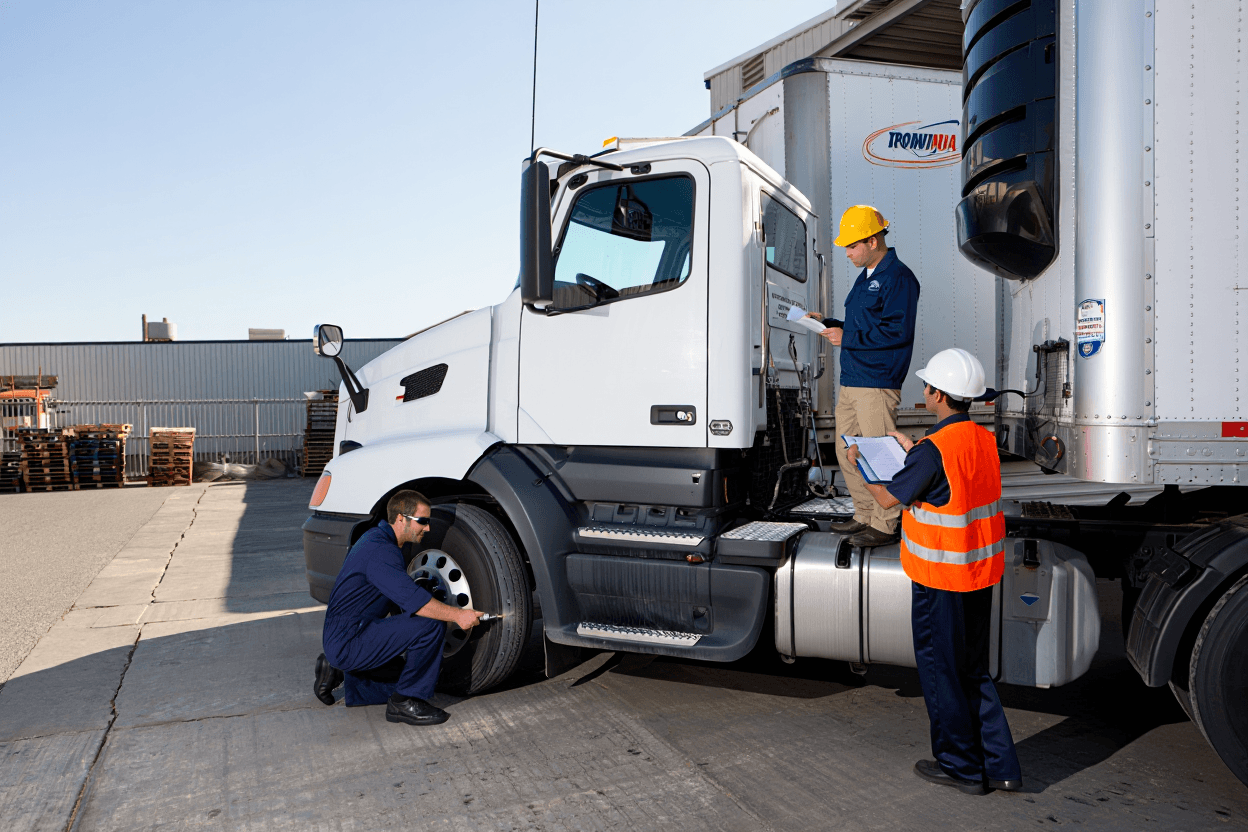
Unlike a two-car accident, a commercial truck crash can involve multiple liable parties and layers of state and federal regulation. Potential defendants include:
Federal motor carrier regulations are administered by the FMCSA (Federal Motor Carrier Safety Administration). FindLaw's car and truck accident overview explains how federal rules intersect with state personal injury law in California.Federal Hours of Service Rules and Driver Fatigue
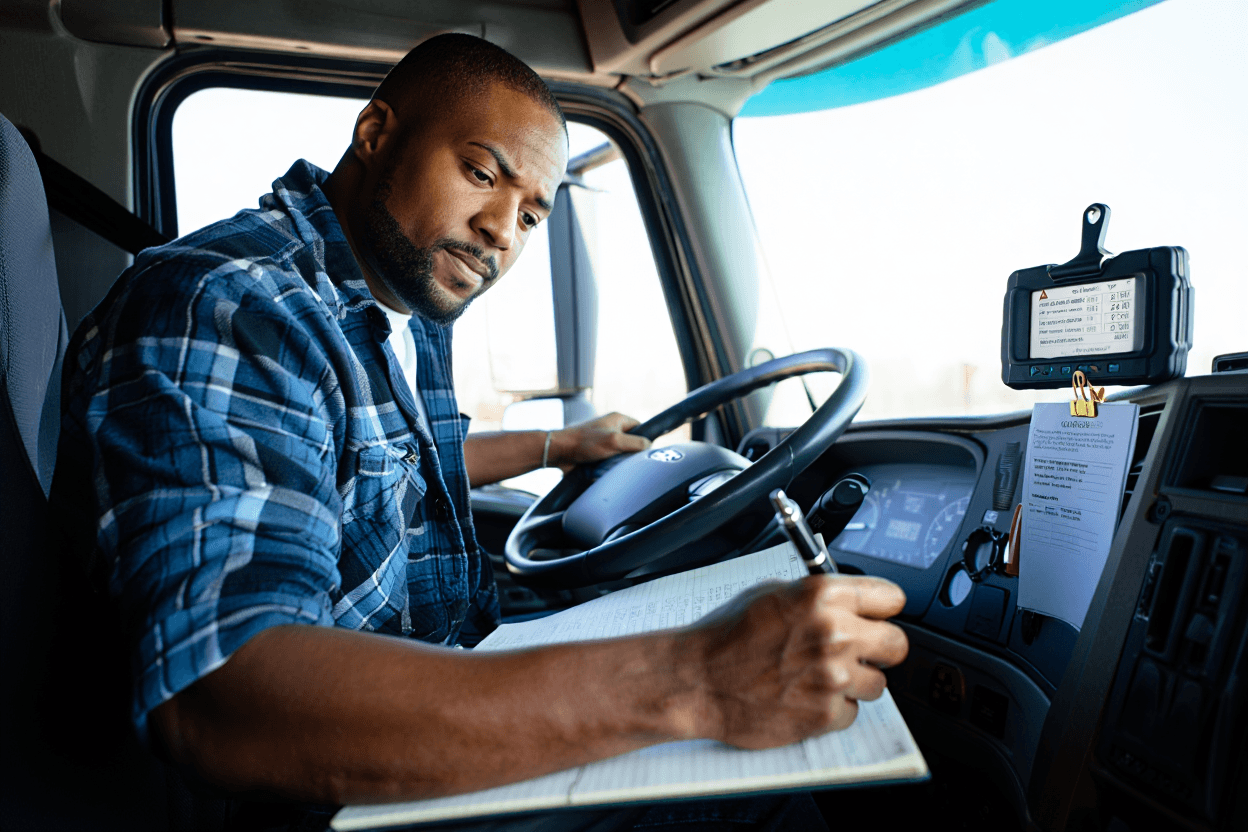
Federal Hours of Service (HOS) regulations strictly limit how long a commercial driver may drive without rest. Violations of these rules - often documented in digital ELD (Electronic Logging Device) records - are powerful evidence of negligence. Common violations include:
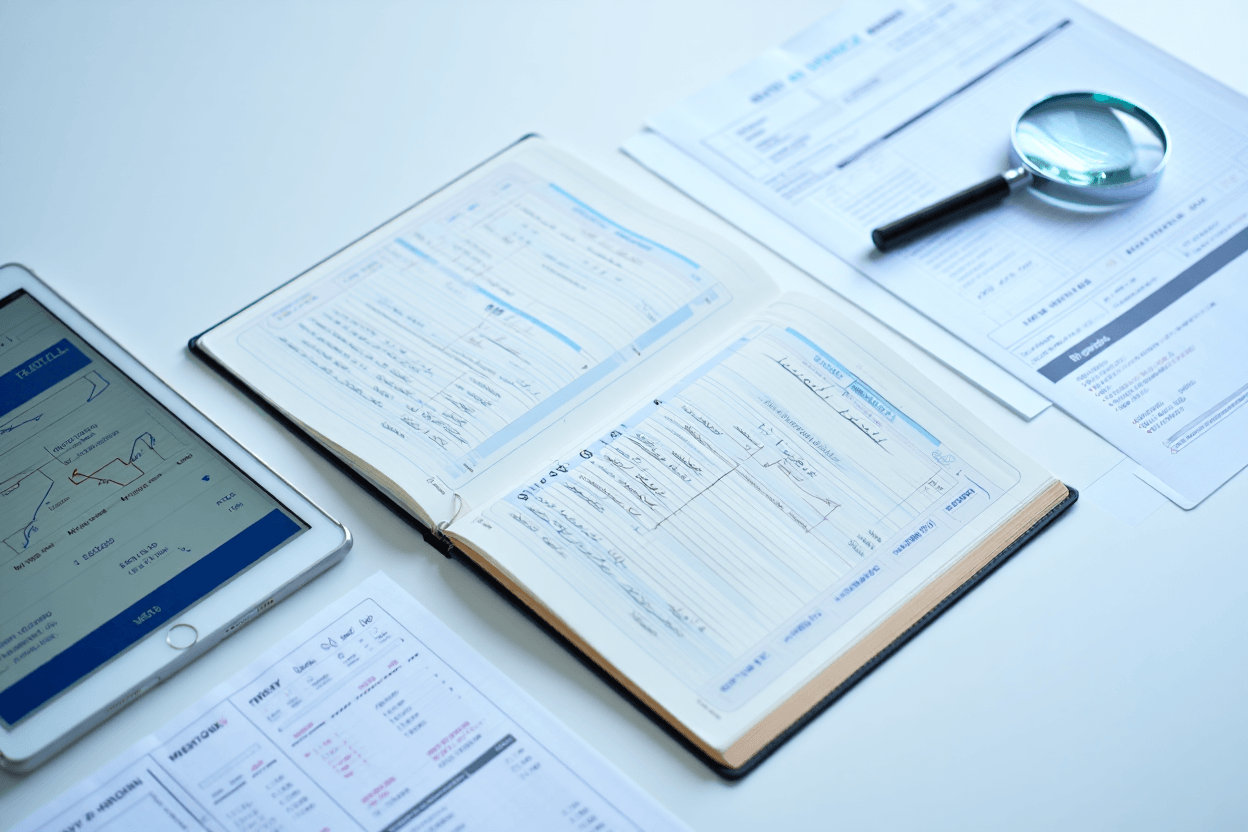
ELD data, dashcam footage, and black-box records are critical evidence in truck accident cases - but they must be preserved immediately through a legal hold letter. Delays allow carriers to legally destroy this data.Trucking Company Liability
Under a legal doctrine called 'respondeat superior,' trucking companies are typically liable for the negligent acts of their drivers while working. Companies may also be independently liable for:
Justia's injury resources at justia.com/injury cover employer liability doctrines applicable to California trucking cases.Types of Truck Crashes and Their Causes

Damages in Truck Accident Cases
Because truck accidents tend to cause catastrophic injuries, the damages recoverable are often much larger than in typical car accident cases. California allows recovery for:
Learn more about catastrophic injury claims on our catastrophic injuries page. For insurance tactics you should be aware of after a truck crash, read our blog on why insurance companies delay personal injury claims and seven signs your insurance company is acting unfairly.At Pogosyan Law Firm , we have the resources and litigation experience to take on large trucking carriers and their insurers. Visit our truck accident page or call (818) 243-3900 today.