Rear-End Collisions: Who Is Really at Fault?
Understanding Liability in Rear-End Accidents
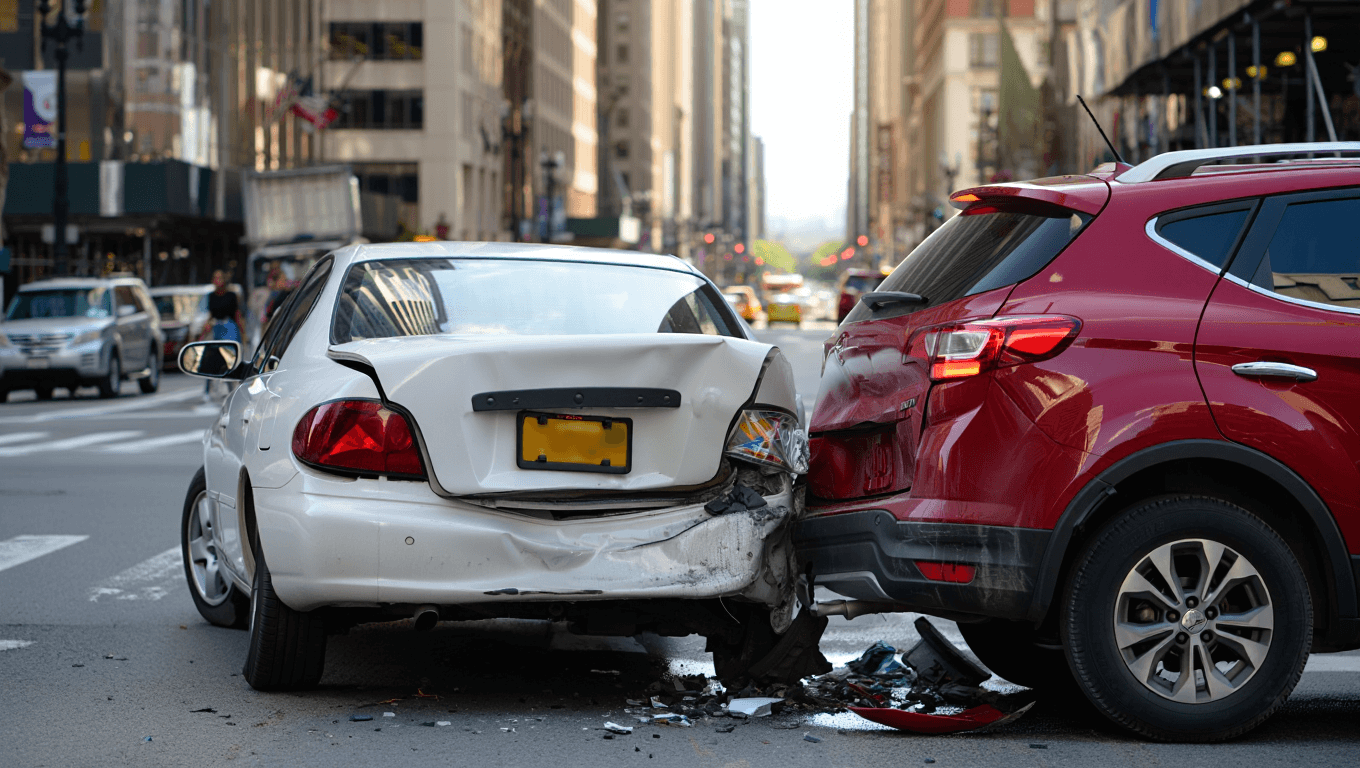
Rear-end collisions are among the most common types of car accidents on California roads. These crashes frequently occur in heavy traffic, at intersections, and during sudden slowdowns on freeways. While many people assume that the driver in the rear vehicle is automatically at fault, liability is not always as straightforward as it may seem. Determining who is truly responsible requires a careful analysis of the circumstances surrounding the collision.
The Presumption of Fault in Rear-End Crashes
In most rear-end accidents, the trailing driver is presumed to be at fault because drivers are expected to maintain a safe following distance and remain attentive to traffic conditions. Failing to brake in time often suggests distracted driving, speeding, or following too closely. Under California law, drivers have a duty to operate their vehicles with reasonable care, and violating this duty can establish negligence.
Situations Where the Lead Driver May Share Responsibility
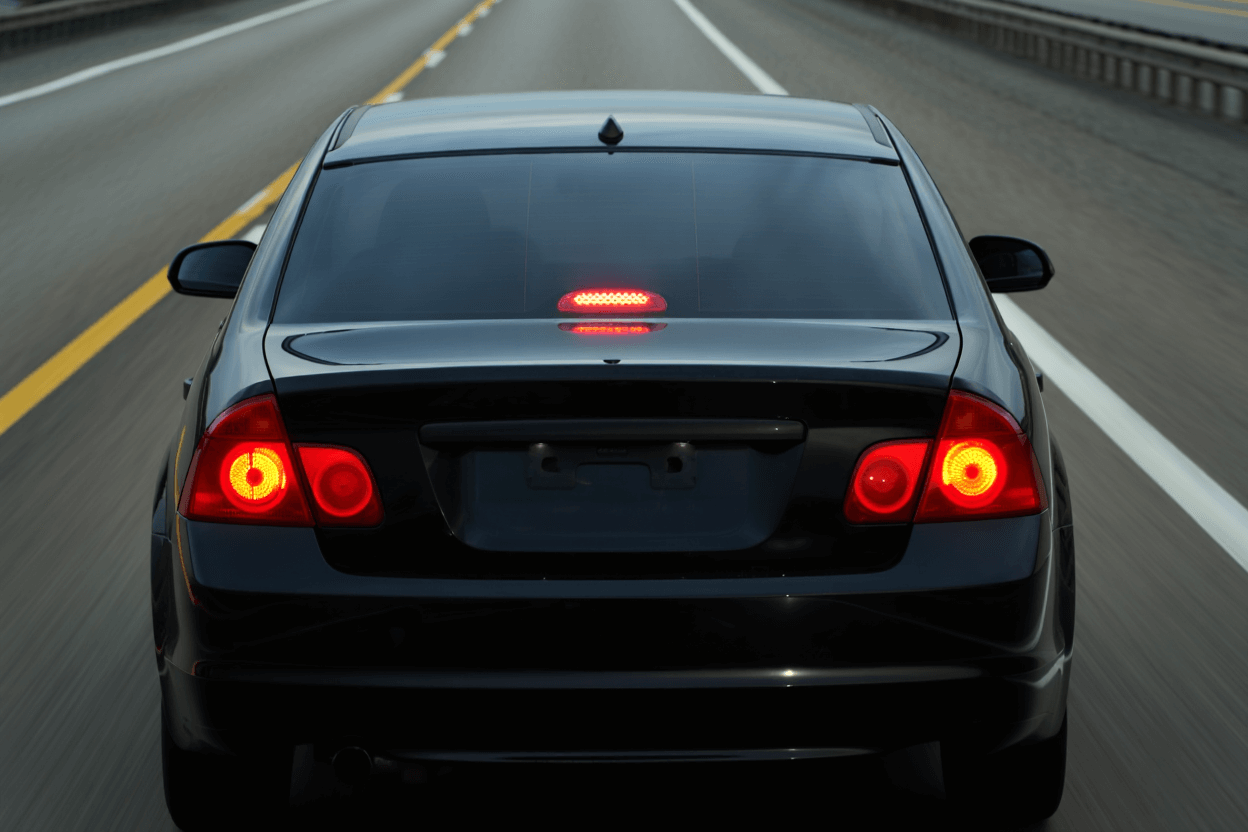
Although the rear driver is often found liable, there are situations where the lead driver may share partial responsibility. Sudden and unnecessary braking, malfunctioning brake lights, or reversing unexpectedly can contribute to a collision. In such cases, California’s comparative fault system may apply, meaning that liability can be divided between the parties based on their respective contributions to the accident.
Multi-Vehicle Chain Reaction Accidents
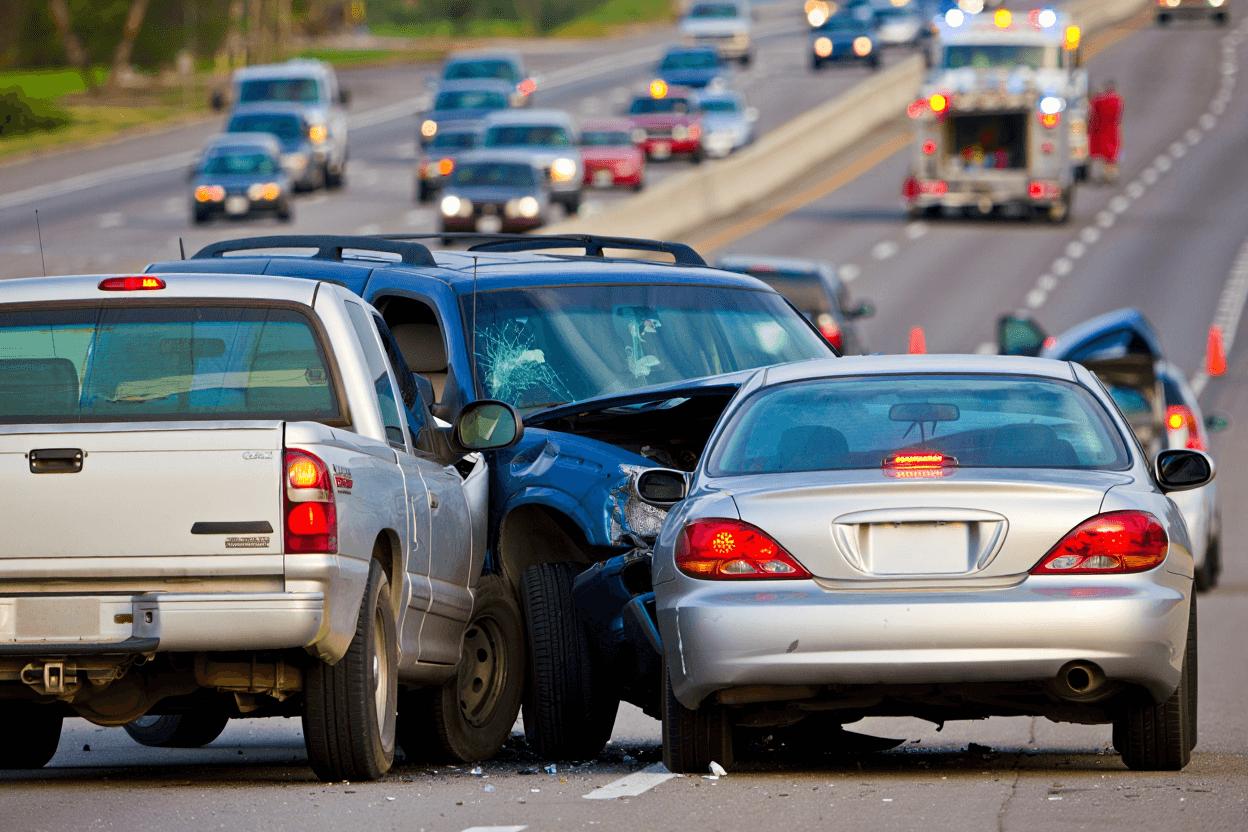
Rear-end collisions frequently involve more than two vehicles, particularly in congested freeway traffic. In chain reaction accidents, determining fault becomes more complex. Liability may depend on which driver initiated the first impact and whether subsequent drivers had a reasonable opportunity to avoid additional collisions. Each driver’s actions must be carefully evaluated to establish responsibility.
Common Injuries in Rear-End Accidents
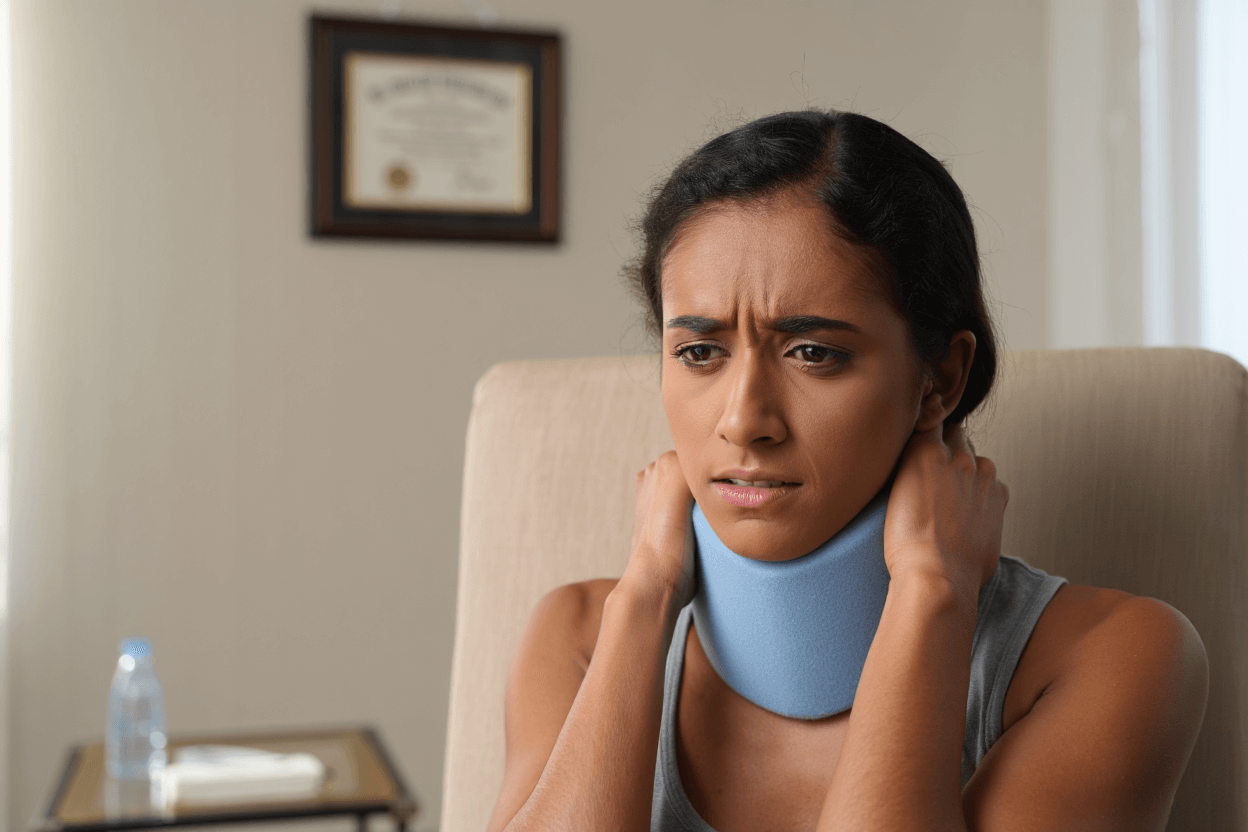
Even low-speed rear-end crashes can cause significant injuries. Whiplash, soft tissue damage, herniated discs, and traumatic brain injuries are common outcomes. Insurance companies sometimes attempt to minimize these injuries by arguing that the impact was minor. However, medical documentation often reveals that symptoms can worsen over time, particularly in neck and spinal injury cases.
Proving Fault and Damages
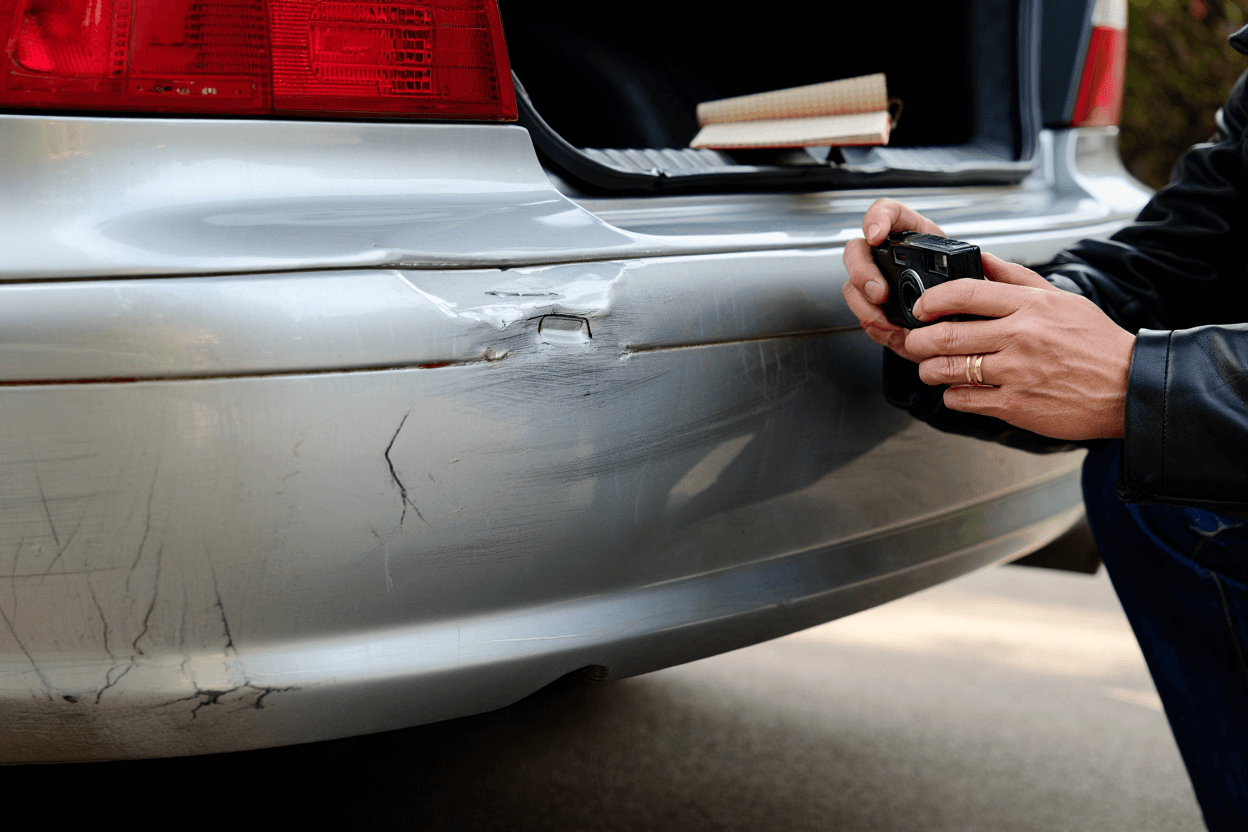
Establishing fault in a rear-end collision may involve reviewing police reports, witness statements, vehicle damage patterns, traffic camera footage, and medical records. In disputed cases, accident reconstruction experts may be consulted to analyze speed, braking distance, and impact dynamics. Thorough documentation is critical to demonstrating both liability and the full extent of damages.
Insurance Company Tactics in Rear-End Claims
Insurance carriers may attempt to argue shared fault, dispute the severity of injuries, or question the necessity of medical treatment. In some cases, they may suggest that injuries were pre-existing rather than caused by the crash. Because of these tactics, injured individuals must approach settlement discussions carefully to ensure that compensation reflects the true impact of the accident.
Determining Who Is Really at Fault
While rear-end collisions often result in liability for the trailing driver, fault is not automatically assigned in every case. Factors such as sudden stops, mechanical failures, and multi-vehicle dynamics can influence responsibility. Understanding how liability is determined under California law can help injured drivers protect their rights and pursue fair compensation after a collision.
Additional Resources
For more information, visit the California Office of Traffic Safety, the California Courts Self-Help Guide, and National Highway Traffic Safety Administration.