Pedestrian Accidents: Why Victims Are Often Owed More Than They Realize
The Hidden Impact of Pedestrian Accidents
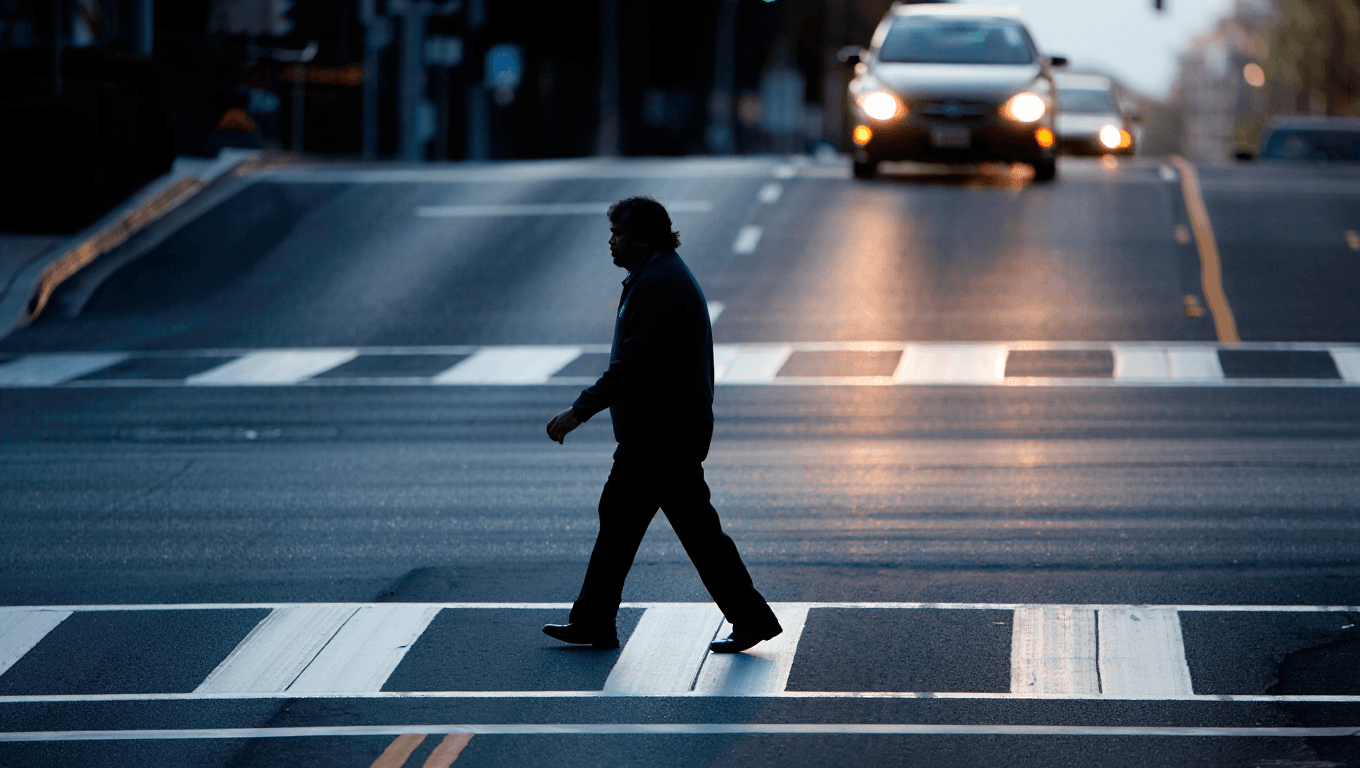
Pedestrian accidents frequently result in serious, life-altering injuries. Without the protection of a vehicle, even a low-speed collision can cause significant harm. While many victims focus on immediate medical bills, the full impact of a pedestrian accident often extends far beyond initial treatment. As a result, injured individuals may be entitled to more compensation than they initially realize.
The True Cost of Medical Treatment
Medical expenses after a pedestrian accident are often more extensive than expected. Beyond emergency care, victims may require surgeries, physical therapy, rehabilitation, and ongoing medical support. Future treatment needs can significantly increase the value of a claim, especially in cases involving long-term or permanent injuries.
Lost Income and Reduced Earning Capacity
Injuries sustained in pedestrian accidents can prevent individuals from returning to work, either temporarily or permanently. Compensation may include not only lost wages during recovery but also reduced earning capacity if the injury affects future employment opportunities. These long-term financial losses are often underestimated in early settlement discussions.


Pain, Suffering, and Emotional Distress
Non-economic damages are a critical component of many pedestrian accident claims. Victims may experience ongoing physical pain, emotional distress, anxiety, or a reduced quality of life. These effects are not always immediately visible but can have a lasting impact that deserves consideration in any claim.
Long-Term and Permanent Disabilities
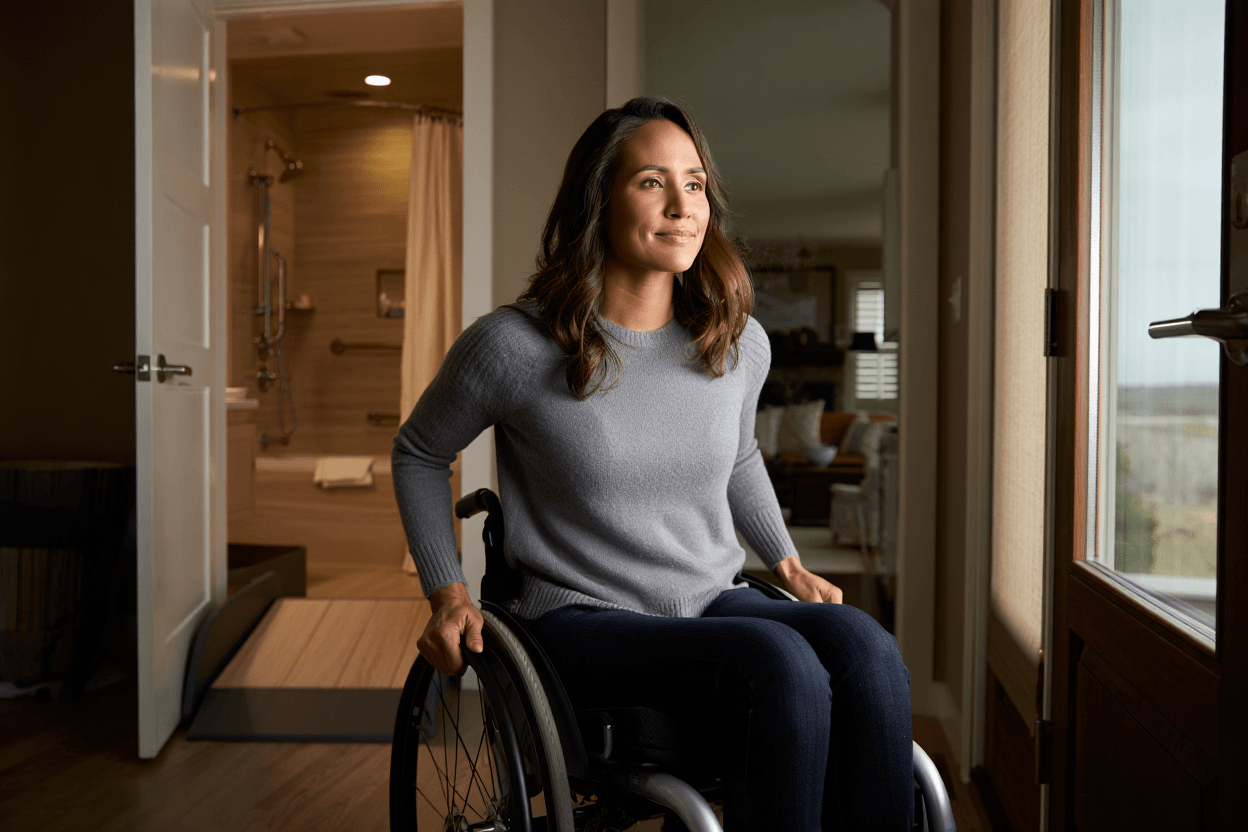
Serious pedestrian accidents can result in permanent disabilities, such as mobility impairments or neurological damage. These conditions may require lifelong care, home modifications, or assistive devices. The long-term costs associated with these needs can substantially increase the overall value of a claim.
The Role of Comparative Negligence
California follows a comparative negligence system, meaning compensation can be reduced if the pedestrian is found partially at fault. However, even if some responsibility is assigned to the pedestrian, they may still recover damages. Understanding how fault is evaluated is essential to ensuring that compensation is not unfairly reduced.
Insurance Companies and Undervaluation of Claims
Insurance companies often attempt to settle claims quickly and for less than their full value. Early offers may focus only on immediate expenses and overlook long-term consequences. Without a complete understanding of the damages involved, victims may accept settlements that do not fully address their needs.


The Importance of Thorough Documentation
Accurately documenting injuries, medical treatment, and financial losses is critical to maximizing compensation. Medical records, expert evaluations, and evidence of how the injury affects daily life can all support a more complete claim. Proper documentation helps ensure that both current and future damages are considered.
Legal Guidance and Claim Evaluation
Evaluating the true value of a pedestrian accident claim can be complex. Legal guidance can help identify all potential damages, gather supporting evidence, and negotiate with insurance companies. An experienced approach ensures that no aspect of the claim is overlooked.
Understanding the Full Value of Your Claim
Pedestrian accident victims are often entitled to more compensation than they initially expect. By considering long-term medical needs, financial losses, and the overall impact on quality of life, individuals can better understand the true value of their claim. Taking a careful and informed approach can help ensure fair compensation under California law.
Additional Resources
For more information, visit the California Office of Traffic Safety, and the California Department of Public Health, and National Highway Traffic Safety Administration.