Motorcycle Accidents in California: Laws, Rights, and How to Protect Your Claim

California leads the nation in registered motorcycles, and unfortunately also ranks near the top in motorcycle fatalities. If you've been injured in a motorcycle crash, the road to recovery - both physical and legal - looks very different from a typical car accident case.
According to the National Highway Traffic Safety Administration (NHTSA), motorcyclists are roughly 24 times more likely to die in a crash than passenger car occupants per mile traveled. Understanding your rights under California law is not just helpful - it's essential.
California's Lane-Splitting Law
California is the only U.S. state that expressly permits lane splitting - riding a motorcycle between lanes of slow or stopped traffic. Under California Vehicle Code Section 21658.1, the California Highway Patrol (CHP) has issued guidelines stating that lane splitting is legal when done safely and prudently.
If you were lane splitting at the time of your accident, the insurance company will likely argue you were at fault. That is not automatically true. California's comparative fault rules mean you can still recover even if partially at fault.
For a broader overview of motorcycle accident claims, FindLaw's motorcycle accidents guide provides helpful national context alongside California-specific rules.
Common Causes of Motorcycle Crashes in California

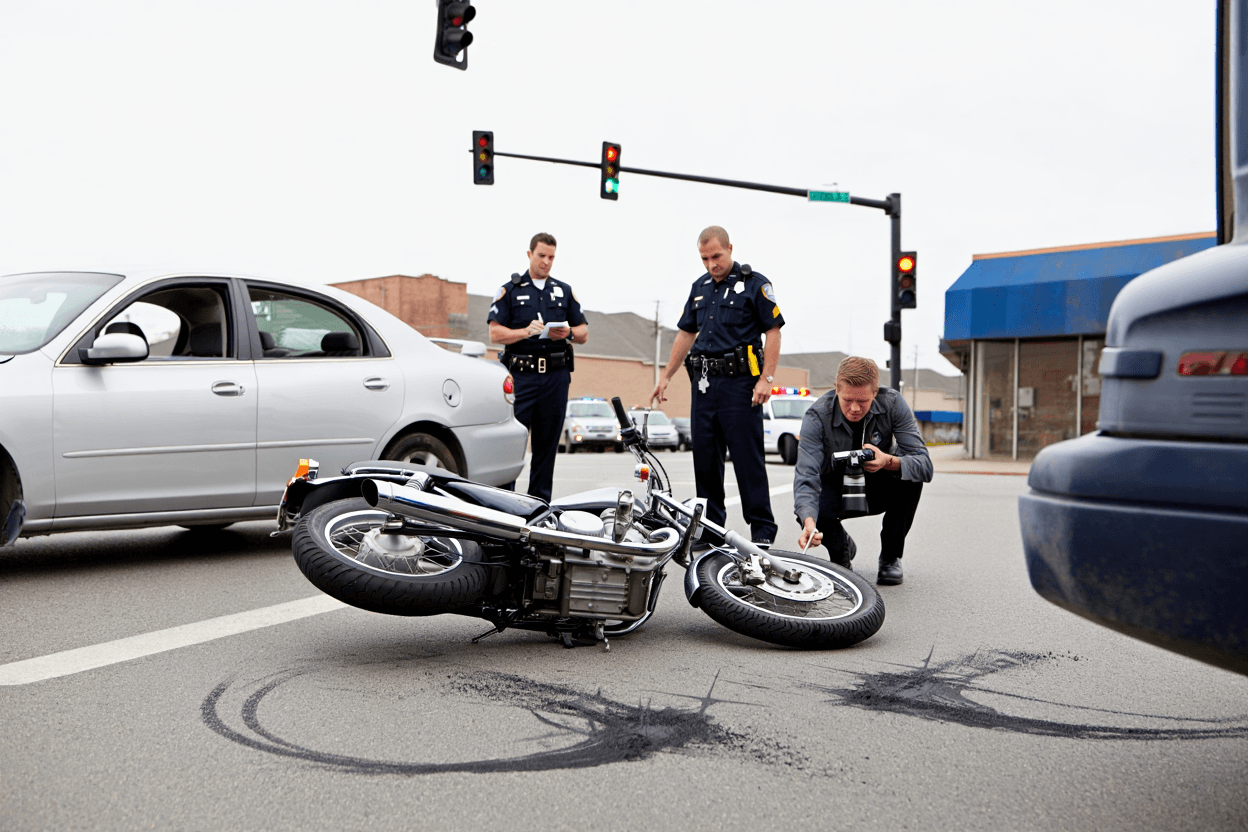
Helmet Laws and Their Impact on Your Claim
California requires all motorcycle riders and passengers to wear a helmet that meets U.S. Department of Transportation (DOT) standards. Riding without a helmet doesn't bar you from filing a claim, but it can reduce your compensation if it's shown the injury would have been less severe with a helmet. This is another area where an experienced attorney makes a critical difference.
What to Do Immediately After a Motorcycle Crash
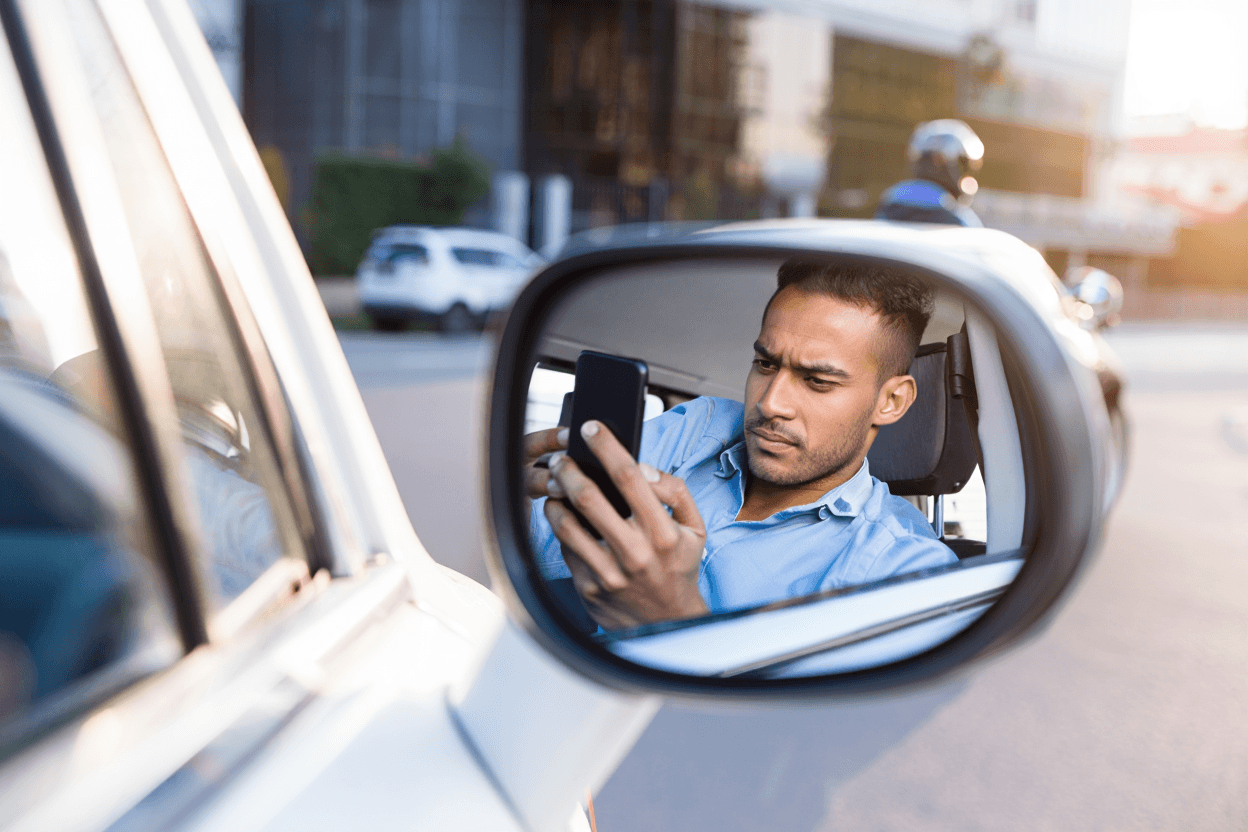
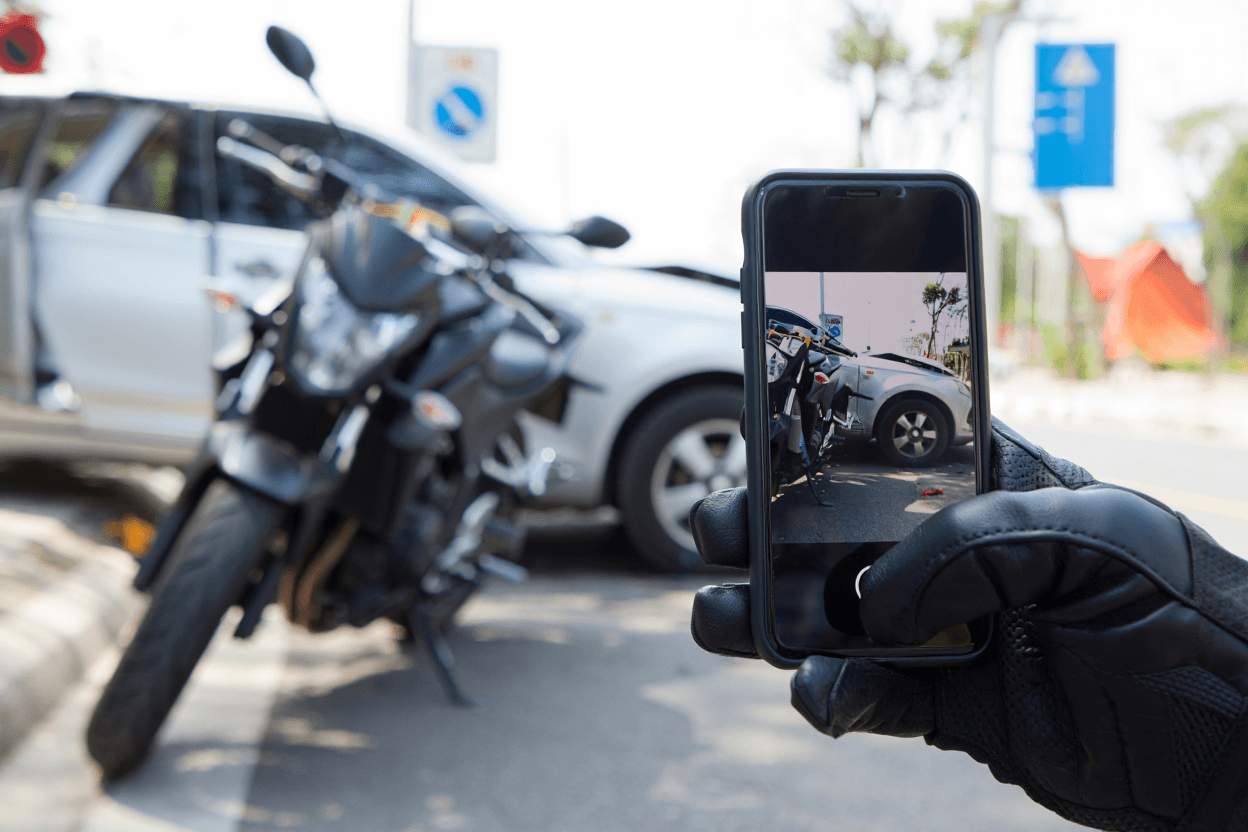
Damages Available to Injured Motorcyclists
Motorcycle crash injuries are often catastrophic - road rash, broken bones, traumatic brain injuries, and spinal cord damage are common. Recoverable damages in California include:
For deeper reading on catastrophic injury claims, visit Nolo's personal injury overview and our own catastrophic injuries page.Why Motorcycle Claims Are Treated Differently
Bias against motorcyclists is a real phenomenon in injury litigation. Insurance adjusters and juries sometimes assume the rider was at fault, reckless, or unprotected by choice. Counteracting this bias requires a skilled attorney who can build a compelling, evidence- based narrative from day one.
Review our existing blog on common mistakes that hurt your personal injury claim - several apply directly to motorcycle cases. For a free consultation, contact Pogosyan Law Firm at (818) 243-3900.