Low Settlement Offers: What They Really Mean

The Role of Insurance Adjusters
After a personal injury claim is filed, one of the first people involved in evaluating the case is the insurance adjuster. Adjusters work on behalf of insurance companies to investigate claims, determine liability, and estimate the value of damages. While they play a key role in resolving claims, their primary objective is to protect the insurer’s financial interests. Understanding how adjusters evaluate injury claims can help you better navigate the process.
Initial Claim Review and Case Assessment
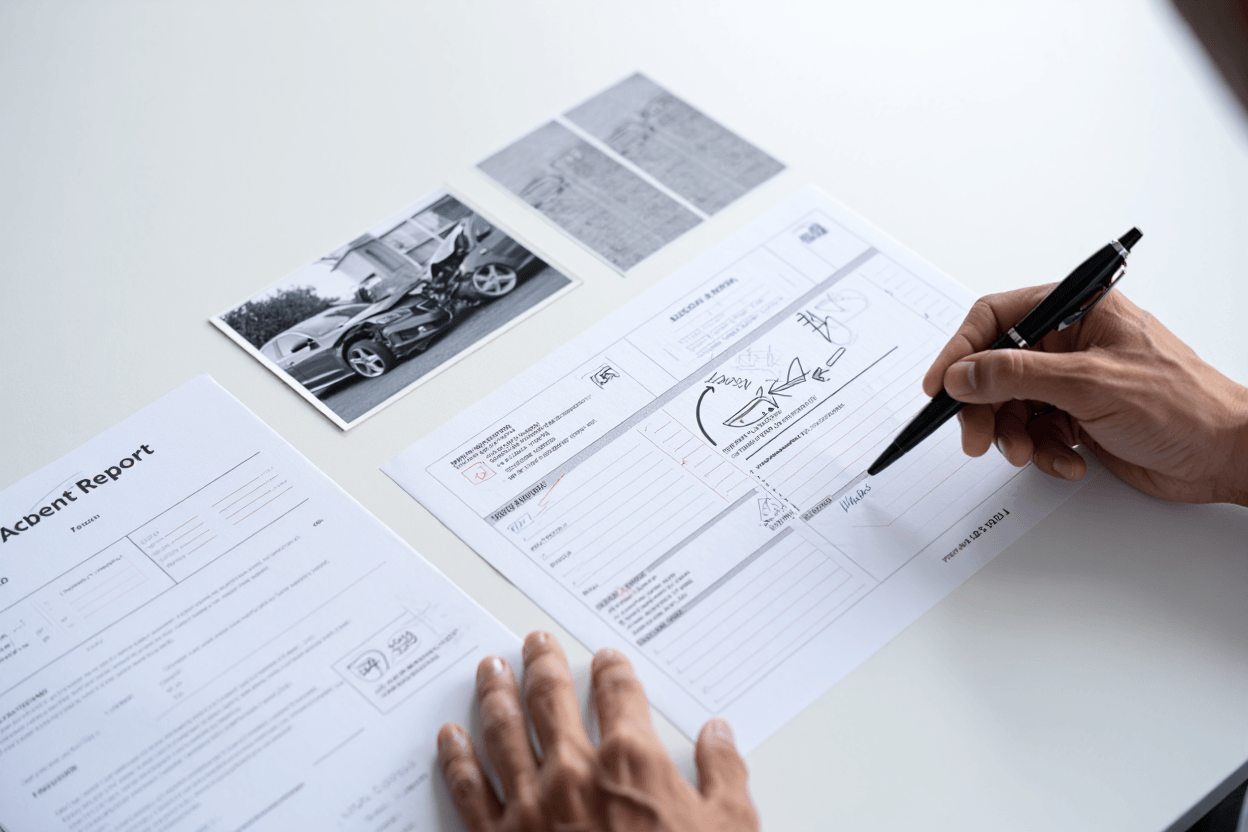
The evaluation process typically begins with a review of the claim details. Adjusters examine accident reports, insurance policies, and initial statements to understand what happened and whether the claim falls within coverage. Early impressions formed during this stage can influence how the claim is handled moving forward.
Determining Liability and Fault
One of the most important aspects of a claim evaluation is determining who is at fault. Adjusters analyze evidence such as police reports, witness statements, photographs, and any available video footage. In California, where comparative negligence rules apply, adjusters may assign a percentage of fault to each party, which directly impacts the amount of compensation available.

Reviewing Medical Records and Treatment
Medical documentation is central to any personal injury claim. Adjusters review records, bills, and treatment plans to assess the severity of injuries and the necessity of care. They may look for gaps in treatment, pre-existing conditions, or inconsistencies in medical reports that could reduce the value of the claim.
Calculating Economic Damages
Economic damages include measurable financial losses such as medical expenses, rehabilitation costs, and lost income. Adjusters review bills, employment records, and other financial documents to calculate these amounts. Future expenses, such as ongoing medical care or reduced earning capacity, may also be considered in more serious cases.
Evaluating Non-Economic Damages
Non-economic damages, such as pain and suffering or emotional distress, are more subjective. Adjusters often use internal formulas or guidelines to estimate these damages, sometimes applying a multiplier to medical costs. These calculations can vary widely and may not fully reflect the true impact of the injury on the individual’s life.
Use of Software and Internal Guidelines
Many insurance companies rely on specialized software and internal policies to evaluate claims. These tools help standardize the process but may also limit flexibility in assessing unique circumstances. As a result, settlement offers generated through these systems may not always align with the actual value of a claim.


Factors That May Reduce Claim Value
Adjusters may identify factors that could lower the value of a claim. These can include shared fault, delayed medical treatment, lack of supporting evidence, or statements made by the claimant that can be interpreted against their interests. Even social media activity may be reviewed to challenge the extent of injuries.
Settlement Offers and Negotiation
Once the evaluation is complete, the adjuster typically makes a settlement offer. Initial offers are often lower than the claim’s potential value, leaving room for negotiation. The negotiation process may involve presenting additional evidence, clarifying damages, and challenging the adjuster’s conclusions.
The Importance of Being Prepared
Understanding how adjusters evaluate claims can help you present stronger evidence and avoid common pitfalls. Keeping detailed records, following medical advice, and being cautious in communications with the insurance company can improve the outcome of your claim.
Navigating the Claims Evaluation Process
Insurance adjusters play a central role in determining the outcome of personal injury claims, but their evaluation is not always final or fully aligned with your interests. By understanding their methods and approach, you can better protect your rights and pursue fair compensation. Taking a proactive and informed approach can make a meaningful difference in the claims process.
Additional Resources
For more information, visit the California Department of Insurance, the Insurance Information Institute, and the Nolo’s Personal Injury resources.