How Insurance Companies Try to Reduce Injury Settlements
Understanding the Insurance Company’s Role
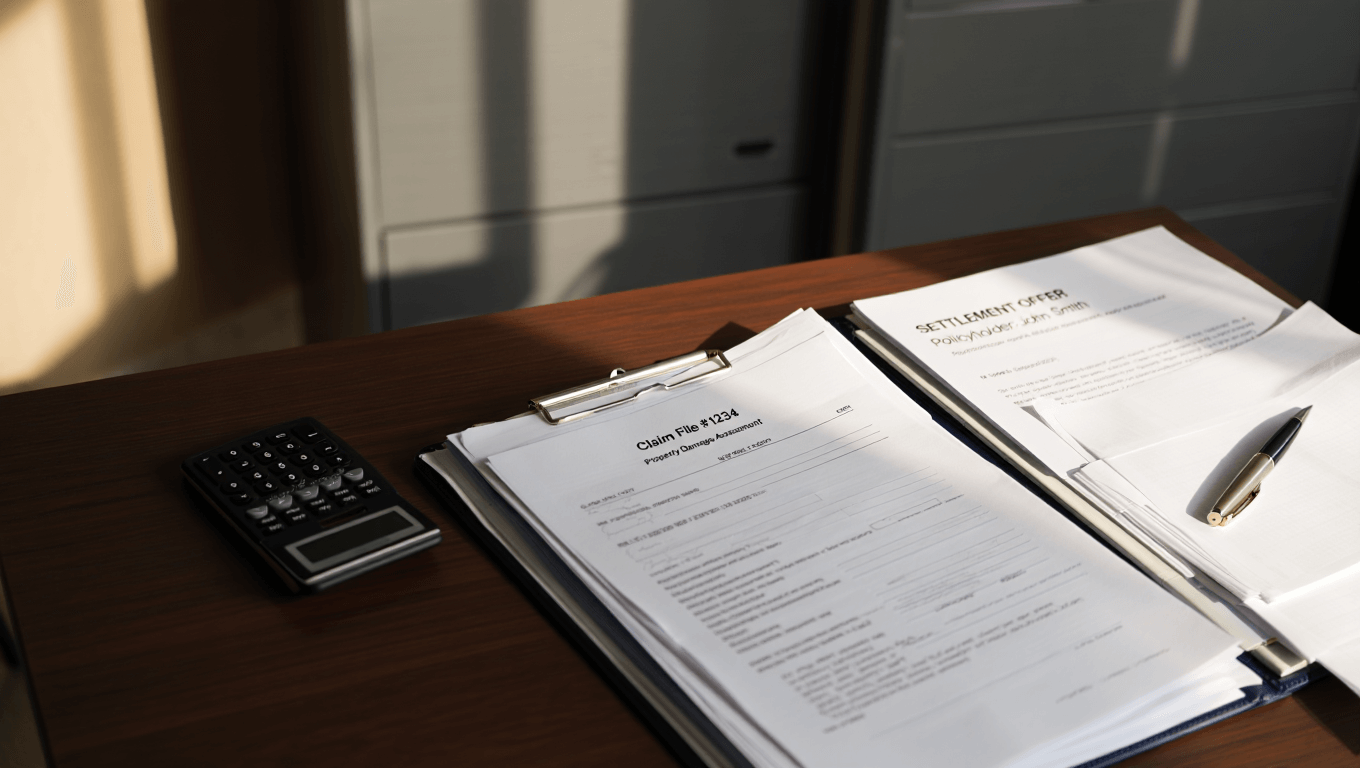
After a serious accident, injured individuals often expect insurance companies to fairly evaluate their claims and provide reasonable compensation. However, insurance companies are for-profit businesses whose primary goal is to limit financial exposure. Understanding how insurers attempt to reduce injury settlements can help accident victims better protect their rights and avoid costly mistakes.
Early Settlement Offers Before Full Evaluation
One of the most common tactics used by insurance companies is offering a quick settlement shortly after an accident occurs. At this early stage, the full extent of injuries may not yet be known. Some injuries, particularly soft tissue damage, traumatic brain injuries, or spinal conditions, may worsen over time. By resolving a claim quickly, insurers aim to close the case before long-term medical costs and future damages are fully documented. Once a settlement is accepted, additional compensation is typically barred.
Disputing the Severity of Injuries
Insurance adjusters frequently challenge the seriousness of reported injuries. They may argue that medical treatment was unnecessary, excessive, or unrelated to the accident. In some cases, insurers claim that injuries were pre-existing conditions rather than the result of the collision. These arguments are designed to reduce the perceived value of the claim and limit payout amounts.


Shifting or Increasing Comparative Fault
California follows a comparative fault system, which allows compensation to be reduced based on the injured party’s percentage of responsibility. Insurance companies often attempt to shift partial blame onto the claimant to lower settlement value. Even a modest increase in assigned fault can significantly decrease total compensation. This tactic is particularly common in multi-vehicle collisions, pedestrian accidents, and intersection crashes.
Requesting Recorded Statements to Limit Claims
Shortly after an accident, insurers may request a recorded statement from the injured party. While presented as routine, these statements can later be used to highlight inconsistencies or minimize injury claims. Casual remarks about feeling “fine” or underestimating pain in the immediate aftermath of an accident may be cited as evidence that injuries were not serious.
Delaying the Claims Process
Another strategy involves prolonging the investigation and delaying communication. Extended delays can create financial pressure on injured individuals who are facing mounting medical bills and lost income. In some cases, this pressure encourages claimants to accept lower settlement offers simply to resolve the matter quickly.

Minimizing Non-Economic Damages
Insurance companies often attempt to limit compensation for non-economic damages such as pain and suffering, emotional distress, or loss of enjoyment of life. Because these damages are less tangible than medical bills or wage loss, insurers may argue that the impact of the injury has been overstated.
The Importance of Documentation and Legal Guidance
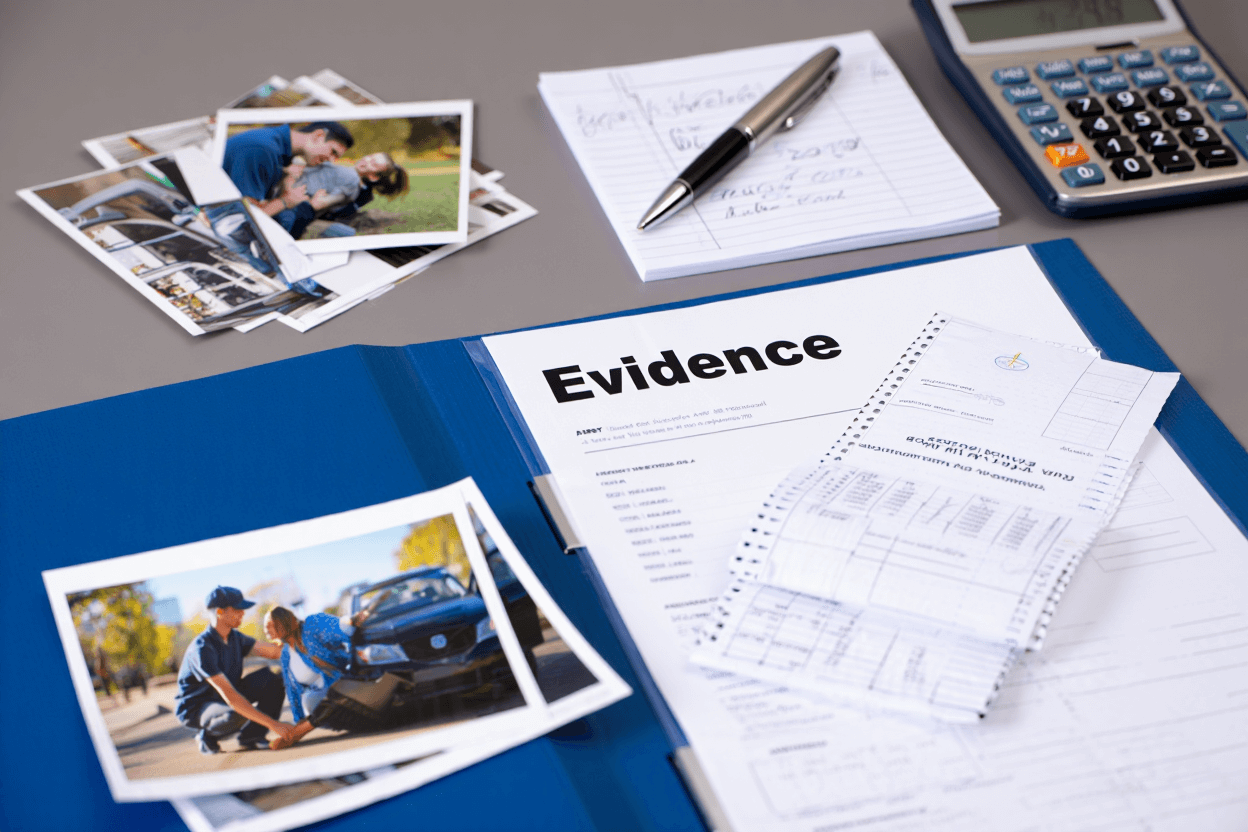
Strong documentation is essential in countering insurance tactics. Medical records, expert evaluations, wage verification, and accident evidence all play a critical role in establishing the true value of a claim. Legal guidance can help ensure that communications with insurers are handled carefully, deadlines are met, and settlement offers are evaluated in light of both current and future losses.
Protecting Your Right to Fair Compensation
Insurance companies play a central role in resolving personal injury claims, but their financial interests do not always align with those of injured individuals. Understanding common settlement-reduction tactics can help accident victims approach the claims process with greater awareness. Taking prompt action, preserving evidence, and seeking informed legal advice can significantly improve the likelihood of receiving fair and full compensation.
Additional Resources
For more information, visit the California Department of Insurance, the Insurance Information Institute, and the Nolo’s Personal Injury Settlement Guide.